


 English
  عربى
عربى  中文简体
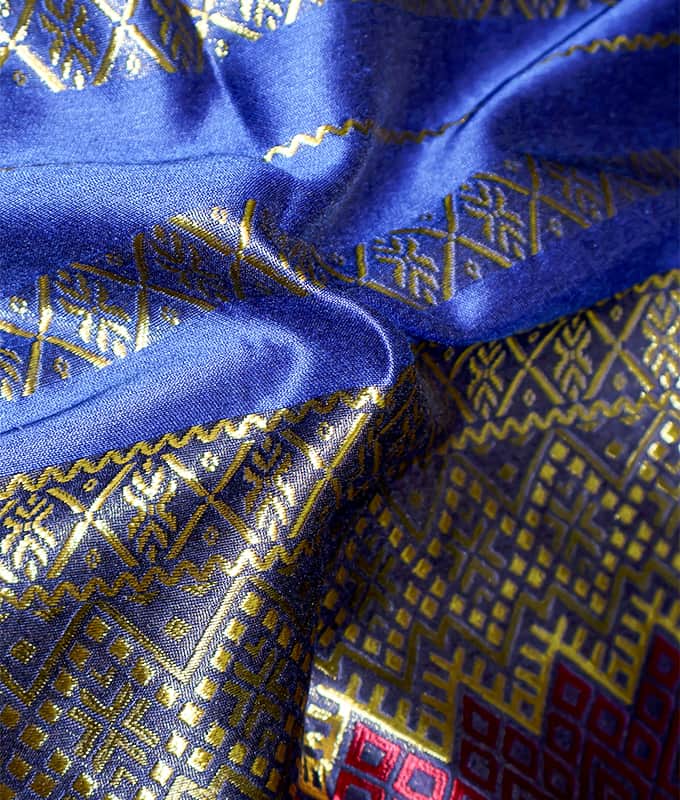
中文简体 100% Polyester Jacquard Pattern Colorful Southeast Asian Sarong Fabric – durable, vibrant, and easy to care for, designed to bring both beauty and pra...
See Details100% Cotton Plaid Southeast Asia Sarong Fabric: Buyer’s Guide
Industry News-Content
- 1 Best choice, in one line
- 2 What “100% cotton plaid sarong fabric” should mean in practice
- 3 Choosing the right GSM for Southeast Asia sarong use-cases
- 4 Plaid quality: yarn-dyed vs printed checks
- 5 Simple at-home tests before committing to bulk
- 6 Sizing and cutting: getting the most from your fabric width
- 7 Care and longevity in humid climates
- 8 What to request from suppliers to reduce risk
- 9 Conclusion
Best choice, in one line
For most buyers, the most reliable pick is 100% cotton plaid Southeast Asia sarong fabric in the 120–160 GSM range with a tight plain weave, pre-washed finish, and tested colorfastness—soft enough for daily wear but durable for repeated washing.
If you’re buying for resale or making sarongs at scale, prioritize consistent GSM, shrink control, and dye fastness over pattern novelty; those three factors drive returns and customer complaints more than any other issue.
What “100% cotton plaid sarong fabric” should mean in practice
“100% cotton” is only truly useful when it’s paired with measurable specs. A plaid sarong fabric can feel dramatically different depending on weave density, yarn size, and finishing. When suppliers list only “cotton plaid,” you’re effectively buying blind.
Key specs to ask for (and why they matter)
- GSM (grams per square meter): affects drape, opacity, and durability.
- Weave type (plain, twill, gauze): influences breathability and snag resistance.
- Width (often 44–60 in / 112–152 cm): impacts cutting yield and waste.
- Finish (pre-washed / sanforized): reduces shrink and improves hand-feel.
- Dye method (yarn-dyed vs piece-dyed/printed): drives plaid sharpness and fade risk.
A simple rule: if two fabrics are both “100% cotton,” the one with tighter construction and controlled finishing will usually outlast the softer-but-looser option after 20–30 wash cycles.
Choosing the right GSM for Southeast Asia sarong use-cases
GSM is the fastest way to match fabric to climate and usage. In humid conditions typical across Southeast Asia, most customers prefer breathable cotton that doesn’t feel heavy when damp.
| GSM range | Best for | Pros | Watch-outs |
|---|---|---|---|
| 90–119 | Beach wrap, quick-dry, travel | Very breathable, packs small | Can be sheer; lower abrasion resistance |
| 120–160 | Everyday sarong wear | Good balance of drape and durability | Quality varies—verify weave tightness |
| 161–220 | Lounge wrap, cooler evenings | More opaque, longer lasting | Slower drying; can feel heavy in humidity |
| 221+ | Blanket-like wrap, multipurpose cloth | Very durable, structured | Not typical sarong hand-feel; less drape |
If you’re uncertain, choose 120–160 GSM. It’s the most forgiving range for comfort, opacity, and repeat washing.
Plaid quality: yarn-dyed vs printed checks
A plaid can be created by weaving pre-dyed yarns (yarn-dyed) or by printing color onto finished cloth. For sarongs, this difference matters because the fabric is constantly folded, knotted, and exposed to sweat, sun, and frequent washing.
How to tell the difference quickly
- Check the reverse side: yarn-dyed plaids look similar on both sides; printed plaids often look lighter or “ghosted” on the back.
- Inspect line edges: woven checks typically have crisp, fiber-level transitions; prints can show dot patterns or slight bleeding.
- Rub test: lightly rub a damp white cloth on a dark stripe—excess transfer is a red flag for poor fixation.
For long-term color clarity, yarn-dyed plaid usually outperforms printed checks, especially after repeated washing in warm climates.
Simple at-home tests before committing to bulk
If you’re sourcing 100% cotton plaid Southeast Asia sarong fabric for production or resale, run quick, repeatable tests on a sample cut. These won’t replace lab certification, but they catch the most common problems early.
Three tests that prevent most customer complaints
- Shrink test: wash warm, tumble low or hang dry, then measure. Target ≤ 3% shrink in length/width for stable sizing.
- Color transfer test: damp white cloth rub for 30 seconds on darkest stripe. Minimal staining indicates better dye fixation.
- Weave density check: hold fabric up to light. Even pinholes are normal; inconsistent thin zones signal weak spots that tear near knots.
If a sample fails shrink control or rub transfer, the cheapest “deal” often becomes the most expensive after returns and reputation damage.
Sizing and cutting: getting the most from your fabric width
Sarong dimensions vary by market, but many popular finished sizes fall around 100–115 cm wide by 180–200 cm long. Your fabric width determines whether you can cut a single-panel sarong or need seaming.
Practical cutting guidelines
- For one-piece sarongs, look for fabric widths ≥ 112 cm (44 in) to cover common finished widths with hemming.
- Add 2–3 cm per edge for double-fold hems if you want clean, durable finishing.
- If the plaid repeat is large, request the pattern repeat measurement to avoid mismatched checks at hems.
For consistent plaid alignment across multiple sarongs, cutting “on stripe” (using a dominant check line as a reference) reduces visual skew and improves perceived quality.
Care and longevity in humid climates
Southeast Asia’s humidity and frequent washing routines can accelerate fading and mildew if cotton is stored damp. The good news: basic care habits dramatically extend sarong fabric life.
Recommended care steps
- Wash inside-out to protect plaid surface and reduce abrasion on dark stripes.
- Avoid long “soak” times; extended soaking increases dye bleed risk on lower-grade dyes.
- Dry fully before folding—store only when 100% dry to prevent mildew odor.
- If ironing, use medium heat; high heat can scorch lightweight cotton and set stains.
The biggest longevity lever is simple: don’t store cotton damp. Most “musty sarong” complaints trace back to folding before fully dry.
What to request from suppliers to reduce risk
Whether you’re sourcing locally or importing, asking the right questions quickly separates reliable mills from traders who can’t control consistency. The goal is to lock in repeatability, not just a one-off sample that looks good.
A practical spec checklist you can copy/paste
- Fiber content: 100% cotton (no blends), with tolerance stated.
- GSM target and acceptable variance (example: 140 GSM ± 5%).
- Weave type and yarn count (or equivalent construction description).
- Finish: pre-washed/sanforized; expected shrink after wash.
- Colorfastness expectations (wash and rub); request test method if available.
- Plaid repeat size and alignment tolerances for bulk runs.
If a supplier can’t state GSM variance or shrink expectations, assume batch inconsistency and protect yourself with smaller trial orders.
Conclusion
The safest route to a comfortable, reliable product is 100% cotton plaid Southeast Asia sarong fabric at 120–160 GSM with a tight weave, controlled shrink, and proven colorfastness. Use quick sample tests (shrink, rub transfer, weave density) and require clear supplier specs so your sarongs look good, feel right in humid weather, and hold up to frequent washing.
Related products
-
-
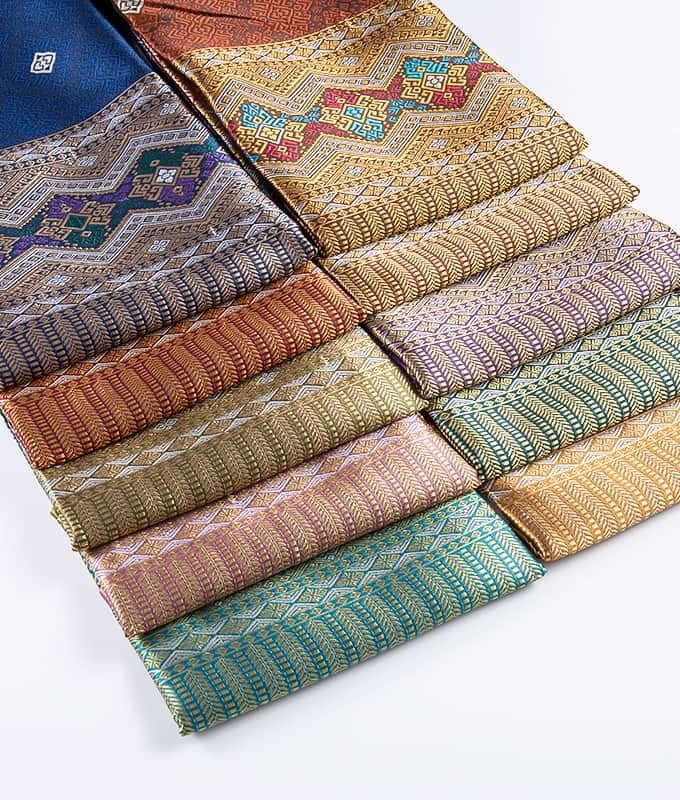
The Polyester Fabric for Traditional Southeast Asian Sarong Skirt bridges heritage and modernity. Rooted in cultural traditions, this fabric revitaliz...
See Details -
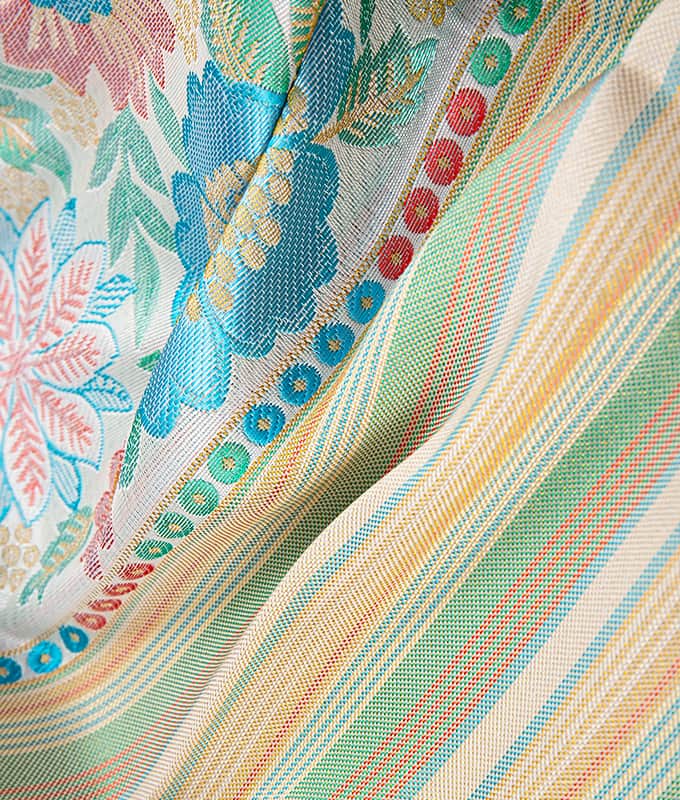
Sunflower Print Poly-Cotton Fabric for Sarong — a vibrant fabric inspired by sunflowers, radiating energy and brightness. Made with soft poly-cotton, ...
See Details -
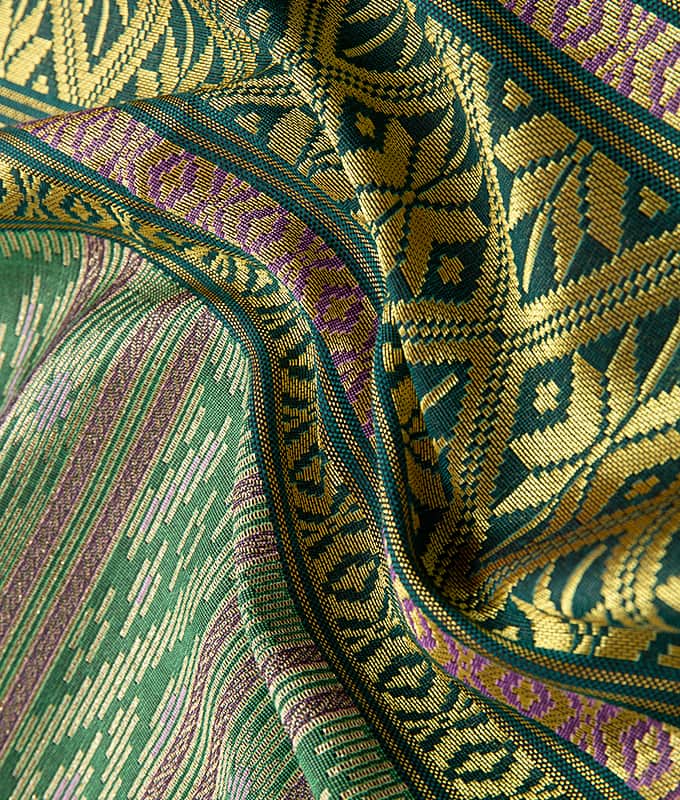
The Vertical Stripe Gold Thread Poly-Cotton Fabric for Sarong blends durability and comfort with a touch of elegance. Featuring vertically arranged go...
See Details -
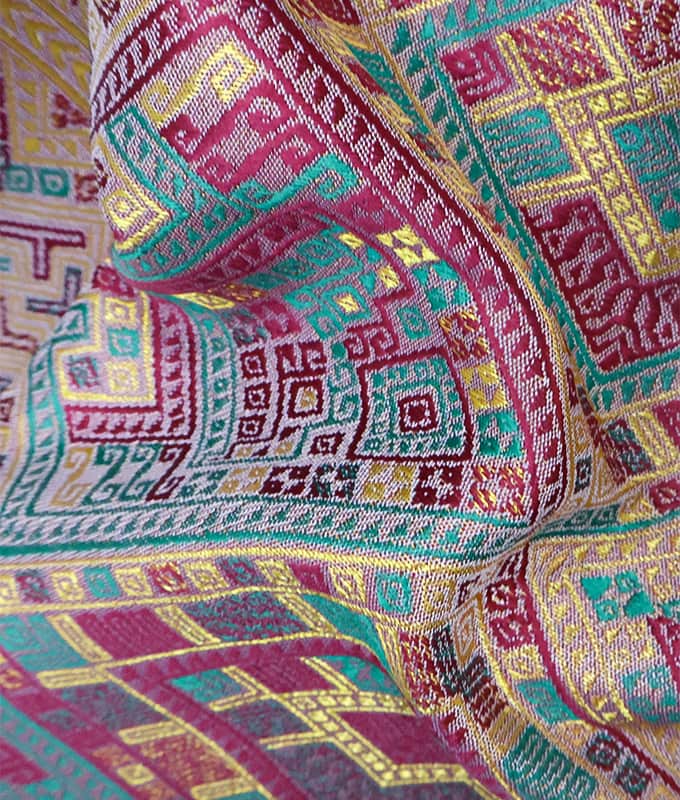
Silk-like Polyester Jacquard Fabric for Thai Pha Sinh Sarong — combining the elegance of silk-like texture with high-precision jacquard craftsmanship,...
See Details -
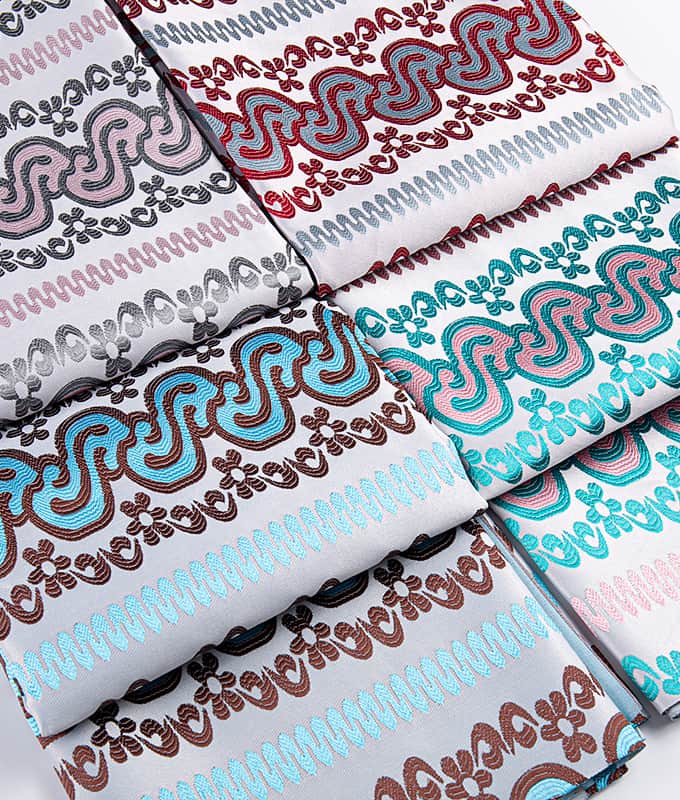
The S-Shaped 3D Textured Polyester Jacquard Fabric for Sarong combines elegance with durability. Crafted with advanced electronic jacquard technology,...
See Details

