


 English
  عربى
عربى  中文简体
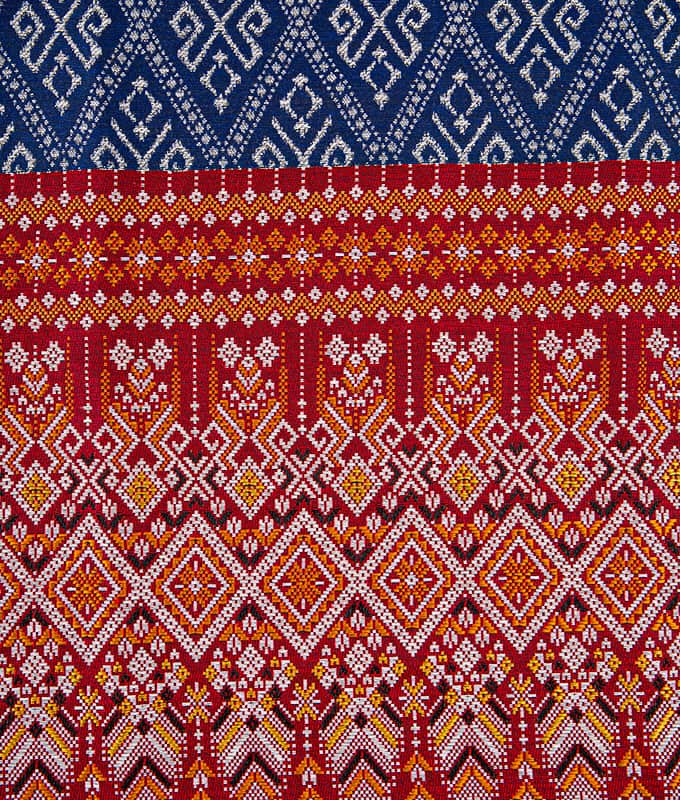
中文简体 Hand-Stitched Style Poly-Cotton Fabric for Sarong— a refined blend of style and practicality, crafted to give tube skirts a smooth texture and a well-...
See DetailsHand-Stitched Style Poly-Cotton Sarong Fabric Guide
Industry News-Content
- 1 What “Hand-Stitched Style” Usually Means on a Poly-Cotton Sarong
- 2 Poly-Cotton Blend Basics: Comfort vs. Maintenance
- 3 Choosing the Right Fabric Weight (GSM) for Your Use
- 4 How to Spot Better Quality in Weave, Stitching, and Edges
- 5 Sizing That Actually Wraps Well: Practical Dimensions
- 6 Care and Washing: Keep the Drape, Reduce Shrink, Avoid Fading
- 7 Best Use Cases: Where This Fabric Type Performs (and Where It Doesn’t)
- 8 Bottom Line: The Quick Buying Checklist
A hand-stitched style poly-cotton sarong fabric is a practical, travel-friendly wrap that balances breathability, quick drying, and durability—especially when you choose the right blend ratio, fabric weight (GSM), and edge finish for how you’ll actually wear it.
- For hot weather and beach use: aim for 90–120 GSM and a soft, drapey weave.
- For daily wrapping and frequent washing: prioritize tight weave + reinforced “hand-stitched style” edges.
- For minimal shrink surprises: pre-wash and expect about 2–4% shrink after the first wash cycle.
What “Hand-Stitched Style” Usually Means on a Poly-Cotton Sarong
On many sarongs, “hand-stitched style” refers to a visible edge finish that mimics artisanal stitching—often a blanket stitch look, a whipstitch look, or a decorative running stitch along the hem. It may be truly hand-finished, machine-stitched to look hand-done, or a mix (hand-tacked corners with machine hems).
Why the edge finish matters
- Reduces fraying on lighter weaves and frequent-wash use.
- Adds structure so knots hold better at the hip or chest.
- Improves longevity at stress points (corners and short ends).
A quick quality check: gently tug the edge seam. If you see gaps, loose loops, or inconsistent tension, the “hand-stitched style” finish may be decorative rather than durable.
Poly-Cotton Blend Basics: Comfort vs. Maintenance
Poly-cotton sarong fabric combines cotton’s softness with polyester’s resilience. The blend ratio influences feel, drying time, wrinkles, and how the fabric drapes when wrapped.
| Blend Ratio (Typical) | Best For | What to Expect |
|---|---|---|
| 60% cotton / 40% polyester | Soft drape, everyday comfort | Softer hand-feel, moderate wrinkles, solid durability |
| 65% polyester / 35% cotton | Travel, quick drying, low-iron | Less wrinkling, faster drying, slightly “crisper” feel |
| 50% cotton / 50% polyester | Balanced performance | Middle-ground drape, moderate drying time, stable shape |
If you want the sarong to feel more “cotton-like,” prioritize higher cotton content. If you want it to pack small, resist wrinkles, and dry quickly between swims, lean higher polyester.
Choosing the Right Fabric Weight (GSM) for Your Use
GSM (grams per square meter) is one of the most practical specs for sarong performance. It correlates with opacity, airflow, how the fabric hangs, and how well it holds a knot.
A simple GSM rule-of-thumb
- 80–100 GSM: ultra-light, very packable, most airy, may be more sheer depending on color/weave.
- 100–130 GSM: versatile “daily sarong” zone—good drape, better coverage, still quick drying.
- 130–160 GSM: more coverage and structure; best if you wear it as a skirt/dress often, slightly slower drying.
Example: a 110 GSM poly-cotton sarong typically folds smaller than a heavier wrap and dries faster after a swim, while still tying securely if the edges are reinforced with a hand-stitched style finish.
How to Spot Better Quality in Weave, Stitching, and Edges
“Looks good” isn’t enough for a sarong—real quality shows up after repeated knots, sand exposure, sunscreen contact, and washing. Use these quick checks before buying or right when it arrives.
Weave tightness and consistency
- Hold it up to light: even pinholes are normal; uneven streaks can mean weaker spots.
- Rub fabric between fingers: excessive fuzz early on can signal faster pilling.
Hand-stitched style edge durability
- Inspect corners: they should be reinforced (extra passes, bar tack, or denser stitching).
- Check stitch tension: loops shouldn’t be loose, and thread should lie flat without puckering.
- Look for seam allowance stability: edges shouldn’t roll aggressively after a gentle tug.
If you can count it, a practical range for visible decorative edge stitching is often around 6–10 stitches per inch (varies by style). Too sparse can snag; overly dense can stiffen the edge and reduce drape.
Sizing That Actually Wraps Well: Practical Dimensions
Sarong sizing is less about “one size fits all” and more about how you plan to tie it. Here are common size ranges that work in real scenarios.
Common sarong dimensions and typical use
- 150 × 100 cm (59 × 39 in): easy hip wrap, compact travel, lighter coverage.
- 170 × 110 cm (67 × 43 in): versatile standard—hip wrap, shoulder wrap, simple dress tie.
- 180 × 120 cm (71 × 47 in): better for strapless dress wraps and taller frames.
If you routinely wear it as a dress or want more knot security, a longer width plus a reinforced hand-stitched style edge helps prevent slippage.
Care and Washing: Keep the Drape, Reduce Shrink, Avoid Fading
Poly-cotton is generally low-maintenance, but sarongs are exposed to salt, chlorine, sunscreen, and heat. Good care keeps the fabric soft and the hand-stitched style edges intact.
A simple, protective wash routine
- Rinse after beach/pool use to remove salt or chlorine before it dries into the fibers.
- Machine wash cold or warm (avoid hot for first wash), gentle cycle if edges are decorative.
- Air dry when possible; if tumble drying, use low heat to reduce edge stress and shrink.
Expect an initial size change: many poly-cotton sarongs settle around 2–4% shrinkage after the first wash, especially if cotton content is higher. Pre-washing before hemming or altering is the safest approach.
Best Use Cases: Where This Fabric Type Performs (and Where It Doesn’t)
Hand-stitched style poly-cotton sarong fabric is ideal when you want a wrap that looks crafted but behaves predictably in day-to-day use.
Great fits
- Beach cover-up that dries between swims.
- Travel wrap that resists wrinkles and packs small.
- Everyday lounge wrap where edges take repeated knot stress.
Less ideal fits
- High-performance athletic sweating layers (poly-cotton can hold moisture more than technical synthetics).
- Ultra-formal drape needs (linen, silk, or rayon may fall more fluidly for dressy styling).
Bottom Line: The Quick Buying Checklist
If you want a sarong that looks artisanal and stands up to real use, focus on measurable specs and edge construction rather than only the pattern.
- Blend: choose higher cotton for softness; higher polyester for quick-dry and low-wrinkle.
- Weight: target 100–130 GSM for the most versatile poly-cotton sarong fabric.
- Edges: prefer reinforced corners and consistent hand-stitched style finishing to reduce fray and slippage.
- Care plan: rinse after salt/chlorine, wash gently, and expect 2–4% initial shrink.
Done right, a hand-stitched style poly-cotton sarong fabric delivers the best mix of comfort and convenience: it’s soft enough to wear all day and resilient enough to keep its shape, edges, and look through frequent use.
Related products
-
-
Sunflower Print Poly-Cotton Fabric for Sarong — a vibrant fabric inspired by sunflowers, radiating energy and brightness. Made with soft poly-cotton, ...
See Details -
The Vertical Stripe Gold Thread Poly-Cotton Fabric for Sarong blends durability and comfort with a touch of elegance. Featuring vertically arranged go...
See Details -
The Polyester Fabric for Popular Traditional Thai Sarong is crafted from carefully selected polyester filaments, with strict quality control from the ...
See Details -
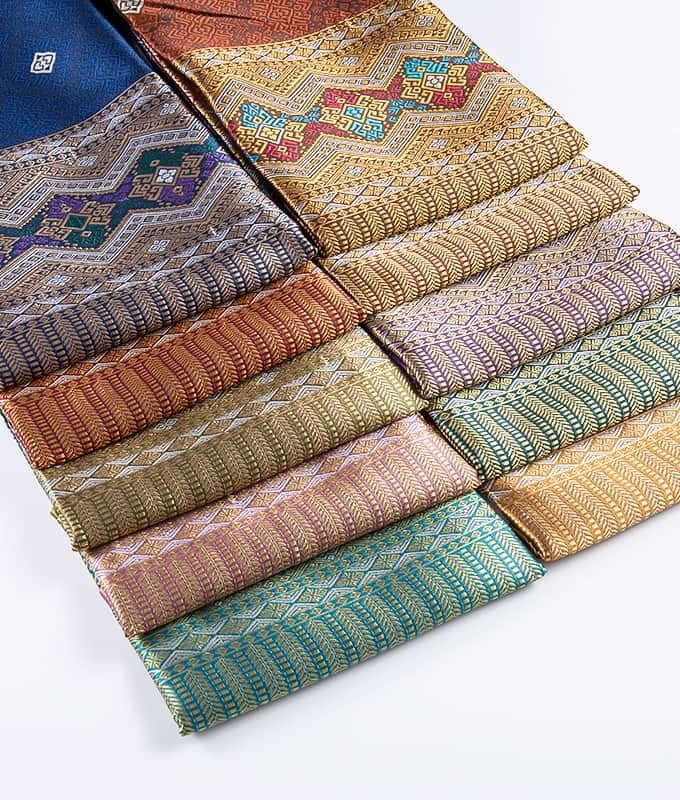
The Polyester Fabric for Traditional Southeast Asian Sarong Skirt bridges heritage and modernity. Rooted in cultural traditions, this fabric revitaliz...
See Details -
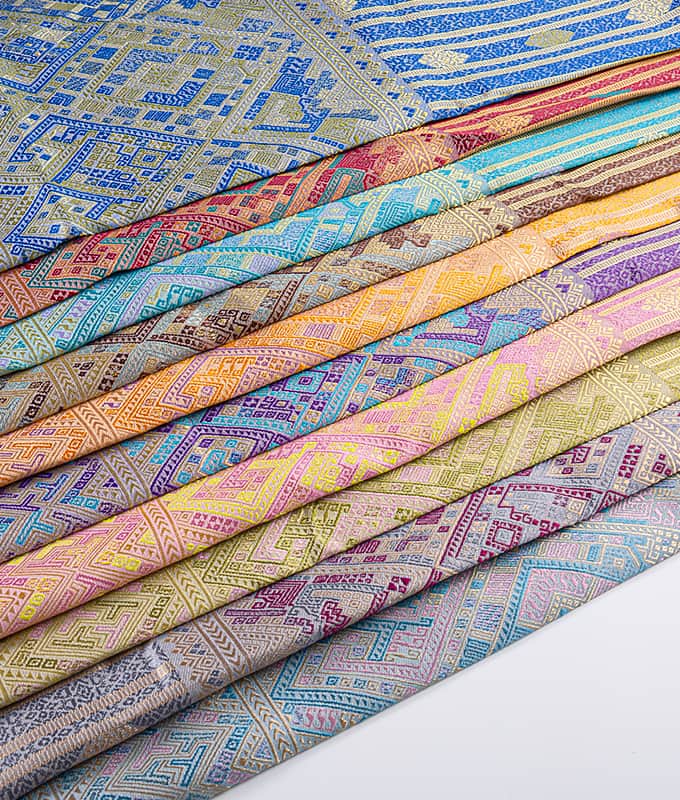
Hollow Polyester Jacquard Fabric for Laotian Traditional Sarong — a perfect fusion of Lao cultural heritage and modern fiber innovation. With symbolic...
See Details

