


 English
  عربى
عربى  中文简体
中文简体 Sunflower Print Poly-Cotton Fabric for Sarong — a vibrant fabric inspired by sunflowers, radiating energy and brightness. Made with soft poly-cotton, ...
See DetailsHow to Wear a Sarong: Tutorial + Different Wraps for Men
Industry News-Content
- 1 Tutorial: How to Wear a Sarong as a Classic Waist Wrap
- 2 Choose the Right Sarong Size and Fabric (So It Drapes Well)
- 3 Different Ways to Wear a Sarong (Practical Styles You’ll Actually Use)
- 4 How to Wear a Sarong Male: Reliable Styles and Fit Rules
- 5 How to Keep a Sarong From Slipping (Without Ruining the Look)
- 6 Common Sarong Mistakes (and Quick Fixes)
- 7 Care, Packing, and Re-wrapping Fast
The easiest way to wear a sarong: wrap it around your waist, overlap the ends, and tie a tight double knot (or a tuck-knot) at your hip or center.
- Hold the top edge at your waistline and pull the fabric around your body.
- Overlap the ends by 15–20 cm (6–8 in) for a secure hold.
- Tie a double knot, then smooth the top edge flat so it grips evenly.
Below is a practical tutorial on how to wear a sarong, plus different ways to wear a sarong (including several reliable options for men).
Tutorial: How to Wear a Sarong as a Classic Waist Wrap
This is the go-to everyday wrap because it’s fast, adjustable, and works for swimming, lounging, or walking around a resort.
Step-by-step waist wrap (front-knot or side-knot)
- Find the top edge and hold the sarong horizontally behind you at waist height.
- Bring both ends forward and choose your knot placement: center (front-knot) or off to one side (side-knot).
- Overlap the ends by 15–20 cm (6–8 in); more overlap = more friction and less slipping.
- Tie a first knot firmly, then tie a second knot (double knot) to lock it in.
- Tuck the knot tails down or to the side so they don’t flap when you walk.
Quick fit checks (so it looks intentional)
- For easier walking, set the hem around mid-calf; for lounging, ankle length is fine.
- Flatten the top edge like a waistband—wrinkles reduce grip and can loosen the knot.
- If you’re active, rotate the knot to your hip so it doesn’t press into your stomach when sitting.
Choose the Right Sarong Size and Fabric (So It Drapes Well)
Most sarongs are designed to be versatile, but sizing affects coverage, knot security, and how many styles you can pull off.
| Typical Size | Best Use | Practical Note |
|---|---|---|
| 160–170 × 100–110 cm (63–67 × 39–43 in) | Waist wrap (unisex), quick cover-up | Easy to knot; good for beach walking |
| 170–180 × 110–120 cm (67–71 × 43–47 in) | More “different ways” options (halter, strapless) | Better chest/torso coverage for dress-style wraps |
| 200 × 120 cm (79 × 47 in) or larger | Tall wearers, shawl/shoulder wrap | More fabric = heavier; choose lighter materials |
Fabric matters more than people think
- Cotton: breathable, higher friction (less slipping), great for daily wraps.
- Rayon/viscose: flowy drape and vivid prints, but can be slick—use stronger knots.
- Linen blends: crisp look, good structure, ideal if you want a “skirt-like” silhouette.
If you want maximum styling range, aim for a sarong around 170–180 cm long with enough width to wrap securely and still tie a stable knot.
Different Ways to Wear a Sarong (Practical Styles You’ll Actually Use)
These are reliable wraps that don’t require special accessories. Choose based on coverage, movement, and where you want the knot to sit.
Side-knot waist wrap (fast, walkable)
Wrap at the waist, overlap, and tie the double knot slightly forward of your hip. This reduces rubbing and keeps the knot from pressing when you sit.
Tuck-knot waist wrap (clean look, less bulk)
Instead of a big knot, twist one end into a rope, wrap it once around the other end, then tuck the tail down inside the waistband fold. It looks sleeker and holds well with cotton or textured fabrics.
High-waist wrap (more coverage, less slipping)
Start the top edge slightly above your natural waist and tie firmly. A higher anchor point often stays in place better because the torso tapers, creating natural grip.
Strapless chest wrap (quick changing cover)
Hold the sarong behind your back at chest height, bring both ends forward, tie a secure double knot, then fold the top edge down once to lock it. Best with wider sarongs for confident coverage.
Halter wrap (more secure upper-body style)
Hold behind your back, bring ends forward, cross them over your chest, then tie behind your neck. This uses neck tension to reduce slippage and works well with lighter fabrics.
One-shoulder drape (shade + modesty layer)
Fold the sarong lengthwise into a wide band and drape it across one shoulder like a shawl. If needed, secure it with a simple tuck at the side of your waist wrap.
- Most secure for movement: high-waist wrap and side-knot wrap.
- Best for quick coverage: strapless chest wrap.
- Best for a polished look: tuck-knot waist wrap.
How to Wear a Sarong Male: Reliable Styles and Fit Rules
For men, the goals are usually straightforward: stable coverage, easy walking, and a wrap that won’t loosen when you sit or move.
The “sarong skirt” (classic male wear)
Wrap at the waist, overlap generously, and tie a compact double knot. Keep the hem around mid-calf so your stride feels natural and the fabric doesn’t catch at your ankles.
The double-wrap (for swimming-to-bar transitions)
If your sarong is long enough, wrap once around, then continue another partial turn before tying. Two layers increase friction and reduce transparency when wet.
The towel-style low wrap (easy, casual)
Set the top edge slightly lower on the hips and use a side knot. This feels relaxed, but use extra overlap and a tighter knot because low wraps slip more easily.
Male fit rules that prevent “wardrobe malfunctions”
- Aim for 15–20 cm (6–8 in) overlap minimum; if it’s windy or you’re walking a lot, go bigger.
- Place the knot at the hip for comfort and to avoid pressure when sitting.
- If the fabric is slick (rayon), fold the top edge down once after tying to “lock” the waistband.
- For active areas (pool deck, stairs), shorten the hem to mid-calf for safer steps.
How to Keep a Sarong From Slipping (Without Ruining the Look)
A sarong usually slips for one of two reasons: not enough overlap or too little friction at the waistband. Fix those, and most wraps stay put.
Simple stability upgrades
- Increase overlap to 20–25 cm (8–10 in) for windy conditions.
- Use a double knot, then tuck the tails downward under the waistband fold.
- Fold the top edge down once (like a belt) to add thickness and grip.
- If you have one, a small safety pin or sarong clip can secure the overlap discreetly at the hip.
Rule of thumb: if you can pull the top edge forward more than a few centimeters with one hand, tighten the knot or add overlap.
Common Sarong Mistakes (and Quick Fixes)
Small adjustments make a sarong look cleaner and feel more secure—especially if you’re trying different ways to wear a sarong for the first time.
- Knot too loose: retie with a double knot and flatten the waistband.
- Hem dragging: raise the wrap to mid-calf or fold the bottom edge up once.
- Fabric twisting at the waist: smooth the top edge and distribute tension evenly before tying.
- Slick fabric slipping: add overlap, fold the waistband down, or use a discreet clip/pin.
- Bulky knot: switch to a tuck-knot for a cleaner, flatter finish.
Care, Packing, and Re-wrapping Fast
A sarong works best when it’s soft, clean, and not overly wrinkled—wrinkles can reduce friction at the waistband and make knots feel less secure.
Quick care habits
- Rinse after saltwater or chlorine to keep fibers flexible and prints bright.
- Air-dry flat or hung to reduce hard creases that affect drape.
- For travel, fold into thirds lengthwise, then roll—this minimizes wrinkles and unrolls cleanly.
Once you’ve practiced the waist wrap and one backup style (like the tuck-knot), you’ll be able to re-wrap in under a minute and confidently switch between different ways to wear a sarong as needed.
Related products
-
-
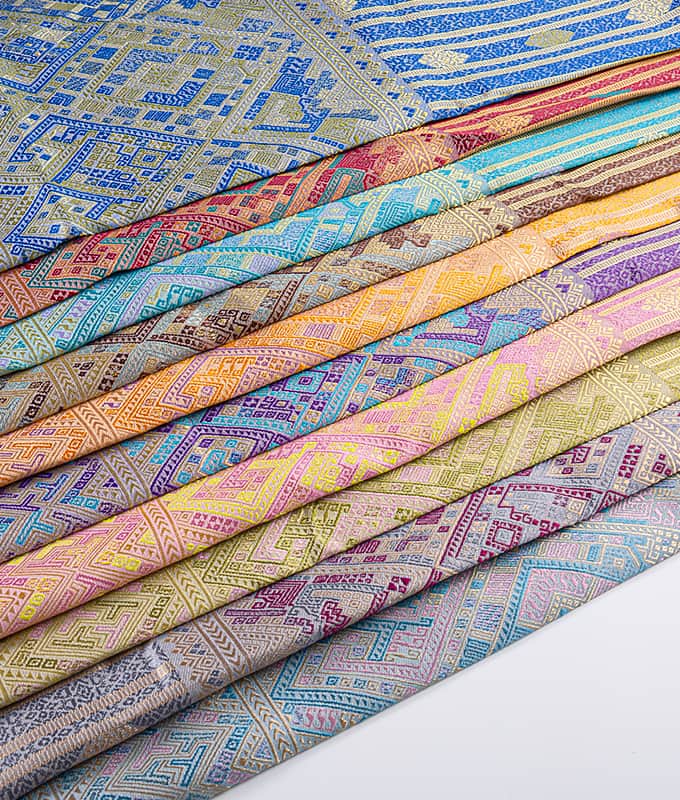
Hollow Polyester Jacquard Fabric for Laotian Traditional Sarong — a perfect fusion of Lao cultural heritage and modern fiber innovation. With symbolic...
See Details -
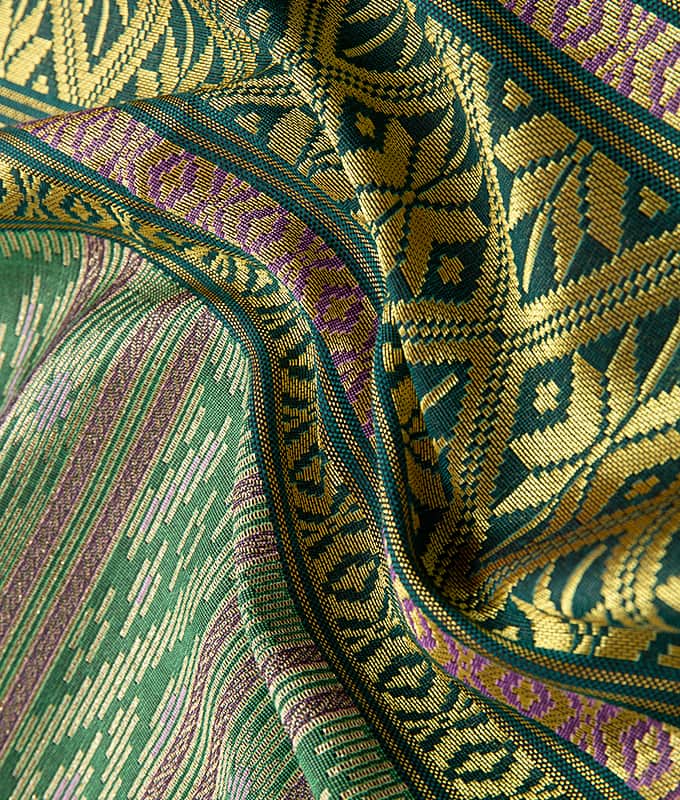
The Vertical Stripe Gold Thread Poly-Cotton Fabric for Sarong blends durability and comfort with a touch of elegance. Featuring vertically arranged go...
See Details -
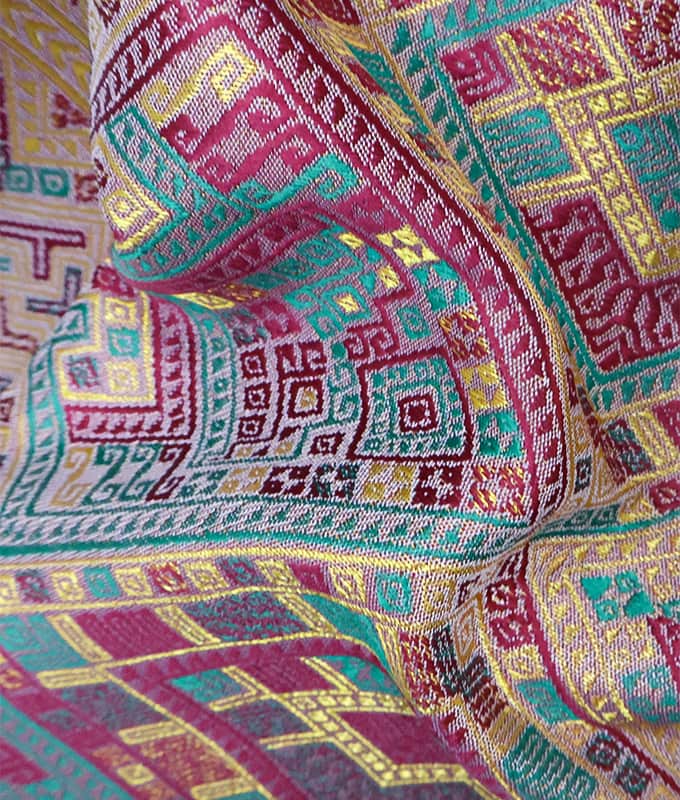
Silk-like Polyester Jacquard Fabric for Thai Pha Sinh Sarong — combining the elegance of silk-like texture with high-precision jacquard craftsmanship,...
See Details -
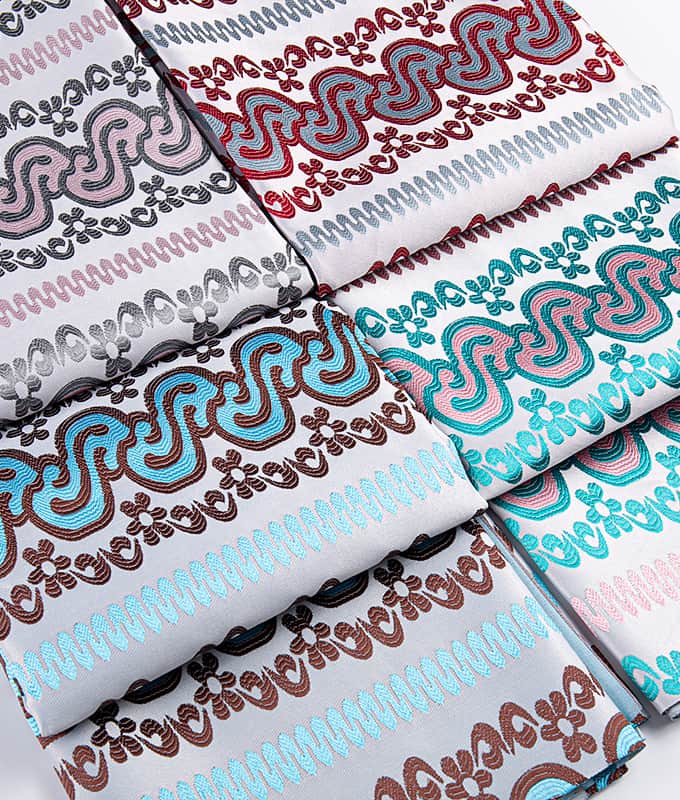
The S-Shaped 3D Textured Polyester Jacquard Fabric for Sarong combines elegance with durability. Crafted with advanced electronic jacquard technology,...
See Details -
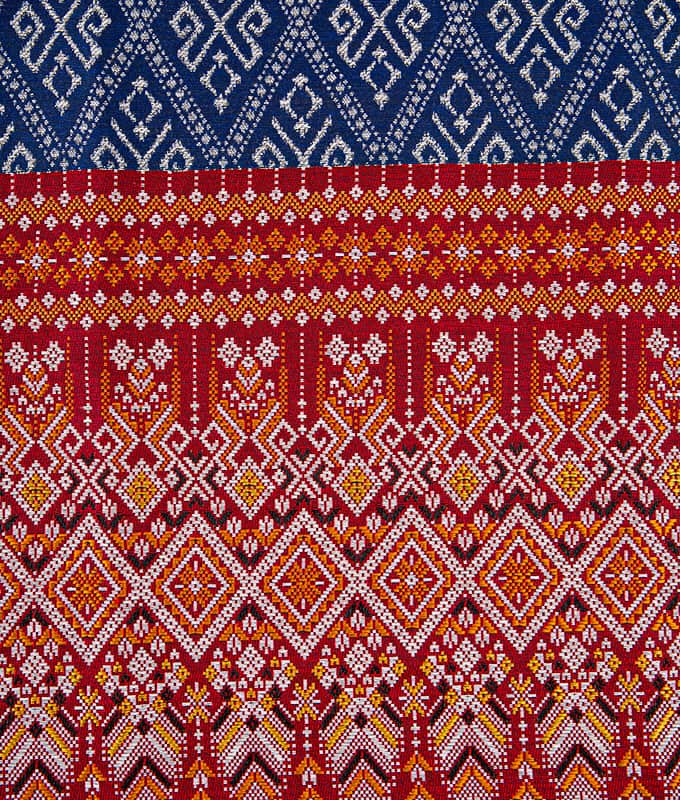
Hand-Stitched Style Poly-Cotton Fabric for Sarong— a refined blend of style and practicality, crafted to give tube skirts a smooth texture and a well-...
See Details

