


 English
  عربى
عربى  中文简体
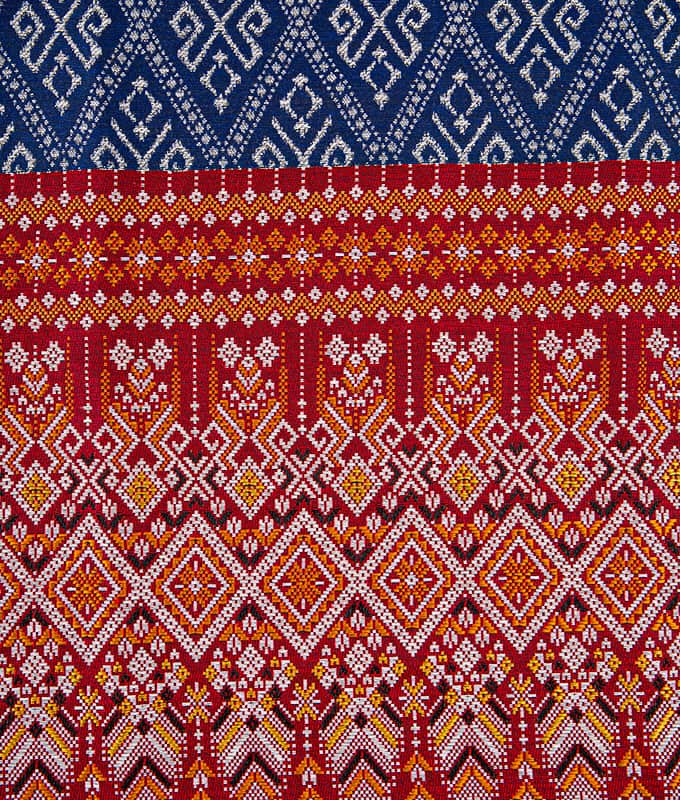
中文简体 Hand-Stitched Style Poly-Cotton Fabric for Sarong— a refined blend of style and practicality, crafted to give tube skirts a smooth texture and a well-...
See DetailsSarong Fashion: Style Guide, Trends & How to Wear This Versatile Piece
Industry News-Content
- 1 What Makes Sarong Fashion Timeless and Versatile
- 2 Essential Styling Techniques for Every Occasion
- 3 Current Trends Shaping Sarong Fashion
- 4 Choosing the Right Fabric and Size
- 5 Pairing Sarongs with Modern Wardrobe Essentials
- 6 Care and Maintenance for Longevity
- 7 Where to Buy Quality Sarongs
- 8 Body Type Styling Recommendations
- 9 Cultural Appreciation and Respectful Wearing
What Makes Sarong Fashion Timeless and Versatile
Sarong fashion represents one of the most adaptable and enduring garments in modern wardrobes. This rectangular piece of fabric, traditionally measuring 1.5 to 2 meters in length, has evolved from its Southeast Asian origins into a global fashion staple that works equally well on beaches, at resort dinners, and even in urban settings. The sarong's appeal lies in its remarkable versatility - a single piece can be transformed into over 20 different styles, from skirts and dresses to tops and accessories.
The contemporary sarong market has experienced significant growth, with the global beachwear segment (where sarongs feature prominently) projected to reach $24.6 billion by 2027. This surge reflects not only the garment's practical benefits but also its alignment with sustainable fashion trends, as sarongs require minimal fabric and often feature traditional, low-impact production methods.
Essential Styling Techniques for Every Occasion
Classic Wrap Styles
The traditional wrap remains the most popular sarong styling method. For a basic skirt wrap, hold the sarong behind your waist, bring both ends to the front, and tie securely at the hip or center. This creates an asymmetrical look that flatters most body types and takes less than 30 seconds to achieve.
- Beach cover-up: Wrap high on the chest and secure above the bust for instant swimwear coverage
- Halter dress: Fold the top edge down 6-8 inches, wrap around torso, and tie behind the neck
- Pareo skirt: Wrap around waist and knot at the side for a casual, breezy look
- One-shoulder toga: Drape diagonally across body and secure at one shoulder
Advanced Styling Methods
For those comfortable with the basics, advanced techniques unlock the sarong's full potential. The Balinese knot method involves twisting the fabric before tying, creating elegant draping and reducing bulk at the knot point. Fashion stylists recommend practicing these techniques at home before wearing them out, as confidence in the wrap's security significantly impacts how the outfit looks and feels.
Current Trends Shaping Sarong Fashion
Modern sarong fashion has shifted dramatically from purely beachwear to versatile everyday pieces. Recent fashion weeks in Paris and Milan featured sarongs styled with tailored blazers, structured belts, and designer accessories, demonstrating their high-fashion potential.
| Trend | Key Features | Best For |
|---|---|---|
| Batik Prints | Traditional wax-resist dyeing, intricate patterns | Resort wear, cultural events |
| Minimalist Solids | Single colors, premium fabrics like silk or linen | Urban styling, formal occasions |
| Geometric Patterns | Bold lines, contemporary designs | Street style, festival wear |
| Tie-Dye Revival | Gradient colors, bohemian aesthetic | Beach destinations, casual outings |
Sustainability has become a driving force in sarong fashion, with 73% of consumers now preferring eco-friendly fabrics according to 2024 textile industry reports. Organic cotton, bamboo blends, and recycled polyester sarongs have seen sales increases of over 40% year-over-year, particularly among millennial and Gen Z shoppers.
Choosing the Right Fabric and Size
Fabric Selection Guide
The fabric you choose dramatically affects both appearance and functionality. Cotton sarongs are ideal for hot climates, offering excellent breathability and moisture absorption, while rayon provides a luxurious drape perfect for evening wear. Silk sarongs command premium prices but deliver unmatched elegance and a flattering flow.
- Lightweight cotton: Best for beach and casual day wear, quick-drying properties
- Rayon/viscose: Excellent drape, vibrant color retention, moderate price point
- Silk: Premium option for formal settings, requires delicate care
- Chiffon: Sheer and romantic, works well for layering
- Linen blend: Textured appearance, ideal for resort casual
Size Considerations
Standard sarongs measure approximately 115cm x 165cm (45" x 65"), but dimensions vary by region and intended use. Taller individuals or those preferring longer styles should opt for sarongs measuring at least 180cm in length. Width is equally important - narrower sarongs around 100cm work for petite frames, while plus-size options extend to 150cm wide for comfortable, secure wrapping.
Pairing Sarongs with Modern Wardrobe Essentials
Contemporary sarong styling goes far beyond traditional beach pairings. Fashion influencers have documented over 15 million Instagram posts featuring sarongs styled with unexpected pieces, demonstrating the garment's mainstream appeal.
Casual Combinations
- White t-shirt and sarong skirt with sneakers for effortless weekend style
- Denim jacket over sarong dress for transitional weather
- Crop top with high-waisted sarong wrap for summer festivals
- Oversized sweater with sarong as a midi skirt for bohemian fall looks
Elevated Styling
For more sophisticated occasions, pair silk or high-quality rayon sarongs with fitted bodysuits or tailored shirts. Adding a statement belt at the waist creates definition and transforms the casual garment into dinner-appropriate attire. Designer brands like Zimmermann and Camilla have incorporated sarong-inspired pieces into their collections, retailing at $300-$600, signaling the garment's elevated fashion status.
Care and Maintenance for Longevity
Proper care extends a sarong's lifespan significantly. Most cotton and rayon sarongs can withstand 50-100 washes when cared for correctly, while silk versions require more delicate treatment.
- Hand wash in cold water with mild detergent to preserve colors and fabric integrity
- Avoid wringing; instead, gently squeeze excess water and lay flat to dry
- Iron on low heat while slightly damp for natural fibers
- Store folded in a cool, dry place away from direct sunlight to prevent fading
- For batik or hand-dyed sarongs, add 1/4 cup white vinegar to the first wash to set colors
Where to Buy Quality Sarongs
The sarong market offers options at every price point. Budget-friendly choices from fast fashion retailers start at $15-$25, while artisan-made pieces from Southeast Asian craftspeople range from $40-$100. These handcrafted options often feature superior quality and support traditional textile communities.
Shopping Considerations
When purchasing online, check detailed measurements rather than relying on size labels. Read reviews specifically mentioning fabric thickness, color accuracy, and whether the sarong maintains its wrap securely. Authentic batik sarongs from Indonesia or Thailand typically cost more but offer genuine cultural craftsmanship and unique patterns that mass-produced versions cannot replicate.
Local markets in beach destinations often provide excellent value, with prices 30-50% lower than resort boutiques. However, verify fabric composition and construction quality before purchasing, as some tourist-focused vendors prioritize quantity over quality.
Body Type Styling Recommendations
Sarongs flatter every body type when styled appropriately. The key lies in understanding which wrapping techniques emphasize your preferred features.
| Body Type | Recommended Style | Styling Tip |
|---|---|---|
| Pear Shape | High-waisted wrap with diagonal draping | Draw attention upward, create vertical lines |
| Apple Shape | Side-tied skirt or empire waist dress | Emphasize legs, minimize midsection |
| Hourglass | Fitted wrap at natural waist | Highlight waist definition with secure knot |
| Athletic/Rectangle | Twisted front or asymmetrical styles | Add volume and curves through draping |
Petite individuals should avoid overwhelming prints and opt for smaller-scale patterns that won't visually shorten the frame. Conversely, taller frames can carry bold, large-scale designs beautifully. Plus-size styling benefits from darker colors or medium-toned prints with vertical elements that create elongating effects.
Cultural Appreciation and Respectful Wearing
Sarongs hold deep cultural significance across Southeast Asia, the Pacific Islands, and parts of Africa. In Indonesia, certain batik patterns are reserved for royal occasions or specific ceremonies. Understanding these cultural contexts enriches the wearing experience and demonstrates respect for the garment's heritage.
When traveling, observe local customs regarding sarong wear. In Bali, temple visitors must wear sarongs as a sign of respect, typically provided at temple entrances. In these settings, proper coverage means wrapping below the knees and ensuring shoulders are covered - a practice that over 5 million annual visitors to Balinese temples follow.
Related products
-
-
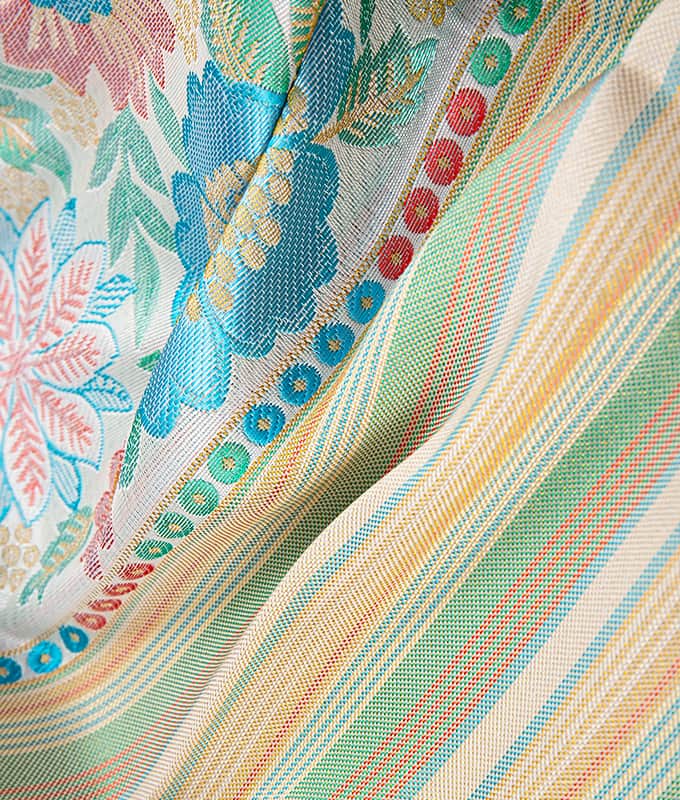
Sunflower Print Poly-Cotton Fabric for Sarong — a vibrant fabric inspired by sunflowers, radiating energy and brightness. Made with soft poly-cotton, ...
See Details -
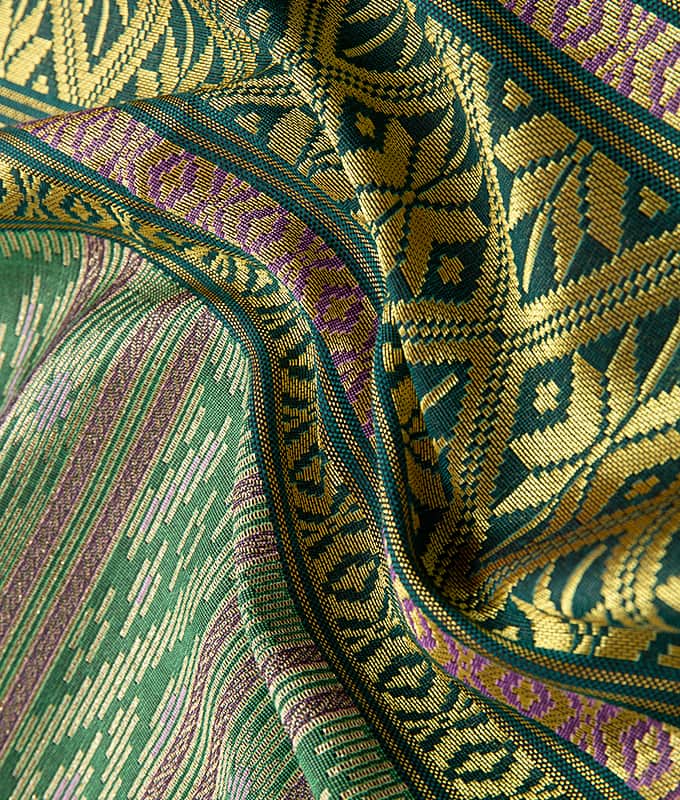
The Vertical Stripe Gold Thread Poly-Cotton Fabric for Sarong blends durability and comfort with a touch of elegance. Featuring vertically arranged go...
See Details -
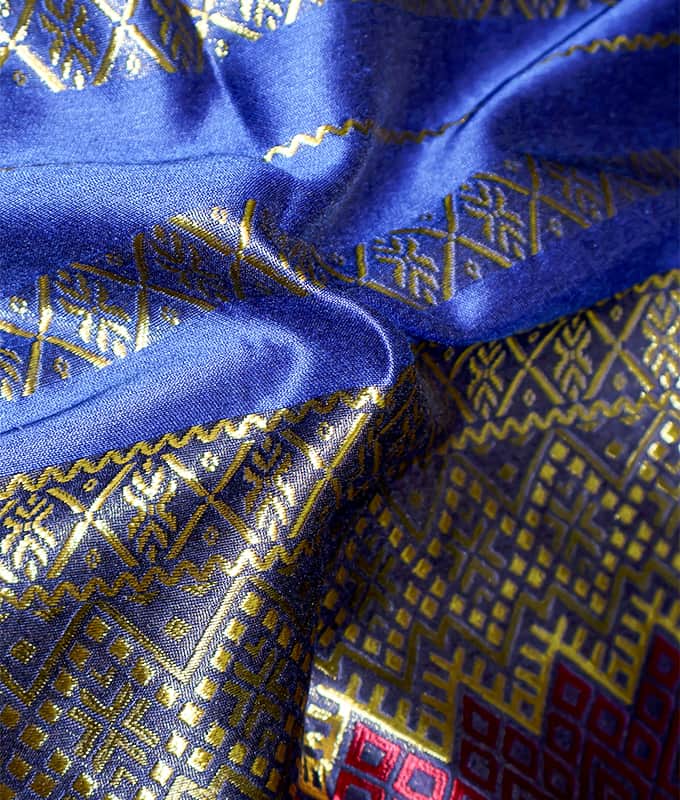
100% Polyester Jacquard Pattern Colorful Southeast Asian Sarong Fabric – durable, vibrant, and easy to care for, designed to bring both beauty and pra...
See Details -
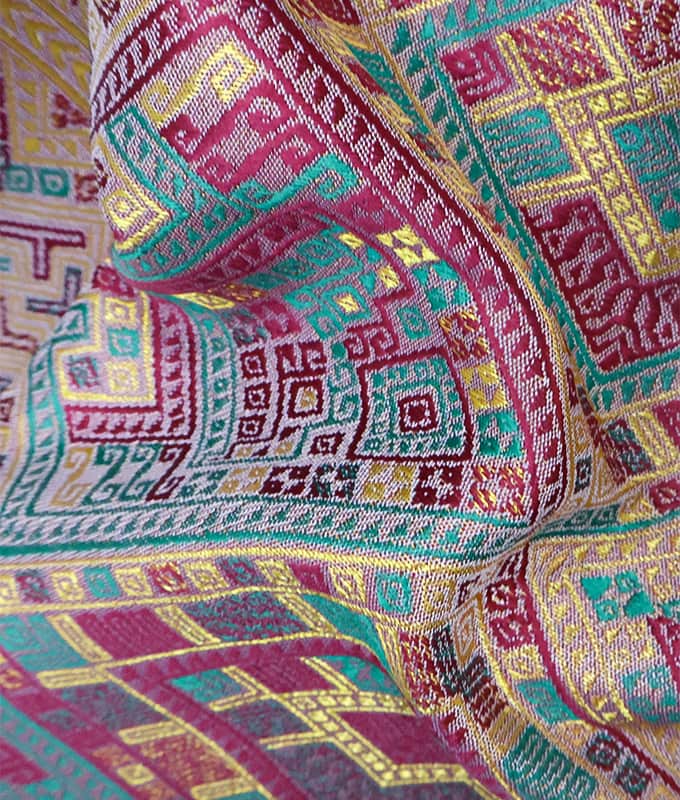
Silk-like Polyester Jacquard Fabric for Thai Pha Sinh Sarong — combining the elegance of silk-like texture with high-precision jacquard craftsmanship,...
See Details -
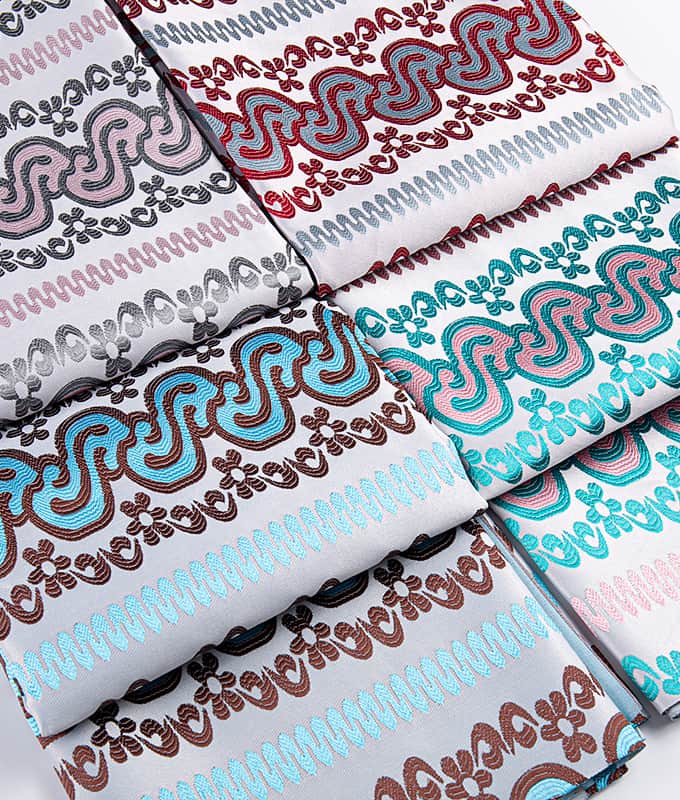
The S-Shaped 3D Textured Polyester Jacquard Fabric for Sarong combines elegance with durability. Crafted with advanced electronic jacquard technology,...
See Details

