


 English
  عربى
عربى  中文简体
中文简体 Sunflower Print Poly-Cotton Fabric for Sarong — a vibrant fabric inspired by sunflowers, radiating energy and brightness. Made with soft poly-cotton, ...
See DetailsSarong Fabric Guide: Types, Uses & Buying Tips | Complete Overview
Industry News-Content
What is Sarong Fabric
Sarong fabric is a lightweight, rectangular textile traditionally measuring 1-2 meters in length and 0.6-1.2 meters in width, designed to be wrapped around the body as a versatile garment. Originally from Southeast Asia and the Pacific Islands, this fabric has evolved from a cultural staple into a globally recognized material used for beachwear, home décor, and fashion accessories. The defining characteristics of sarong fabric include its breathable weave, vibrant patterns, and adaptability to various draping techniques.
The fabric typically features distinctive elements such as batik prints, tropical motifs, geometric patterns, or solid colors. Modern sarong fabrics are manufactured from multiple fiber types, each offering different benefits in terms of durability, comfort, and aesthetic appeal. Understanding the composition and construction of sarong fabric helps consumers select the right material for their specific needs, whether for daily wear in tropical climates or as decorative textile pieces.
Common Types of Sarong Fabric Materials
The material composition significantly impacts the sarong's performance, appearance, and longevity. Each fiber type brings distinct properties that cater to different climate conditions and usage scenarios.
Cotton Sarong Fabric
Cotton represents approximately 60% of all sarong fabric production worldwide, making it the most popular choice for traditional and contemporary designs. Cotton sarongs offer exceptional breathability with moisture absorption rates of up to 25% of their dry weight, making them ideal for humid tropical environments. The fabric weight typically ranges from 100-180 GSM (grams per square meter), with lighter weights preferred for beachwear and heavier weights for daily garments.
Cotton sarongs maintain color vibrancy through multiple wash cycles and become softer with age. Premium varieties like Egyptian cotton or Pima cotton sarongs feature longer fiber staples (35-40mm versus 22-28mm for standard cotton), resulting in smoother texture and enhanced durability. These high-quality options typically cost 40-60% more than standard cotton variants but offer superior longevity, often lasting 5-7 years with proper care.
Rayon and Viscose Sarong Fabric
Rayon sarongs provide a silk-like drape at approximately 30-50% of the cost of genuine silk, making them accessible luxury options. This semi-synthetic fiber, derived from cellulose, offers excellent color retention and produces vibrant, saturated hues that appeal to fashion-forward consumers. Rayon fabric typically weighs between 90-150 GSM, creating a flowing silhouette that flatters various body types.
However, rayon sarongs require more delicate care than cotton alternatives. They lose approximately 30-50% of their strength when wet, necessitating gentle hand washing or professional cleaning. Modal and bamboo rayon variants offer improved durability and sustainability, with bamboo rayon sarongs featuring natural antimicrobial properties that reduce odor retention by up to 70% compared to standard rayon.
Silk Sarong Fabric
Silk sarongs represent the premium segment of the market, with prices ranging from $80-$300 depending on silk quality and craftsmanship. Pure silk sarongs regulate body temperature effectively, keeping wearers cool in summer and warm in winter through natural protein fiber properties. The fabric typically weighs 12-25 momme (a unit measuring silk weight), with 16-19 momme considered optimal for sarong construction.
Different silk types produce varied characteristics: Mulberry silk offers the finest quality with uniform texture, while Tussar silk provides natural golden hues and slightly coarser feel. Silk sarongs require dry cleaning or careful hand washing in cool water to maintain their lustrous appearance and prevent shrinkage, which can reach 8-10% if exposed to hot water.
Synthetic and Blended Sarong Fabrics
Polyester and polyester-blend sarongs dominate the beachwear market due to their quick-drying properties and resistance to chlorine and saltwater damage. Pure polyester sarongs dry 3-4 times faster than cotton equivalents, typically achieving 90% dryness within 2-3 hours. These fabrics resist wrinkling and maintain shape integrity through repeated use and washing.
Cotton-polyester blends (commonly 60% cotton, 40% polyester) combine the breathability of natural fibers with synthetic durability. These blends reduce shrinkage to under 3% compared to 5-8% for pure cotton, while maintaining adequate moisture wicking. However, polyester content above 50% can reduce breathability by 40-60%, making high-polyester blends less suitable for extended wear in hot climates.
Weaving and Construction Techniques
The manufacturing method significantly influences sarong fabric characteristics, affecting everything from transparency to durability and price point.
Plain weave construction represents the most common technique, accounting for roughly 70% of sarong production. This simple over-under pattern creates balanced fabric with equal warp and weft visibility, resulting in predictable draping qualities. Thread counts typically range from 60-120 threads per inch, with higher counts producing smoother, more opaque fabrics.
Voile and muslin weaves utilize finer threads with looser construction, creating semi-transparent fabrics ideal for beach cover-ups. These lightweight options typically weigh 60-90 GSM and offer enhanced breathability, though they provide less privacy than denser weaves. The open structure allows air circulation rates 2-3 times higher than standard plain weaves.
Jacquard and dobby weaves incorporate complex patterns directly into the fabric structure during weaving. These techniques create textured designs without printing, resulting in reversible fabrics with dimensional patterns. Jacquard sarongs typically cost 50-100% more than printed equivalents but offer superior durability, as the patterns won't fade or wash out over time.
Printing and Dyeing Methods for Sarong Fabric
The decoration technique applied to sarong fabric determines pattern complexity, color fastness, and overall aesthetic appeal. Traditional and modern methods each offer distinct advantages.
| Printing Method | Color Fastness Rating | Cost Factor | Pattern Detail Level |
|---|---|---|---|
| Hand Batik | 8-9/10 | High (3-5x base) | Very High |
| Block Printing | 7-8/10 | Medium (1.5-2x base) | Medium |
| Screen Printing | 7-8/10 | Low-Medium (1.2-1.5x base) | High |
| Digital Printing | 6-7/10 | Medium (1.3-2x base) | Very High |
| Roller Printing | 6-7/10 | Very Low (1x base) | Medium-Low |
Batik printing remains the most prestigious decoration method, particularly for Indonesian and Malaysian sarongs. The wax-resist dyeing process creates intricate patterns with color depth that penetrates fabric fibers rather than sitting on the surface. Authentic hand-drawn batik sarongs can require 40-80 hours of labor, explaining their premium pricing of $60-$200 per piece. The process involves multiple dye baths, with quality batik sarongs undergoing 3-5 separate dyeing stages.
Digital reactive printing has revolutionized sarong production since the 2010s, enabling photographic-quality images and unlimited color variations. This method bonds dye molecules directly to fabric fibers through chemical reaction, achieving wash fastness ratings of 6-7 on the standard 1-10 scale. While not matching traditional batik's 8-9 rating, digital printing reduces production time by 90% and eliminates minimum order quantities, making custom designs economically viable.
Practical Applications and Uses
Sarong fabric's versatility extends far beyond traditional garment use, with modern applications spanning fashion, home décor, and functional accessories.
Traditional and Fashion Wear
In Southeast Asian cultures, sarong fabric serves as daily attire for an estimated 300 million people across Indonesia, Malaysia, Thailand, and surrounding regions. The fabric's rectangular shape allows for dozens of wrapping techniques, creating distinct silhouettes for different occasions. Traditional uses include ceremonial dress, sleepwear, and modest daily clothing, with specific patterns reserved for weddings, religious ceremonies, or social status indication.
Western fashion has adopted sarong fabric primarily for beachwear and resort clothing. The global beach sarong market reached $420 million in 2023, with projected annual growth of 6.2% through 2030. Contemporary designs incorporate modern aesthetics while maintaining the fabric's functional benefits: quick drying, lightweight portability, and multi-styling options. A single sarong can function as beach cover-up, skirt, dress, shawl, or turban.
Home Décor and Textile Applications
Sarong fabric's large dimensions and vibrant patterns make it ideal for interior decoration. Common applications include:
- Wall hangings and tapestries, where the 1-2 meter length provides substantial coverage
- Table runners and decorative throws, utilizing the fabric's natural drape
- Window treatments and curtains, particularly for bohemian or tropical-themed interiors
- Furniture upholstery and cushion covers, though this requires heavier-weight fabrics (180+ GSM)
- Beach blankets and picnic mats, leveraging quick-dry properties
Interior designers often select sarong fabric for accent pieces because the bold patterns create focal points without overwhelming spaces. A single well-chosen sarong can coordinate an entire room's color scheme while adding cultural authenticity to décor.
Functional and Craft Uses
Beyond aesthetics, sarong fabric serves practical purposes in various contexts. Baby-wearing communities utilize sarongs as ring slings or mei tai carriers, with the fabric's strength supporting weights up to 35 pounds when properly knotted. The material's breathability prevents overheating during extended carrying sessions.
Crafters repurpose sarong fabric into bags, pouches, quilts, and clothing items. The pre-hemmed edges simplify sewing projects, requiring minimal finishing work. A standard 2-meter sarong provides sufficient material for 3-4 throw pillows, 1 tote bag, or 2 pairs of loose pants, making it cost-effective raw material for DIY enthusiasts.
Selecting Quality Sarong Fabric
Identifying well-constructed sarong fabric requires evaluating multiple quality indicators that affect performance and longevity.
Physical Quality Indicators
Thread count and fabric weight provide quantifiable quality metrics. Premium cotton sarongs typically feature 80-120 threads per inch, while budget options may have only 40-60 TPI. Higher thread counts create smoother hand feel and improved durability, though extremely high counts (150+ TPI) can reduce breathability by 30-40%.
Fabric weight should match intended use: 80-120 GSM for beach cover-ups and lightweight wraps, 130-160 GSM for daily wear sarongs, and 170-200 GSM for home décor applications requiring body and structure. Weights below 70 GSM may be overly transparent, while weights above 220 GSM can feel stiff and difficult to drape.
Hemming quality indicates overall construction standards. Hand-rolled hems (common on luxury sarongs) create minimal bulk and demonstrate craftsmanship, while machine-hemmed edges should feature tight, even stitching with 10-12 stitches per inch. Frayed edges or loose threads suggest poor quality control that will worsen with washing.
Color and Pattern Assessment
Testing color fastness before purchase prevents future disappointment. The white cloth test involves rubbing white fabric against the sarong's surface: any color transfer indicates poor dye fixation. Quality sarongs should show zero color bleed when tested dry and minimal bleeding (faint tint only) when tested damp.
Pattern registration—how precisely printed designs align—reveals manufacturing quality. Examine where patterns meet at seams or fabric edges: misalignment exceeding 5mm indicates rushed production and lower quality standards. Hand-printed sarongs naturally show slight variations (2-3mm) that add artisanal character without compromising quality.
Price-Quality Correlation
Understanding typical price ranges helps identify fair value and avoid overpaying for inferior products. Market research from 2024 indicates these approximate retail prices:
- Machine-printed polyester sarongs: $8-$18
- Standard cotton with screen printing: $15-$35
- Premium cotton with block printing: $35-$65
- Rayon with digital printing: $25-$50
- Hand-batik cotton or rayon: $60-$150
- Silk with traditional techniques: $100-$300+
Prices significantly below these ranges often indicate synthetic fabric mislabeled as natural fiber, imported fast-fashion quality, or chemical dyes that won't withstand repeated washing.
Care and Maintenance Guidelines
Proper care extends sarong fabric lifespan significantly, with well-maintained pieces lasting 5-10 years compared to 1-2 years for improperly cared-for items.
Washing Recommendations by Fabric Type
Cotton sarongs tolerate machine washing on gentle cycles with cold water (30°C/86°F maximum). Using color-safe detergent without optical brighteners preserves pattern vibrancy. First-time washing should always be separate, as excess dye release is normal—expect moderate color bleeding that diminishes after 2-3 washes. Adding ½ cup white vinegar to rinse water during initial washes sets dyes and reduces future bleeding by approximately 60%.
Rayon and silk sarongs require delicate handling due to fiber weakness when wet. Hand washing in lukewarm water (25-30°C/77-86°F) with pH-neutral detergent prevents fiber damage. Never wring or twist wet rayon/silk; instead, roll in towels to absorb moisture, then lay flat to dry. Machine washing rayon can cause shrinkage of 5-8% and permanent texture changes.
Synthetic sarongs withstand regular machine washing in warm water (40°C/104°F) and tumble drying on low heat. However, high heat exposure (above 60°C/140°F) can set wrinkles permanently and damage printed designs. Air drying remains preferable, typically requiring only 2-4 hours for complete drying.
Storage and Preservation
Long-term storage methods impact fabric condition significantly. Folding sarongs creates permanent creases after 6-12 months, particularly in cotton and rayon fabrics. Rolling storage prevents creasing while minimizing storage space—a standard 2-meter sarong rolls into a cylinder approximately 30cm long and 8cm diameter.
Hanging storage works well for silk and rayon sarongs that drape naturally without stretching. Use padded hangers or loops to distribute weight evenly, preventing stress marks. For valuable batik or silk pieces, wrap in acid-free tissue paper and store in breathable cotton bags rather than plastic, which traps moisture and encourages mildew growth.
Protecting sarongs from direct sunlight preserves colors: UV exposure causes fading that becomes visible after approximately 40-60 hours of cumulative sun exposure. For displayed sarongs used as wall hangings, rotate quarterly and avoid windows with direct sun exposure to maintain color integrity for 5+ years.
Sourcing and Purchasing Considerations
Finding authentic, quality sarong fabric requires understanding market sources and recognizing genuine products.
Regional Specializations
Indonesian sarongs, particularly from Java and Bali, specialize in batik techniques with traditional motifs. The regions of Yogyakarta and Solo produce premium hand-drawn batik, while Pekalongan focuses on batik cap (stamped batik) that balances quality and affordability. Indonesian cotton sarongs typically measure 2.0-2.5 meters in length, slightly longer than other regional variants.
Malaysian sarongs often feature songket weaving—metallic threads woven into fabric to create shimmering patterns. These premium pieces concentrate production in Terengganu and Kelantan states, with authentic songket sarongs priced from $150-$800 depending on metal content and complexity.
Thai sarongs emphasize cotton and silk varieties with geometric and temple motifs. The northeastern Isaan region produces distinctive mudmee (ikat) sarongs featuring characteristic blurred-edge patterns created through resist-dyeing threads before weaving. Authentic Thai silk sarongs from the Jim Thompson brand represent luxury benchmarks at $200-$500.
Online versus In-Person Purchasing
Online marketplaces offer convenience and variety but present authentication challenges. Request detailed specifications including exact fabric composition, GSM weight, dimensions, and washing instructions. Reputable sellers provide close-up photos showing weave structure, hem quality, and pattern details. Reviews mentioning color accuracy and fabric weight alignment with descriptions indicate trustworthy sellers.
In-person shopping at ethnic markets, specialty boutiques, or directly in producing countries allows tactile assessment. Touch reveals fabric hand, weight, and drape that photographs cannot convey. Markets in Ubud (Bali), Chatuchak (Bangkok), and Central Market (Kuala Lumpur) offer extensive selections with negotiable pricing typically 20-40% below fixed-price retail.
Ethical and Sustainability Factors
The sarong fabric industry faces sustainability challenges, particularly regarding chemical dyeing processes and labor practices. Eco-conscious consumers should seek certifications like GOTS (Global Organic Textile Standard) for organic cotton sarongs or OEKO-TEX Standard 100 for chemical safety verification.
Fair trade sarongs ensure artisan compensation averaging 30-50% higher than conventional production wages. Organizations like Threads of Life in Indonesia and Ock Pop Tok in Laos maintain transparent supply chains and preserve traditional techniques while providing sustainable livelihoods. These sarongs cost 40-80% more than mass-produced alternatives but support cultural preservation and ethical manufacturing.
Natural dye alternatives reduce environmental impact significantly—traditional plant-based dyes like indigo, turmeric, and morinda create rich colors without synthetic chemicals. However, natural-dyed sarongs require gentler care and may show more color variation between pieces, characteristics that many consumers value as markers of authenticity.
Related products
-
-
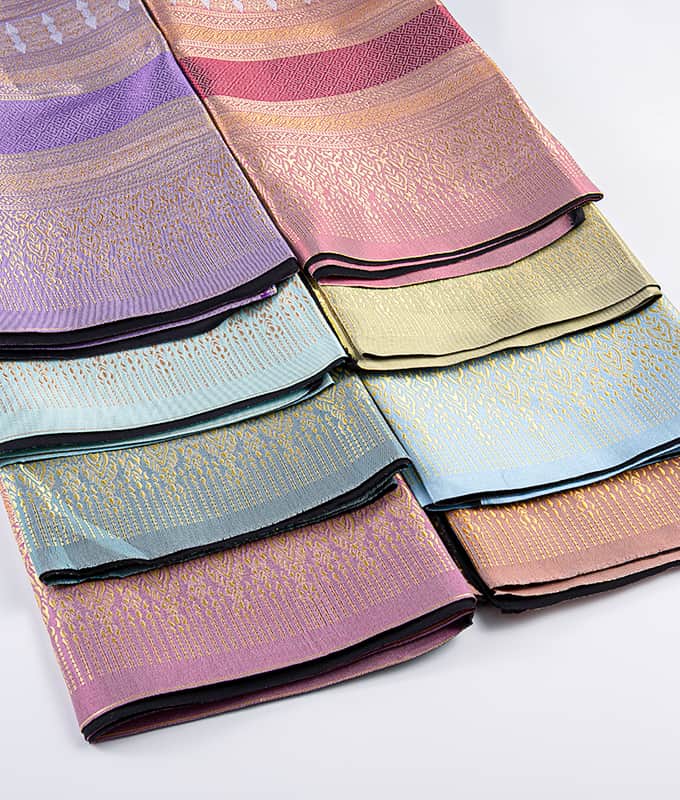
The Polyester Fabric for Popular Traditional Thai Sarong is crafted from carefully selected polyester filaments, with strict quality control from the ...
See Details -
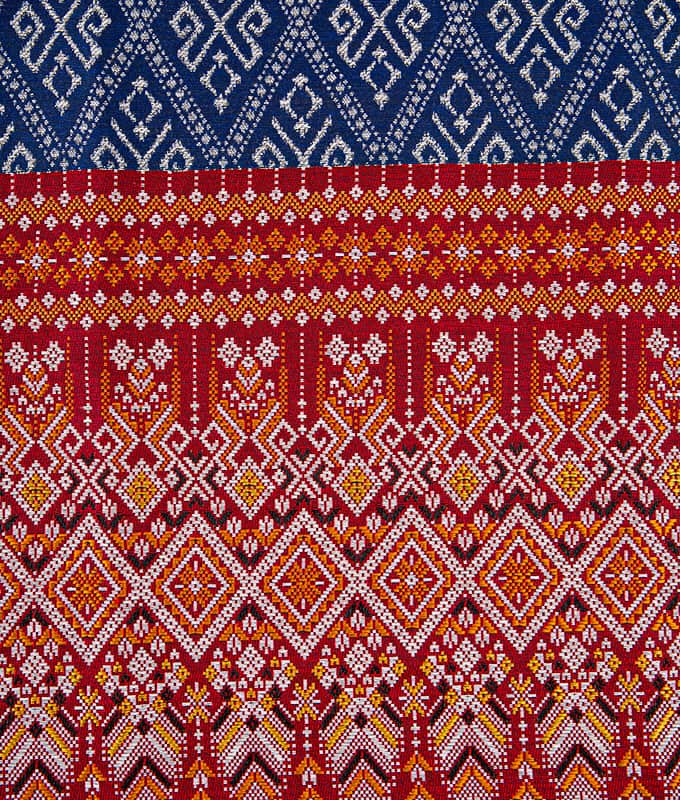
Hand-Stitched Style Poly-Cotton Fabric for Sarong— a refined blend of style and practicality, crafted to give tube skirts a smooth texture and a well-...
See Details -
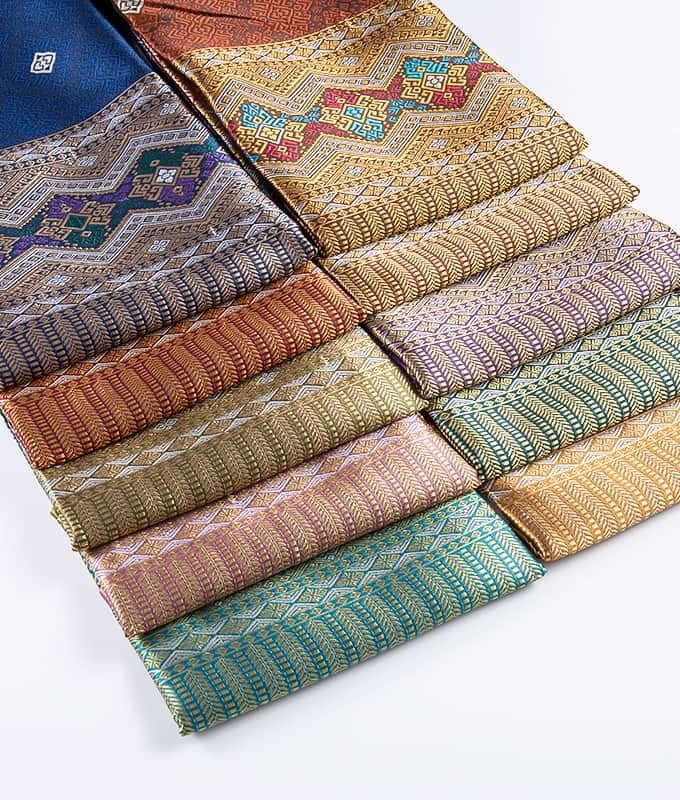
The Polyester Fabric for Traditional Southeast Asian Sarong Skirt bridges heritage and modernity. Rooted in cultural traditions, this fabric revitaliz...
See Details -
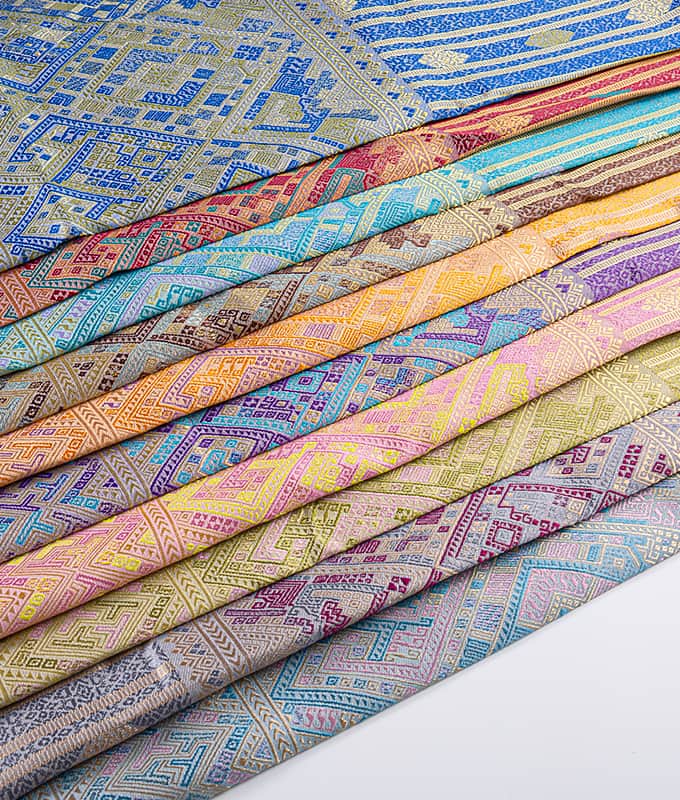
Hollow Polyester Jacquard Fabric for Laotian Traditional Sarong — a perfect fusion of Lao cultural heritage and modern fiber innovation. With symbolic...
See Details -
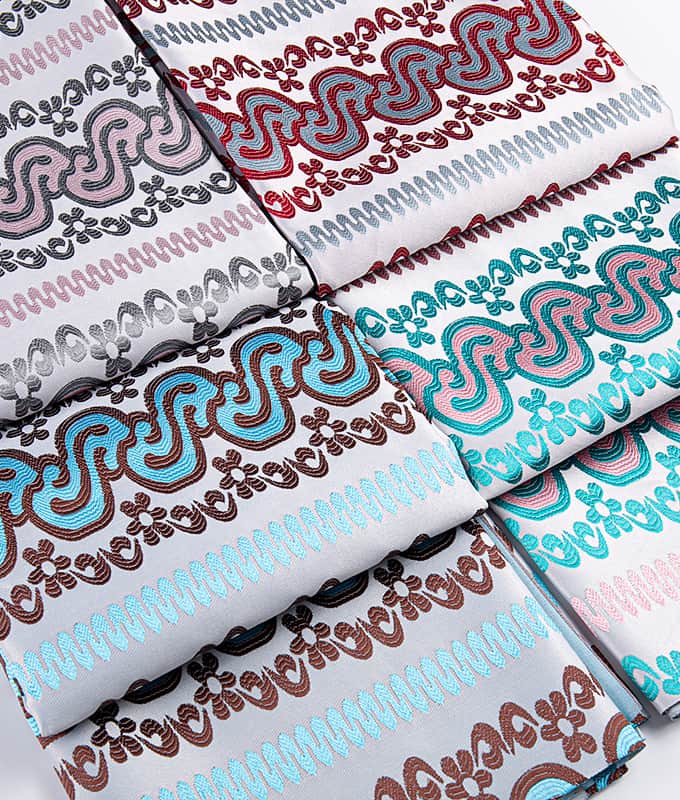
The S-Shaped 3D Textured Polyester Jacquard Fabric for Sarong combines elegance with durability. Crafted with advanced electronic jacquard technology,...
See Details

