


 English
  عربى
عربى  中文简体
中文简体 Sunflower Print Poly-Cotton Fabric for Sarong — a vibrant fabric inspired by sunflowers, radiating energy and brightness. Made with soft poly-cotton, ...
See DetailsIs Rayon Cooler Than Cotton? Rayon Sarong Fabric Guide
Industry News-Content
- 1 The Short Answer: Rayon Feels Cooler, But Cotton Breathes Better
- 2 What Makes a Rayon Sarong Feel So Cool
- 3 How Cotton Sarongs Handle Heat Differently
- 4 Rayon vs. Cotton Sarong: Side-by-Side Comparison
- 5 When a Rayon Sarong Is the Better Choice
- 6 When a Cotton Sarong Is the Smarter Pick
- 7 Care Tips That Affect How Cool Your Sarong Stays
- 8 The Verdict for Sarong Shoppers
The Short Answer: Rayon Feels Cooler, But Cotton Breathes Better
If you're choosing a fabric for a sarong, here's the bottom line: rayon feels cooler against your skin in dry heat, but cotton outperforms it in breathability and moisture management during intense activity or high humidity. For a lightweight beach sarong worn loosely, rayon often wins on the comfort and feel front. For an active wrap you'll wear while sweating, cotton holds a practical edge.
Neither fabric is universally "cooler" — it depends on the environment, how you're wearing the sarong, and what the fabric is doing with your body heat and sweat.
What Makes a Rayon Sarong Feel So Cool
Rayon, also sold as viscose, is a semi-synthetic fiber made from processed wood pulp cellulose. Its structure creates a smooth, flat surface that sits lightly against the skin and reflects rather than traps body heat. This is why a rayon sarong often feels immediately cool to the touch when you first put it on.
Key properties that make rayon sarongs feel refreshing include:
- Low thermal conductivity — rayon draws heat away from the skin surface quickly in low-humidity conditions.
- Lightweight drape — most rayon sarongs weigh significantly less than cotton equivalents, reducing fabric contact with the skin.
- Smooth texture — less friction against skin compared to loosely woven cotton, which can feel coarse when damp.
- High absorbency — rayon can absorb up to 50% more moisture than cotton by weight, pulling sweat away from skin initially.
However, that high absorbency is also rayon's weakness. Once saturated, rayon holds moisture close to the body rather than wicking it outward, which can make you feel clammy in very humid conditions.
How Cotton Sarongs Handle Heat Differently
Cotton is a natural cellulose fiber with a more complex, irregular fiber structure than rayon. This irregularity creates small air channels within the weave that allow heat to escape and air to circulate — the core of what breathability actually means in fabric science.
In a loosely woven cotton sarong, this means:
- Air moves through the fabric, carrying heat away from the body even when you're not moving.
- Moisture evaporates from the fabric surface more efficiently, providing an evaporative cooling effect.
- Even when wet, cotton continues to allow airflow, whereas wet rayon tends to cling to the skin.
A study from the Cotton Incorporated Lifestyle Monitor found that over 70% of consumers rate cotton as their preferred fabric in hot weather, primarily because of how it handles sweat over time. For sarong wearers doing anything more than lounging — walking a beach market, sitting in a humid open-air restaurant — cotton sustains its cooling effect longer through a day.
Rayon vs. Cotton Sarong: Side-by-Side Comparison
The table below compares the two fabrics across the factors that matter most when choosing a sarong for warm weather use.
| Factor | Rayon Sarong | Cotton Sarong |
|---|---|---|
| Initial cool feel | Excellent | Good |
| Breathability | Moderate | Excellent |
| Moisture wicking | Absorbs fast, evaporates slowly | Absorbs and evaporates steadily |
| Performance in humidity | Can feel clingy when wet | Holds up better |
| Weight and drape | Lighter, silkier | Heavier, more structured |
| Durability with washing | Lower (weakens when wet) | Higher |
| Print vibrancy | Very vibrant, rich colors | Good, may fade faster |
| Eco-friendliness | Mixed (chemical processing involved) | Better (especially organic cotton) |
When a Rayon Sarong Is the Better Choice
A rayon sarong makes practical sense in specific situations where its strengths outweigh its moisture limitations:
- Dry tropical or desert beach climates — places like the Algarve coast, Bali in the dry season, or Red Sea resorts where humidity stays low and rayon's surface cooling effect holds throughout the day.
- Fashion-forward beach wraps — rayon takes dye exceptionally well, producing the bold batik and tie-dye prints associated with Balinese sarongs. If the print matters as much as the practicality, rayon delivers.
- Lightweight travel packing — a rayon sarong compresses smaller and weighs less than a cotton equivalent of the same size, making it easier to tuck into a carry-on.
- Poolside or resort lounging — when you're not sweating heavily and simply want something that feels luxurious against skin, rayon's silky texture is genuinely pleasant.
When a Cotton Sarong Is the Smarter Pick
Cotton earns its place as the practical everyday sarong fabric in these conditions:
- High-humidity tropical destinations — Southeast Asian rainforest coasts, Caribbean beaches in summer, or anywhere the air itself is saturated. Cotton's breathability prevents that trapped, clammy feeling rayon can develop.
- Active beach days — beach volleyball, walking long stretches, or any activity where sustained sweat output is likely.
- Frequent washing — cotton sarongs survive machine washing far better. Rayon weakens significantly when wet and can shrink or distort with repeated washing.
- Use as a beach towel alternative — a cotton sarong genuinely absorbs and dries you; a rayon sarong will absorb water but take far longer to dry itself afterward.
Care Tips That Affect How Cool Your Sarong Stays
Even the best fabric loses its comfort properties if cared for incorrectly. Here's what to keep in mind:
For Rayon Sarongs
- Hand wash in cool water or use a delicate machine cycle — rayon loses up to 50% of its tensile strength when wet, so rough machine washing causes premature breakdown of the fibers.
- Lay flat to dry rather than wringing or tumble drying, which distorts the shape.
- Avoid prolonged exposure to direct sunlight when stored — UV light degrades rayon faster than cotton.
For Cotton Sarongs
- Machine wash in cool to warm water to preserve color; hot water accelerates fading and shrinkage.
- Line drying maintains breathability better than tumble drying, which can compact the fibers over time.
- Salt and chlorine from ocean or pool water should be rinsed out promptly — both degrade cotton fiber strength over time.
The Verdict for Sarong Shoppers
If you want a sarong that looks stunning at a resort, packs light, and feels immediately silky and cool when you put it on, a rayon sarong is an excellent choice — just expect to care for it gently and accept that it may cling a bit if you get seriously sweaty.
If you want a sarong that works harder across a full beach day in humid heat, doubles as a towel, survives casual washing, and keeps you genuinely comfortable through sustained activity, a cotton sarong is the more reliable performer.
Many experienced beach travelers carry both: a rayon sarong for evenings and resort wear, and a cotton one for active daytime use. At the price point most sarongs are sold — typically between $10 and $35 — owning one of each is an easy call.
Related products
-
-
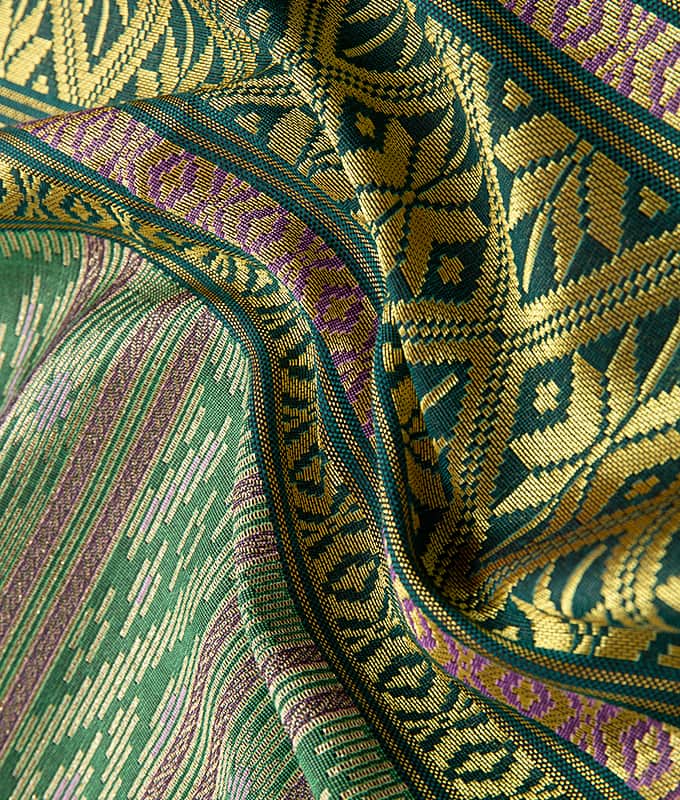
The Vertical Stripe Gold Thread Poly-Cotton Fabric for Sarong blends durability and comfort with a touch of elegance. Featuring vertically arranged go...
See Details -
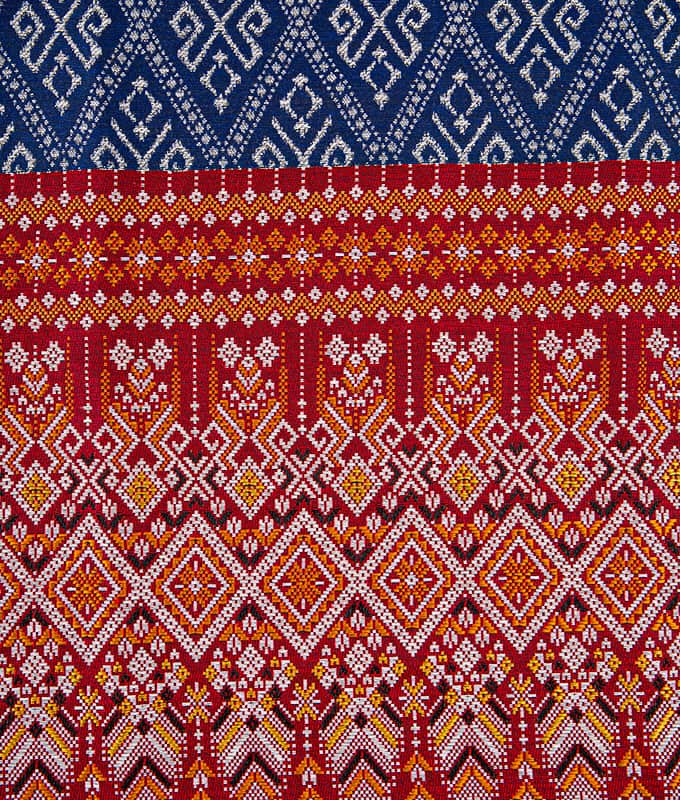
Hand-Stitched Style Poly-Cotton Fabric for Sarong— a refined blend of style and practicality, crafted to give tube skirts a smooth texture and a well-...
See Details -
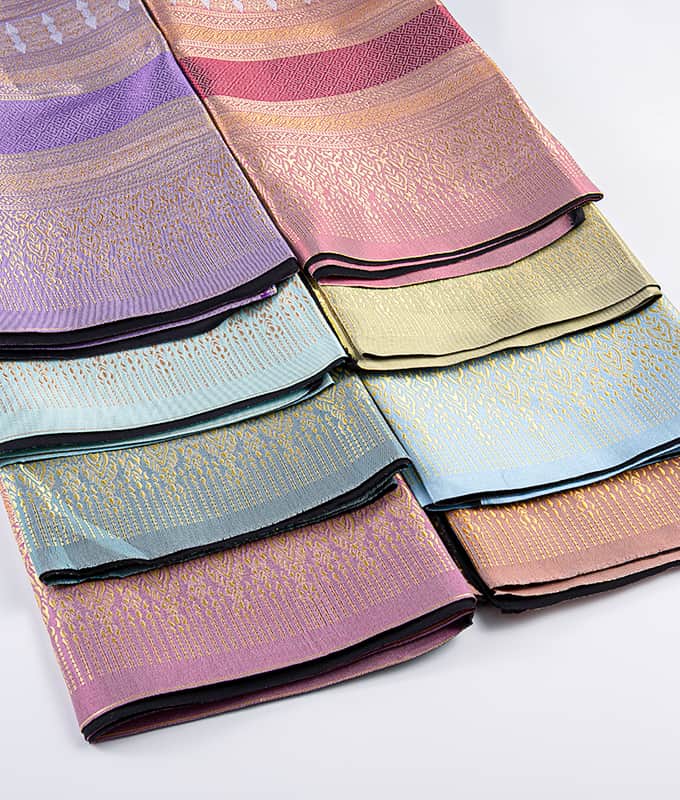
The Polyester Fabric for Popular Traditional Thai Sarong is crafted from carefully selected polyester filaments, with strict quality control from the ...
See Details -
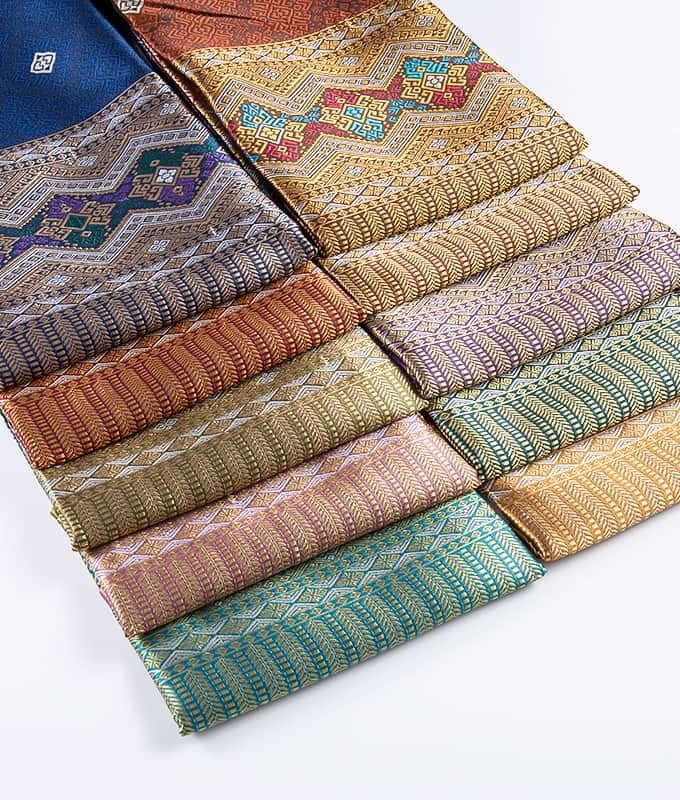
The Polyester Fabric for Traditional Southeast Asian Sarong Skirt bridges heritage and modernity. Rooted in cultural traditions, this fabric revitaliz...
See Details -
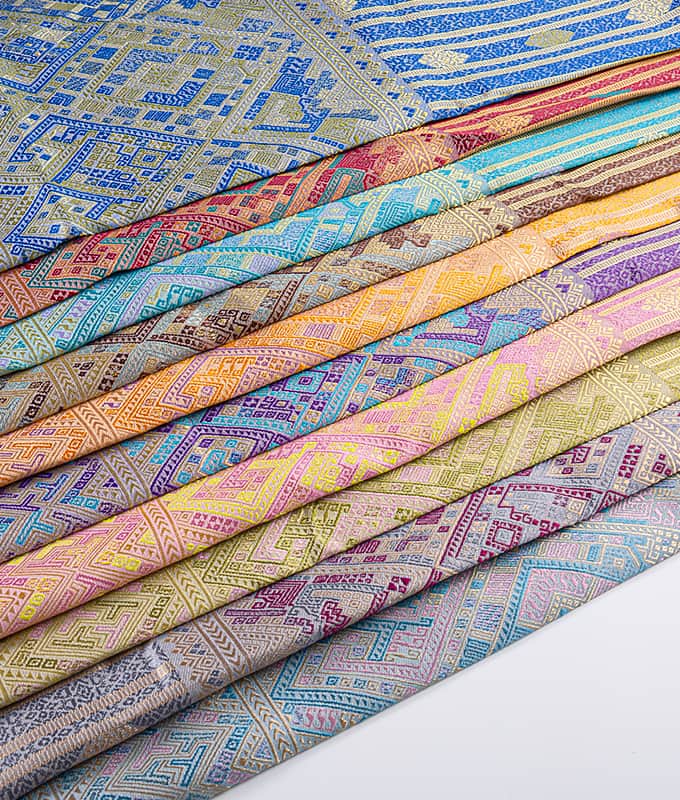
Hollow Polyester Jacquard Fabric for Laotian Traditional Sarong — a perfect fusion of Lao cultural heritage and modern fiber innovation. With symbolic...
See Details

