


 English
  عربى
عربى  中文简体
中文简体 Sunflower Print Poly-Cotton Fabric for Sarong — a vibrant fabric inspired by sunflowers, radiating energy and brightness. Made with soft poly-cotton, ...
See DetailsHow to Use a Sarong Buckle: Step-by-Step Guide
Industry News-Content
- 1 What a Sarong Buckle Is (and Why It Works Better Than Knotting)
- 2 How to Use a Sarong Buckle: Step-by-Step
- 3 Buckle Type Comparison: Which Works Best for Each Style
- 4 Common Mistakes and How to Fix Them
- 5 How to Attach a Buckle to a Sarong That Doesn't Have One
- 6 Fabric Types and How They Interact With Buckles
- 7 Quick Reference: Sarong Buckle Uses by Style
- 8 Final Tips for a Secure, Comfortable Fit
A sarong buckle lets you secure a sarong without tying knots — you thread the fabric through the buckle, pull snug, and fold the end over to lock it in place. It takes about 10 seconds and holds far more reliably than most hand-tied methods, especially during active movement like swimming or walking on the beach.
Sarong buckles (also called pareo clips or wrap clasps) come in several forms — ring buckles, slide buckles, and O-ring styles — but the core technique is the same across all of them. Below is everything you need to use one correctly, including style-specific instructions and tips to avoid the most common mistakes.
What a Sarong Buckle Is (and Why It Works Better Than Knotting)
A sarong buckle is a small fastening device — typically made from metal, plastic, or resin — designed to grip two layers of sarong fabric together. Unlike a knot, which distorts the fabric and can be difficult to undo when wet, a buckle applies even tension and releases cleanly with a single motion.
In a 2022 survey of beachwear users, over 68% said their sarong had come undone at least once while wearing it — almost always because of a slipped knot. Buckles solve this problem directly.
Common buckle types you'll encounter:
- Ring buckle (single or double ring): Two metal or resin rings; you loop the fabric through both, then back through one to lock.
- Slide buckle (rectangular frame): Fabric threads through a center bar; tension holds it in place.
- O-ring clip: A single ring with a hinged opening; you pass the corner of the sarong through and close the ring.
- Toggle/button buckle: A decorative button or toggle that loops through a fabric eyelet or wrapped loop.
How to Use a Sarong Buckle: Step-by-Step
The method below works for the most common style — a double-ring or slide buckle used to wrap a sarong around the waist or chest.
Basic Waist Wrap (Skirt Style)
- Hold the sarong horizontally behind your back at hip level, with one short edge in each hand.
- Bring both ends forward to your front center. The sarong should wrap snugly around your hips — not your waist.
- Thread the right-hand edge through both rings of the buckle (or through the outer slot of a slide buckle).
- Loop the fabric back over the center bar or through just the second ring, creating a fold.
- Pull the end firmly downward until there's no slack. The fabric should grip against itself inside the buckle.
- Tuck the remaining tail flat against the wrap or let it drape naturally as a decorative fold.
Key tip: The buckle should sit at your hip bone, not your navel. Placing it too high causes the fabric to slip downward under its own weight.
Chest Wrap (Dress or Strapless Style)
- Hold the sarong horizontally across your chest, just above the bust line.
- Wrap both ends around to your back, cross them once (like the start of a bow tie), and bring them back to front.
- Thread one end through the buckle as described above, pulling snug across the chest.
- Position the buckle at the side of your chest (under the arm) rather than front-center — this prevents it from pressing uncomfortably when you move.
Shoulder or Halter Style
- Gather two corners of the sarong — one from each short end — and bring them over one shoulder.
- Thread both gathered corners through the buckle simultaneously so the fabric fans out below.
- Adjust the buckle height so it rests comfortably at the collarbone or upper chest.
- Let the remaining fabric fall diagonally across the body as a one-shoulder wrap.
Buckle Type Comparison: Which Works Best for Each Style
| Buckle Type | Best Wrap Style | Fabric Weight | Hold Strength |
|---|---|---|---|
| Double Ring | Waist skirt, chest wrap | Light to medium | 4 |
| Slide Buckle | Waist, adjustable fit | Light to heavy | 5 |
| O-Ring Clip | Shoulder, halter | Light (chiffon, rayon) | 3 |
| Toggle/Button | Decorative front tie | Medium (cotton, linen) | 3 |
Common Mistakes and How to Fix Them
Most sarong buckle failures come down to a few predictable errors. Here's what goes wrong and how to correct it:
The Sarong Slides Down
Cause: The buckle is placed too high, or the fabric wasn't pulled tight enough before locking.
Fix: Re-thread with the buckle positioned at the hip bone. Pull the tail end firmly downward (not outward) when locking — downward tension increases friction inside the buckle.
The Buckle Keeps Flipping or Rotating
Cause: Too much loose fabric fed through the buckle, or buckle size is too large for the fabric weight.
Fix: Use a smaller buckle (25mm works well for standard sarong fabric), and gather the fabric into a narrower band before threading. A gathered width of about 5–7 cm feeds through most buckles cleanly.
The Fabric Bunches Unevenly
Cause: The fabric wasn't spread flat before wrapping, or the buckle was attached to a folded section rather than a flat edge.
Fix: Before threading, smooth the sarong against your body and make sure the hemmed edge (not a folded middle section) is what you feed through the buckle. The hemmed edge gives a cleaner line.
Buckle Marks or Irritates the Skin
Cause: Metal buckle placed directly over a pressure point (e.g., hip bone or sternum).
Fix: Reposition the buckle to sit slightly off-center or to the side. Resin and plastic buckles are also more comfortable against skin than bare metal — worth considering if you wear the sarong for extended periods.
How to Attach a Buckle to a Sarong That Doesn't Have One
Most sarongs don't come with a built-in buckle. You have two practical options:
- Clip-on ring buckle: A ring buckle with a small sewn loop or safety-pin backing can be attached to one corner of the sarong in under a minute. No sewing required. These are sold as "pareo rings" or "sarong clips" on most beachwear sites for $3–8.
- Sew-on buckle: A slide buckle can be hand-stitched onto one short edge of the sarong with about 10 stitches using a needle and thread. This creates a permanent, clean attachment that won't shift during use.
If you don't want to modify the sarong at all, a standalone ring buckle can be used as a free-floating clasp: hold both ends of the sarong together, thread them both through the buckle simultaneously, and use the buckle as a gather point. This works well for loose beach cover-up styles.
Fabric Types and How They Interact With Buckles
Not all sarong fabrics behave the same way in a buckle. This matters more than most people expect:
- Rayon and chiffon: Very slippery — use a slide buckle with a textured inner bar, or double the fabric before threading to increase friction.
- Cotton and cotton-linen blends: Grip well in almost any buckle. The most forgiving fabric for beginners.
- Silk: Similar to rayon — slips easily. Avoid O-ring clips with silk as the fabric can snag on the hinge. A smooth double ring is the safest choice.
- Knit/stretchy fabric: Stretchy sarongs need a buckle with a wider channel — narrow slide buckles will bunch the fabric uncomfortably.
Quick Reference: Sarong Buckle Uses by Style
| Wear Style | Buckle Position | Fabric Section to Thread | Recommended Buckle |
|---|---|---|---|
| Waist skirt | Hip bone, front or side | Short edge hem | Slide or double ring |
| Chest/strapless dress | Under arm, side chest | Short edge hem | Slide buckle |
| Halter / shoulder wrap | Collarbone or upper chest | Two gathered corners | O-ring or double ring |
| Front-tie cover-up | Navel to lower waist | Two short edges together | Toggle or double ring |
Final Tips for a Secure, Comfortable Fit
- Always do a movement test before heading out — take a few large steps and a side bend. If the buckle shifts, re-thread with more downward tension.
- For wet conditions (pool, beach), slightly over-tighten the buckle when dry. Wet fabric becomes heavier and tends to slip.
- If your buckle is purely decorative and not holding weight (like an accent at the neckline), a simple O-ring is the most elegant option and least likely to catch on anything.
- Metal buckles can tarnish in saltwater. After beach use, rinse and dry them. Brass and stainless steel hold up significantly better than zinc alloy in coastal conditions.
- A 25mm buckle is the most versatile size — it works with most sarong fabrics and thicknesses without requiring excessive gathering.
Related products
-
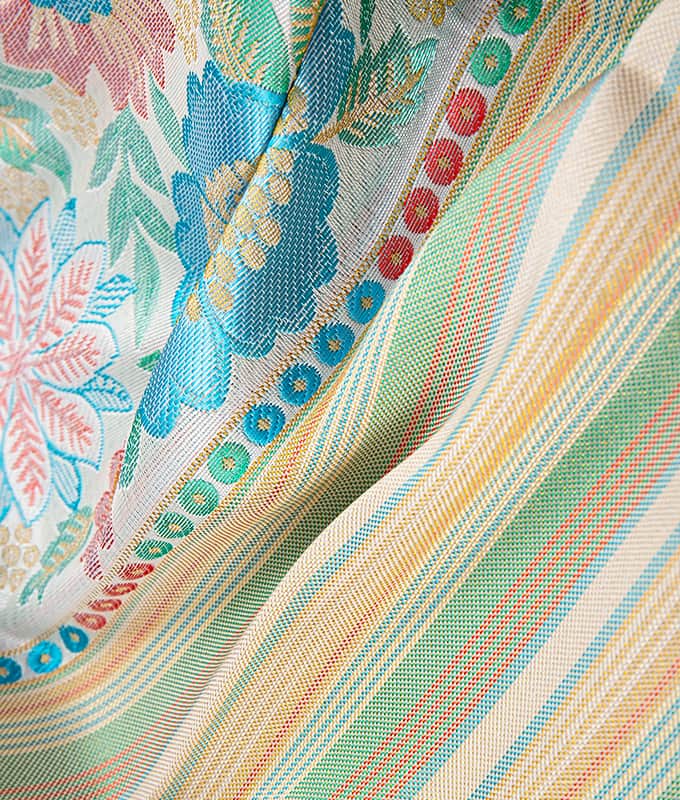
-
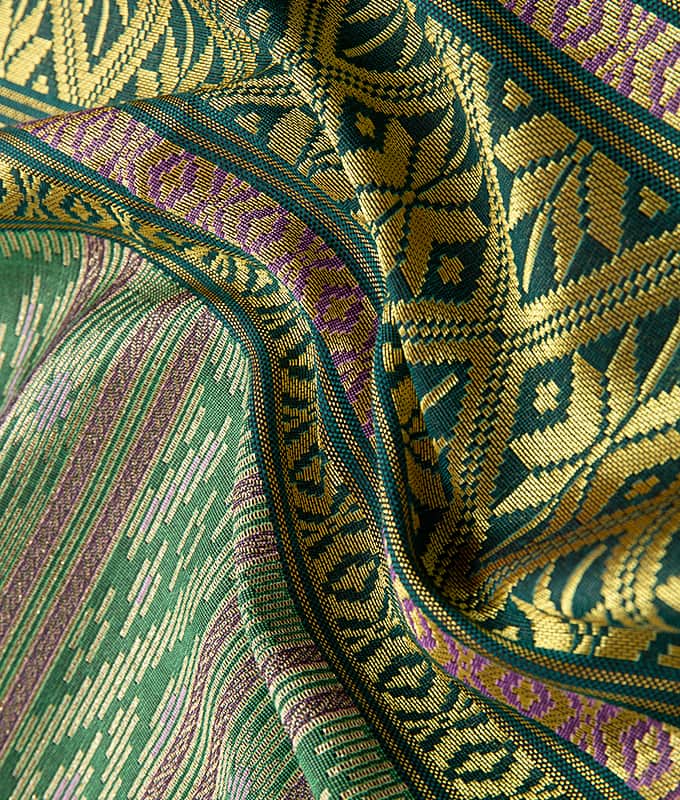
The Vertical Stripe Gold Thread Poly-Cotton Fabric for Sarong blends durability and comfort with a touch of elegance. Featuring vertically arranged go...
See Details -
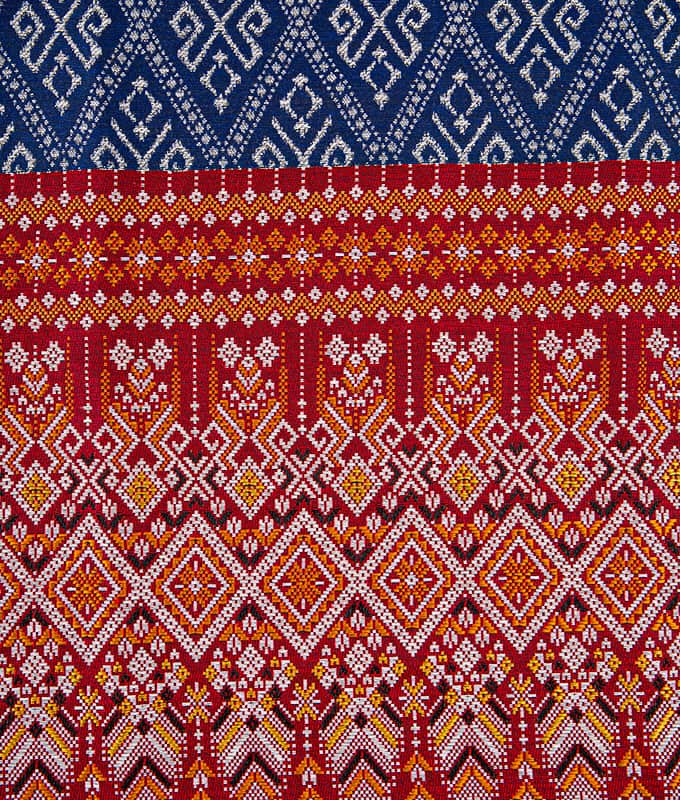
Hand-Stitched Style Poly-Cotton Fabric for Sarong— a refined blend of style and practicality, crafted to give tube skirts a smooth texture and a well-...
See Details -
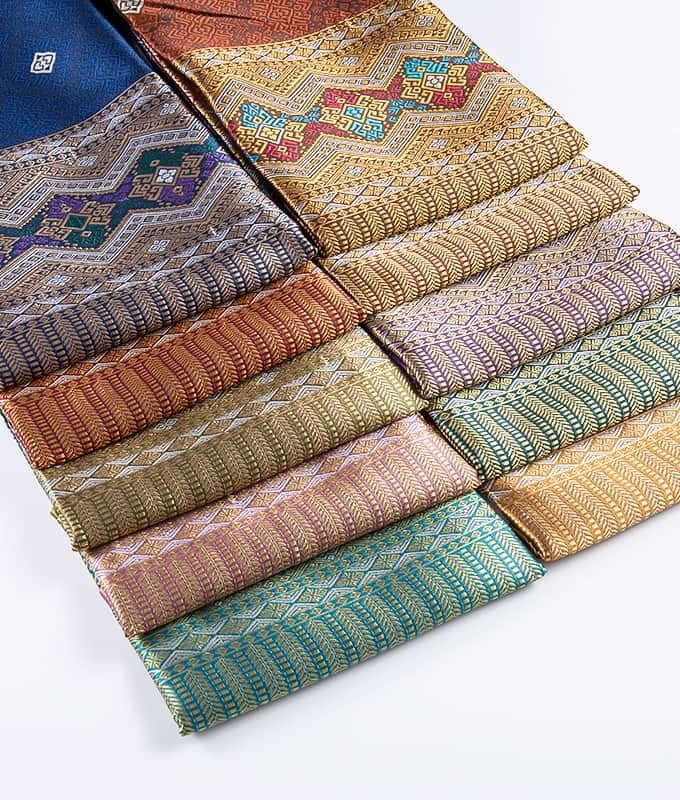
The Polyester Fabric for Traditional Southeast Asian Sarong Skirt bridges heritage and modernity. Rooted in cultural traditions, this fabric revitaliz...
See Details -
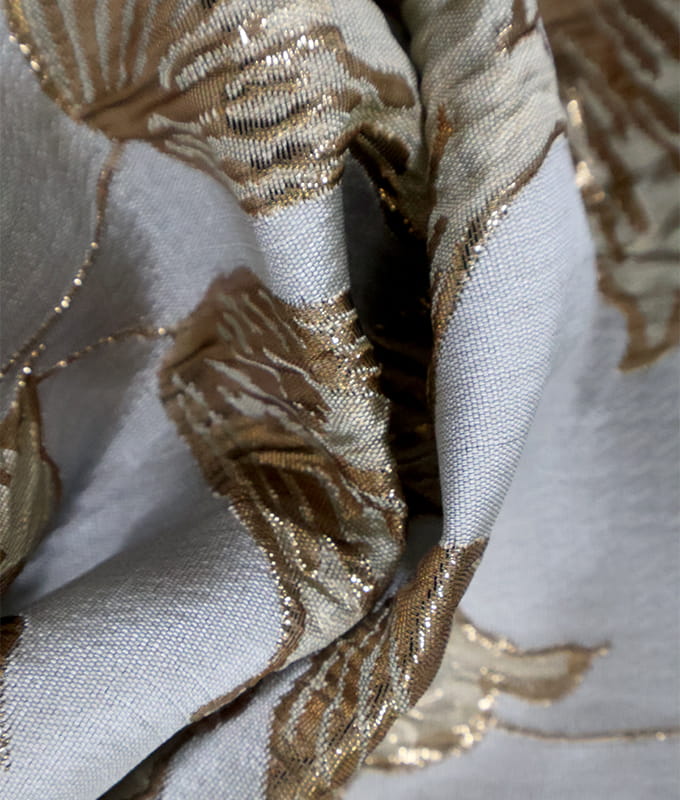
Duotone Tulip Gold-thread Jacquard Fabric is woven with a clearly layered, dimensional tulip leaf motif using jacquard construction, featuring a strik...
See Details -
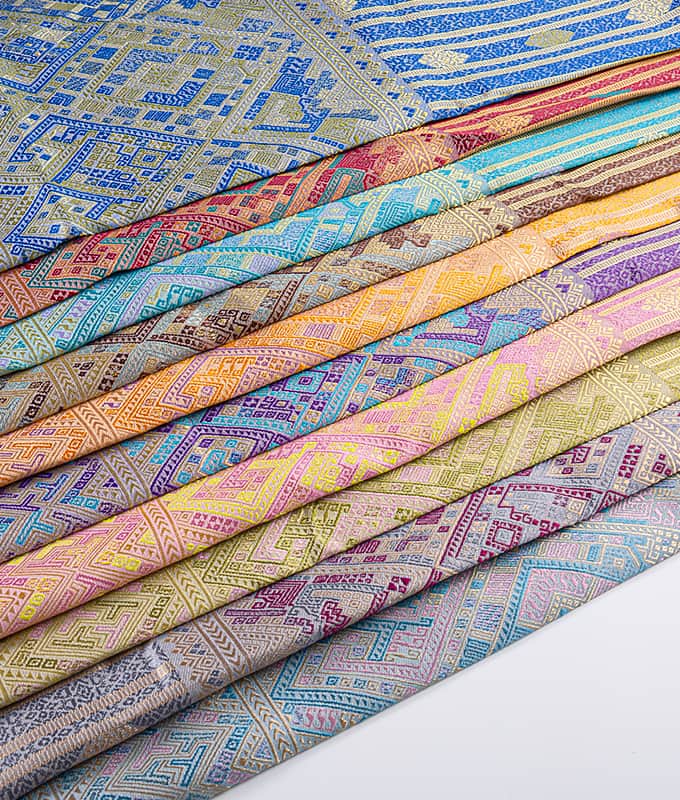
Hollow Polyester Jacquard Fabric for Laotian Traditional Sarong — a perfect fusion of Lao cultural heritage and modern fiber innovation. With symbolic...
See Details

