


 English
  عربى
عربى  中文简体
中文简体 The Polyester Fabric for Traditional Southeast Asian Sarong Skirt bridges heritage and modernity. Rooted in cultural traditions, this fabric revitaliz...
See DetailsSoutheast Asia National Traditional Sarong Fabric Guide
Industry News-Content
- 1 What counts as “sarong fabric” in Southeast Asia
- 2 The three cornerstone “national traditional sarong fabrics”
- 3 How to identify authentic sarong fabric vs. tourist prints
- 4 Country-specific examples that map to “national traditional” usage
- 5 Buying checklist: choose the right fabric for heat, ceremony, and budget
- 6 Care and storage: keep traditional sarong fabric wearable for years
- 7 Bottom line: the best “national traditional sarong fabric” choice
The “national traditional sarong fabric” across Southeast Asia is best understood as a family of wrap textiles—most commonly sarong-length cloths made in signature techniques like batik, ikat, and songket, each tied to specific countries, ceremonies, and weaving communities. Indonesian batik, for example, is formally recognized by UNESCO as intangible cultural heritage (inscribed in 2009). :contentReference[oaicite:0]{index=0}
What counts as “sarong fabric” in Southeast Asia
In Southeast Asia, “sarong” can mean either a tubular garment or a rectangular cloth wrapped and secured at the waist. The fabric is often decorated using batik or ikat methods, or woven as brocade-like luxury cloth (songket). :contentReference[oaicite:1]{index=1}
Practical sizing you’ll actually see in shops
Sizes vary by country and garment style, but these real-world references help you buy correctly:
- Myanmar longyi: about 2 m long and 80 cm wide, commonly sewn into a cylinder. :contentReference[oaicite:2]{index=2}
- Cambodian sampot chang kben (a wrapped, trouser-like drape): cited as a rectangular cloth about 3 m long and 1 m wide. :contentReference[oaicite:3]{index=3}
- Southern Philippines malong: described as about 4 yards long and ~50 inches high (often tubular). :contentReference[oaicite:4]{index=4}
The three cornerstone “national traditional sarong fabrics”
If you want a high-confidence, culturally grounded match to “Southeast Asia national traditional sarong fabric,” these are the three techniques you’ll encounter most often across countries and formal wear contexts.
| Fabric / technique | How it’s made | Visual cue | Best use case |
|---|---|---|---|
| Batik | Wax-resist dyeing on cloth; deep motif symbolism | Crisp motif edges; repeating symbolic patterns | Daily wear to ceremonies; iconic in Indonesia |
| Ikat | Resist-dyeing on yarns before weaving | Soft “blurred” or feathered pattern edges | Durable wrap cloths; heritage weaving across the region |
| Songket | Handwoven with supplementary weft using metallic threads | Shimmering gold/silver motifs (brocade effect) | Weddings, state occasions, formal attire (Malay world) |
Indonesian batik is internationally recognized by UNESCO for its techniques, symbolism, and cultural role (inscribed in 2009). :contentReference[oaicite:5]{index=5} Ikat is widely described as a Southeast Asian-origin resist-dye method applied to yarns prior to weaving, producing its characteristic softened pattern boundaries. :contentReference[oaicite:6]{index=6} Songket is consistently defined as a handwoven textile with gold or silver threads, historically spread across the Malay world (including Indonesia, Malaysia, Brunei). :contentReference[oaicite:7]{index=7}
How to identify authentic sarong fabric vs. tourist prints
You don’t need to be a textile expert—use a few high-signal checks that map directly to how these fabrics are made.
Batik: look for process “fingerprints,” not just motifs
- If a piece is marketed as heritage batik but the pattern looks perfectly uniform on both sides with no dye-depth variation, it may be a surface print rather than a resist-dyed cloth (batik is defined by technique and cultural practice, not just visual style). :contentReference[oaicite:8]{index=8}
- Ask for the technique: sellers who can describe wax-resist steps and motif meaning usually deal in higher-integrity work, consistent with UNESCO’s framing of batik as technique + symbolism + culture. :contentReference[oaicite:9]{index=9}
Ikat: the “blur” is a feature, not a flaw
Ikat’s hallmark is that yarns are resist-dyed before weaving, so the pattern alignment naturally creates slightly feathered edges; a perfectly sharp, pixel-like ikat motif can indicate digital printing. :contentReference[oaicite:10]{index=10}
Songket: confirm metallic thread weaving, not metallic ink
Songket is described as a handwoven fabric where metallic threads are inserted as supplementary weft, producing a true raised shimmer. If the shine disappears when you tilt it and the surface feels flat like ink, treat “songket” as a marketing label rather than a weaving structure. :contentReference[oaicite:11]{index=11}
Country-specific examples that map to “national traditional” usage
Southeast Asia is diverse, but some pairings are especially stable if you want “national traditional sarong fabric” examples for travel, gifting, or cultural wear.
- Indonesia: Batik is a nationally emblematic textile tradition recognized by UNESCO (2009). :contentReference[oaicite:12]{index=12}
- Myanmar: The longyi (a sarong-like wrap) is widely worn; common reference sizing is ~2 m × 80 cm. :contentReference[oaicite:13]{index=13}
- Malay world (Malaysia / Brunei / parts of Indonesia): Songket is a signature ceremonial fabric woven with gold or silver threads. :contentReference[oaicite:14]{index=14}
- Cambodia: Traditional draped cloth systems include sampot forms; one documented example is a rectangular cloth ~3 m long and 1 m wide for sampot chang kben. :contentReference[oaicite:15]{index=15}
- Southern Philippines: The malong is a tubular garment; a referenced size is ~4 yards long and ~50 inches high. :contentReference[oaicite:16]{index=16}
Buying checklist: choose the right fabric for heat, ceremony, and budget
Use this as a practical decision tool when shopping in markets or online listings.
If you need an everyday sarong
- Choose breathable cotton or cotton-blend; prioritize comfortable width/length close to regional norms (e.g., longyi references around 2 m × 80 cm). :contentReference[oaicite:17]{index=17}
- For ikat, accept minor pattern “softness” as normal for yarn-resist weaving. :contentReference[oaicite:18]{index=18}
If you need a ceremonial / formal textile
- Pick songket when you want visible prestige—its defining feature is supplementary weft metallic threads (gold/silver). :contentReference[oaicite:19]{index=19}
- Pick culturally grounded batik when motif meaning matters; UNESCO specifically frames batik as technique + symbolism embedded in life events. :contentReference[oaicite:20]{index=20}
Quick quality questions to ask a seller
- Is it wax-resist dyed (batik), yarn-resist woven (ikat), or metallic-thread woven (songket)? :contentReference[oaicite:21]{index=21}
- What’s the exact size in cm or meters (don’t rely on “one size”)? Use references like ~2 m × 80 cm for longyi-type wraps. :contentReference[oaicite:22]{index=22}
- What fiber is it (cotton vs silk)? Songket is commonly described as silk or cotton with metallic threads. :contentReference[oaicite:23]{index=23}
Care and storage: keep traditional sarong fabric wearable for years
Traditional sarong fabric longevity depends on matching care to construction—especially for dyed surfaces (batik), yarn-dyed weaves (ikat), and metallic-thread structures (songket). :contentReference[oaicite:24]{index=24}
- For batik: avoid harsh detergents and prolonged direct sun; batik is defined by hand-applied resist and dyed cloth culture, so treat it as a dyed textile, not a “printed towel.” :contentReference[oaicite:25]{index=25}
- For ikat: hand-washing reduces abrasion on yarn-dyed patterning created before weaving. :contentReference[oaicite:26]{index=26}
- For songket: store folded with soft tissue or cloth layers to reduce snag risk on metallic threads inserted during weaving. :contentReference[oaicite:27]{index=27}
Bottom line: the best “national traditional sarong fabric” choice
If you need one high-credibility answer: choose Indonesian batik for the most widely recognized national traditional sarong fabric reference (UNESCO-inscribed in 2009), and choose songket or ikat when your goal is respectively formal prestige or heritage weaving identity across Southeast Asia. :contentReference[oaicite:28]{index=28}
Related products
-
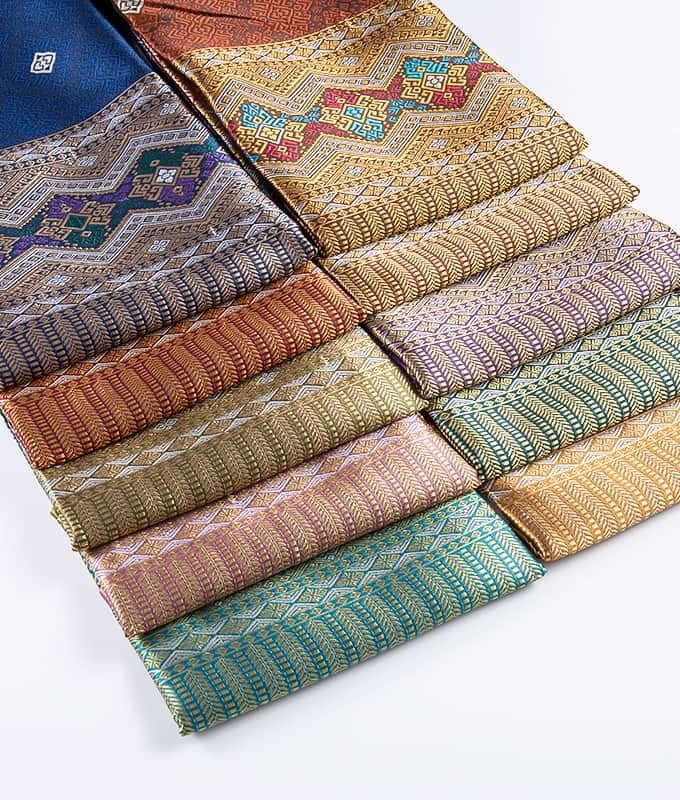
-
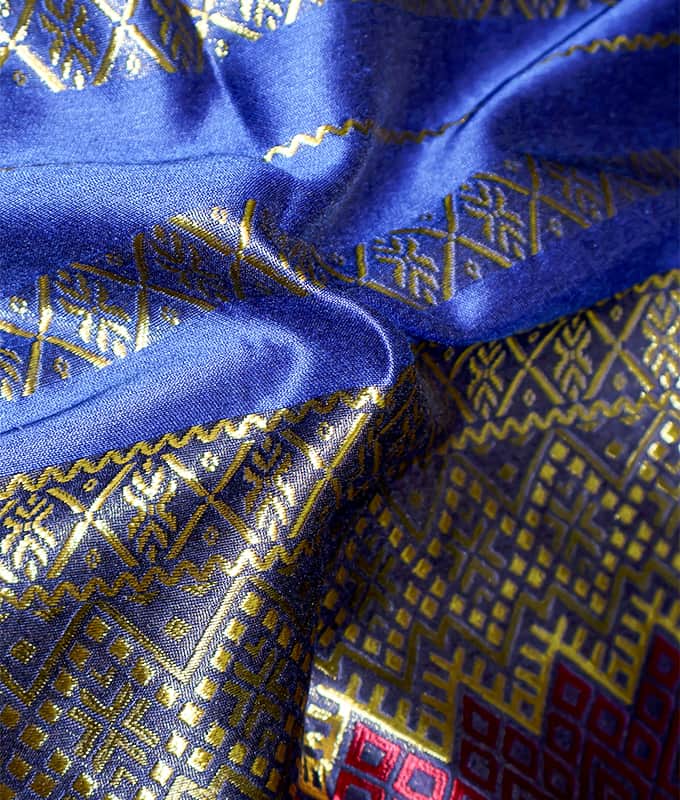
100% Polyester Jacquard Pattern Colorful Southeast Asian Sarong Fabric – durable, vibrant, and easy to care for, designed to bring both beauty and pra...
See Details -
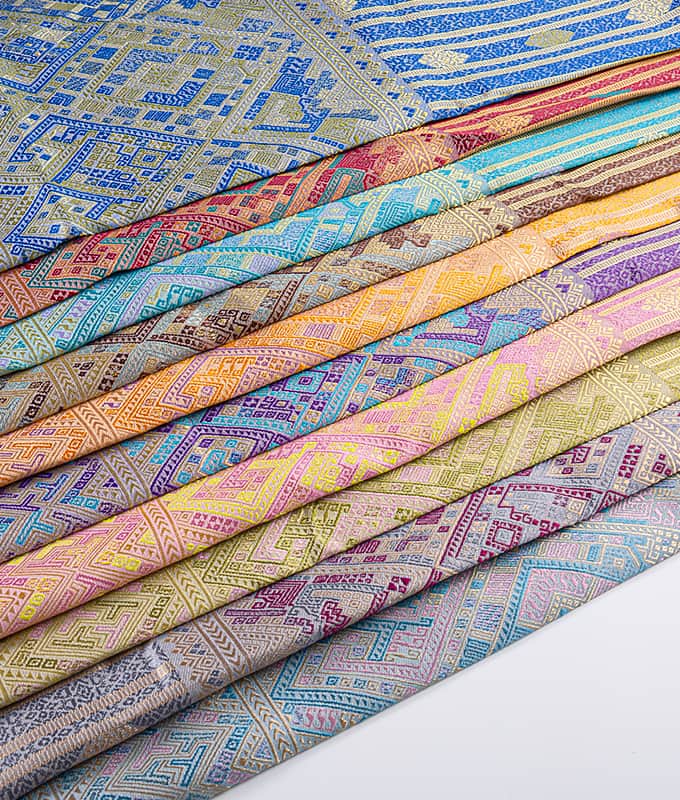
Hollow Polyester Jacquard Fabric for Laotian Traditional Sarong — a perfect fusion of Lao cultural heritage and modern fiber innovation. With symbolic...
See Details -
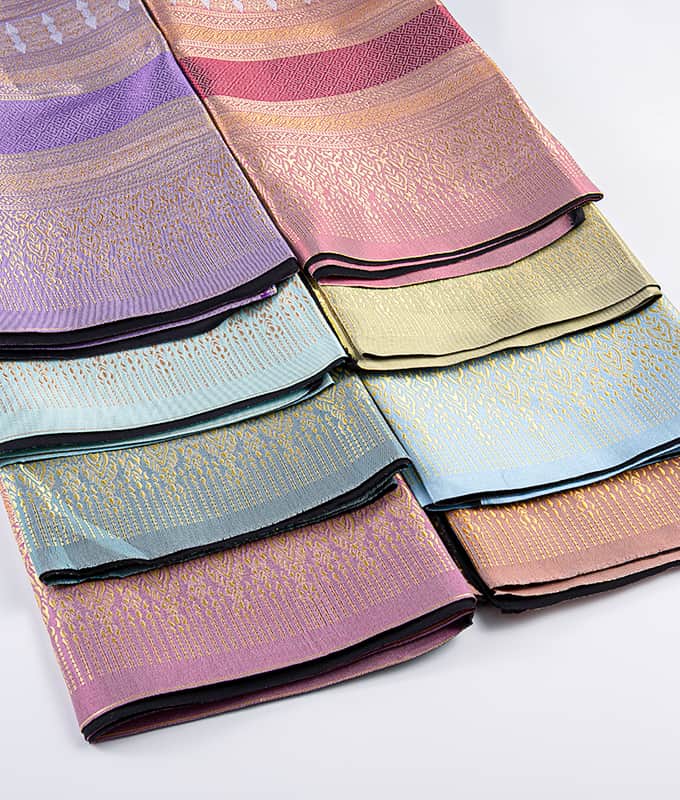
The Polyester Fabric for Popular Traditional Thai Sarong is crafted from carefully selected polyester filaments, with strict quality control from the ...
See Details -
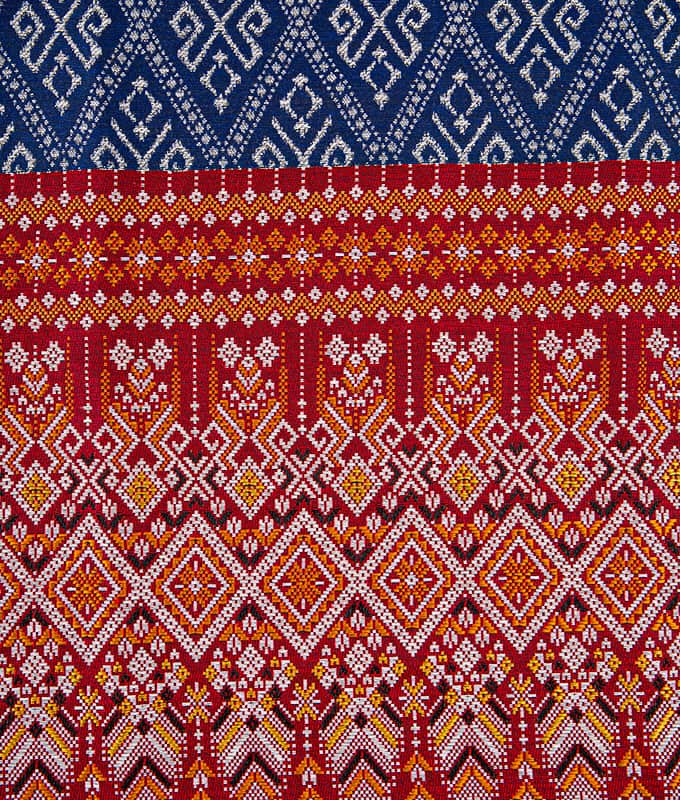
Hand-Stitched Style Poly-Cotton Fabric for Sarong— a refined blend of style and practicality, crafted to give tube skirts a smooth texture and a well-...
See Details -
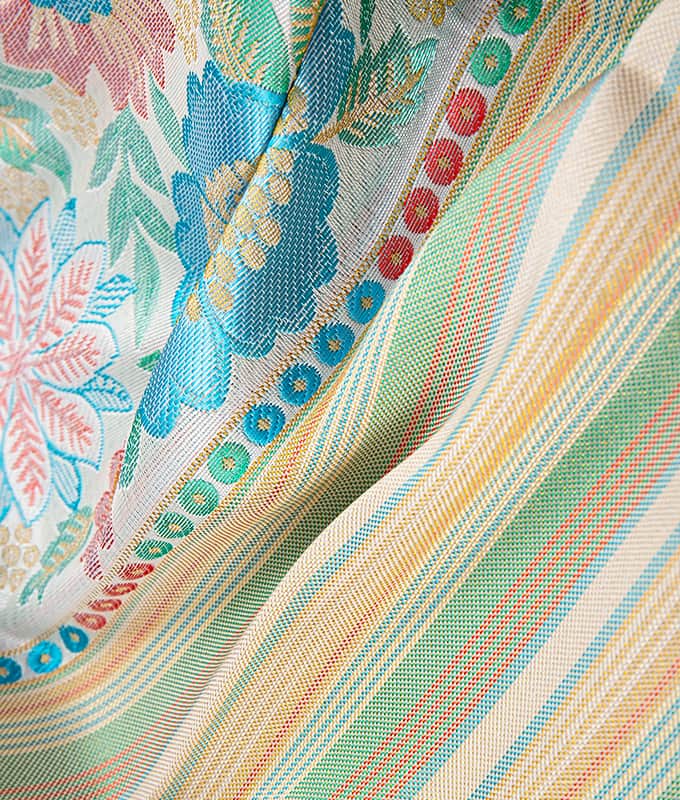
Sunflower Print Poly-Cotton Fabric for Sarong — a vibrant fabric inspired by sunflowers, radiating energy and brightness. Made with soft poly-cotton, ...
See Details

