


 English
  عربى
عربى  中文简体
中文简体 The Polyester Fabric for Traditional Southeast Asian Sarong Skirt bridges heritage and modernity. Rooted in cultural traditions, this fabric revitaliz...
See DetailsBorder Designs in Traditional Textiles: Types, Techniques, and Buying Guide
Industry News-Content
Border designs in traditional textiles are not just a finishing touch. They define the visual rhythm of a garment, carry cultural symbolism, and represent the craftsmanship of the weaver or printer. For wholesale buyers and apparel designers, the decision about which border to use often affects how a fabric performs in production and how it is received by customers. In this article, we look at the main families of border designs, how different cultures interpret them, and what you should check before ordering a traditional border fabric for your next collection.
What a Border Design in Textiles Actually Does
A border in textile design is a decorative strip that frames or encloses the central field of a woven or printed fabric. It can appear as a simple repeating line, a complex band of geometric motifs, or a combination of floral and symbolic elements. In traditional textiles, borders often serve several purposes: they define the edge of the fabric, support the central pattern, and communicate the cultural origin of the piece.
From a practical standpoint, the border also affects how much usable fabric you have. When cutting garment panels, a border can be aligned with the hem or collar, or it can be used as a decorative trim. If the border is not balanced or has a strong direction, it may require extra allowances for matching, which raises sewing costs. This is why designers should look beyond the visual appeal and consider repeat size, width, and symmetrical repeat when choosing a border design.
Key Types of Traditional Border Designs
Traditional border designs can be organized into a few recognizable families. The table below summarizes the most common ones and the settings where they appear.
| Type | Typical Motifs | Common Cultural Contexts | Application Notes |
|---|---|---|---|
| Geometric border | Chevrons, diamonds, zigzags, S-curves | Southeast Asian sarongs, African wax prints | Strong contrast, easy to align in production |
| Floral border | Lotus, sunflower, vines, leaves | Indian textiles, Thai Pha Sinh | Fine details, best produced by jacquard or screen print |
| Striped border | Vertical or horizontal lines, gold threads | Thai and Lao sarongs, Keffiyeh | Use a gold thread to add a premium feel; check yarn content |
| Plaid or houndstooth border | Checkered shapes, houndstooth, crosshatch | Middle Eastern Keffiyeh, Southeast Asian cotton sarongs | Suggests a traditional, casual feel; works well with cotton or polycotton |
When you order geometric or striped borders, the repeat width and direction must be specified precisely. A small mistake in pattern registration can lead to mismatched parts on the final garment.
How Different Cultures Interpret Border Motifs
Different regions have developed distinctive border languages. In Southeast Asia, Thai and Lao sarongs often feature repeating floral or geometric borders that frame the body of the fabric. The so-called Pha Sinh style commonly uses a vertical stripe or a broad border with a gold thread, giving the fabric a ceremonial look. On the Chinese Dai side, similar motifs can be found in the traditional tube skirts, emphasizing a high level of craftsmanship.
For the Middle East, the keffiyeh or shemagh has its own border tradition. A houndstooth or a small repeating check, sometimes accented with a gold or woven plaid line, creates a recognizable edge. Cotton versions tend to be softer and more breathable, while polyester versions offer easier maintenance and lower cost. The choice between these materials affects how the border feels and how well it survives repeated washing.
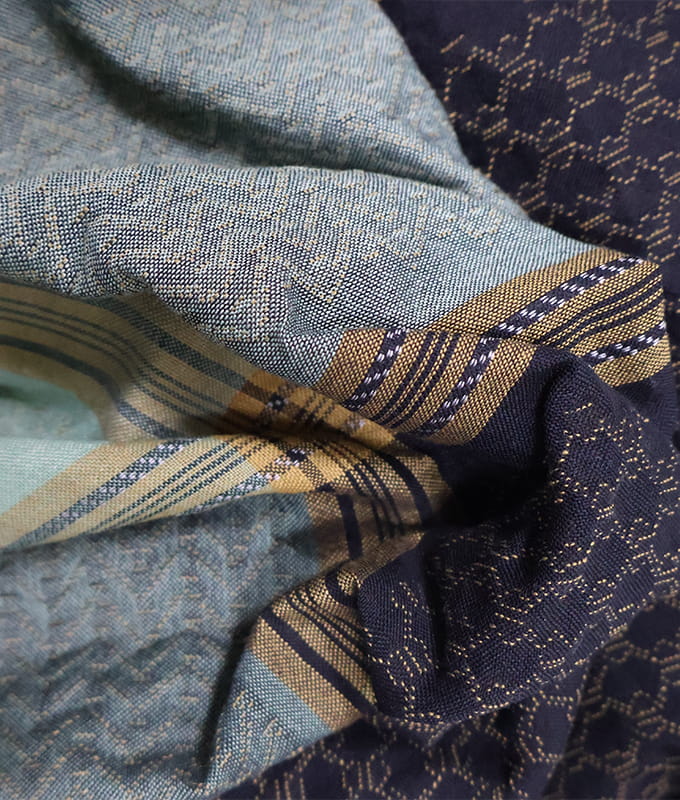 Sage Green & Navy Houndstooth Keffiyeh with Gold Plaid BorderThis oversized Arabic-style scarf combines two distinct woven patterns in a single panel, offering a contemporary twist on the traditional keffiyeh silhouette. One hal...View Product →
Woven vs. Printed Borders: What Buyers Need to Know
Two main methods produce a border on fabric: weaving and printing. Each has distinct consequences for durability, cost, and visual depth.
Woven borders are created by interlacing warp and weft threads, including extra threads that form the design. In jacquard weaving, each warp end can be controlled individually, allowing complex motifs and curved lines to appear directly in the fabric. This technique produces a border that is part of the fabric itself, so it does not wash off or crack. It also gives the design a subtle raised texture. You can learn more about this process in our introduction to jacquard fabric.
Printed borders apply color to a finished fabric. The process is usually faster and less expensive for short runs. However, a printed border may fade with repeated washings unless the ink and fixation are of high quality. For garments exposed to sun or frequent laundering, a woven border is often a safer long-term choice.
| Criterion | Woven Jacquard Border | Printed Border |
|---|---|---|
| Durability | High; design is in the fabric | Lower; print can fade |
| Surface texture | Slightly textured | Smooth |
| Color fastness | Dependent on yarn quality | Dependent on dye/ink |
| Minimum order | Usually higher | Lower |
| Cost per meter | Higher | Lower |
For traditional sarong fabrics, a woven jacquard border adds the most authentic feel. The polyester jacquard sarong line at Zhengyan Textile offers a range of colorful motifs and even a silklike finish for special occasions. Here is one example that illustrates a popular Thai construction:
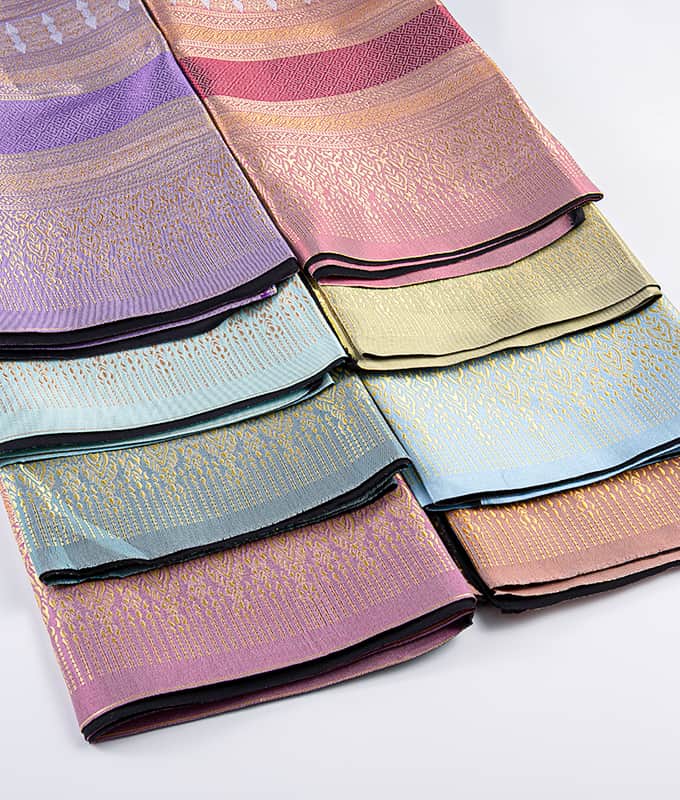 Popular Traditional Thai Sarong Fabric All Polyester Jacquard FabricThe Polyester Fabric for Popular Traditional Thai Sarong is crafted from carefully selected polyester filaments, with strict quality control from the very first stage ...View Product →
For those who prefer a thinner bobbin-like border with a gold thread accent, the vertical-stripe gold-thread polycotton sarong fabric works well. It combines the richness of a woven border with the practicality of a cotton blend.
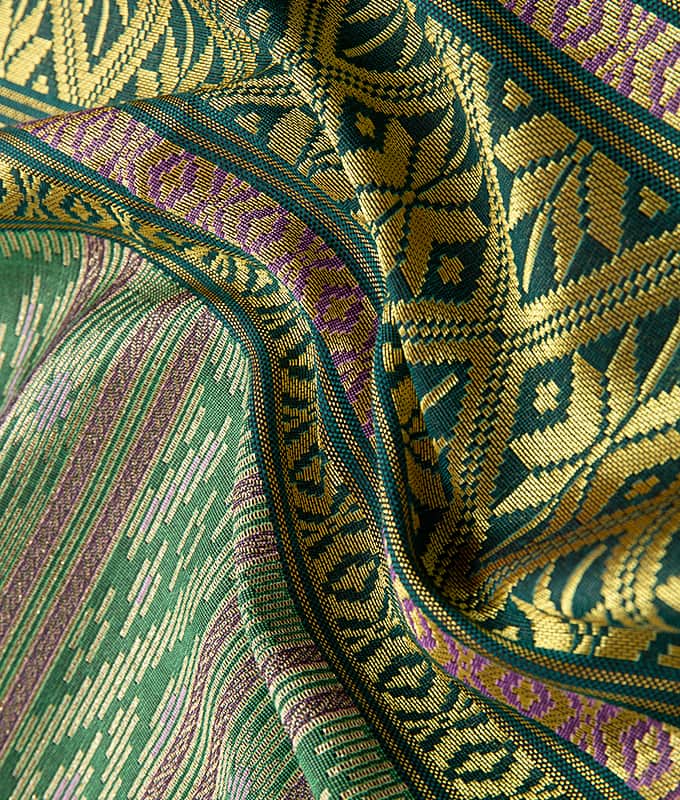 Vertical Stripe Gold Thread Poly-Cotton Sarong FabricThe Vertical Stripe Gold Thread Poly-Cotton Fabric for Sarong blends durability and comfort with a touch of elegance. Featuring vertically arranged golden stripes, thi...View Product →
Practical Buying Criteria for Traditional Border Fabrics
Purchasing a traditional border fabric involves more than picking a pattern. You need to check the fiber composition, construction density, and finishing standards that protect the border and the body of the fabric.
- Fiber composition: 100% cotton gives breathability but has higher shrink potential; 100% polyester is dimensionally stable but less breathable; a blended mix balances cost and performance.
- Weave density: A higher pick density holds the border pattern better and reduces warping, but also raises fabric weight and cost.
- Color fastness: Use a standard like ISO 105-B02 to assess light fastness, and ISO 105-C10 for washing. Especially important for jacquard borders where the design comes from colored yarn.
- Shrinkage: Cotton blends can shrink differently in the warp and weft direction. Test the actual fabric before cutting to avoid pattern mismatch.
- Environmental compliance: If your market requires eco-friendly supply chains, confirm the fabric is produced with certified dyes and processes.
These factors also influence seaming, hemming, and final fit. When orders are small, a supplier that can adjust the border repeat or match colors to your specifications becomes valuable. Zhengyan Textile supports small-batch runs and custom pattern development, which helps you avoid purchasing more than you can use.
Customizing Border Designs for Your Product Line
Whether you are developing a new sarong line or expanding your keffiyeh range, customized border designs can be built by changing the weft color sequence, the border width, or the size of the motif. In polyester-cotton blends, the same border can be produced with a softer hand for casual wear or with a higher twist for a more structured fabric.
To make the right decision, work with your supplier from the beginning. Share your target fabric weight, end-use, and the launch quantity you expect. A good supplier will advise on the most economical border construction that still gives your product an authentic traditional look.
Border designs in traditional textiles continue to inspire modern apparel. With the right research, you can choose a border that serves your production line and resonates with your customers. If you need help with a specific sarong or keffiyeh fabric, our team can provide guidance based on your destination market.
Related products
-
-
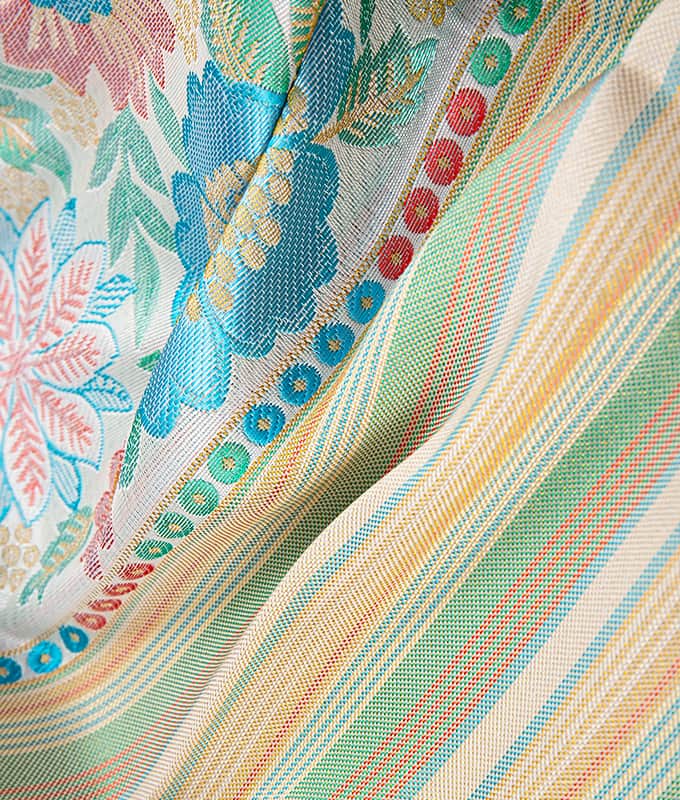
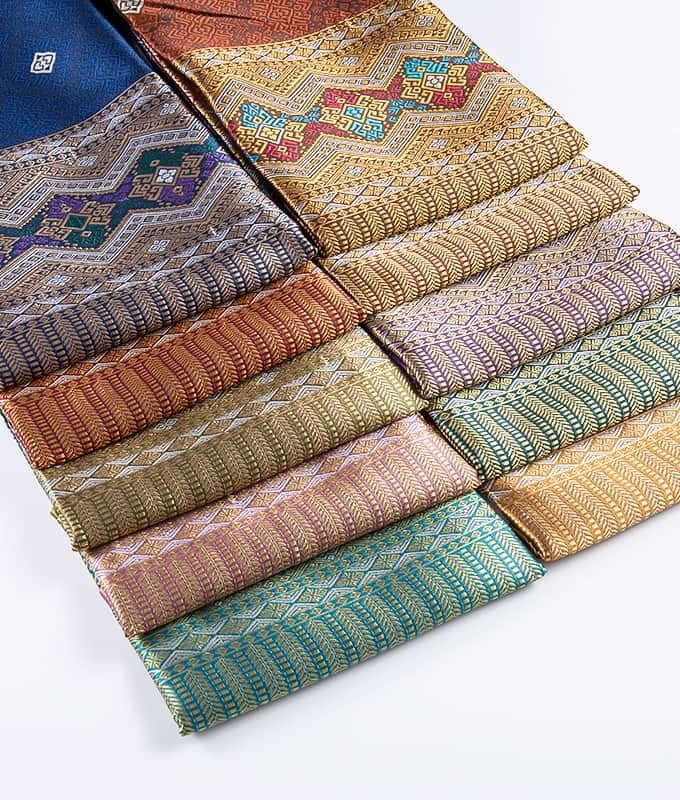
Sunflower Print Poly-Cotton Fabric for Sarong — a vibrant fabric inspired by sunflowers, radiating energy and brightness. Made with soft poly-cotton, ...
See Details -
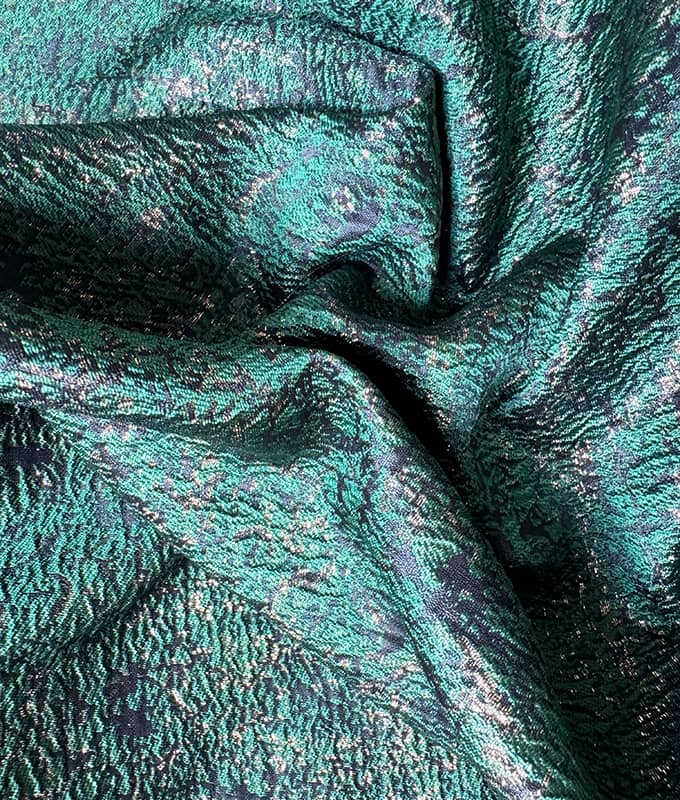
Shimmering Thicket Gold-thread Jacquard Fabric is woven with an all-over tonal floral texture, where fine, delicate branches spread continuously acros...
See Details -
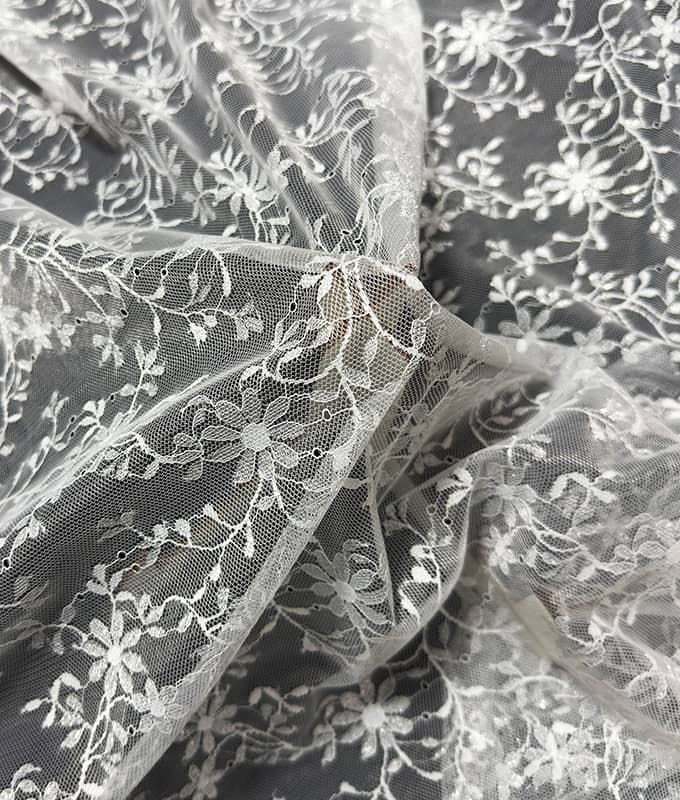
This warp-knit lace fabric links tiny, multi-petaled florets together with slender, flowing vines, with branches naturally interweaving and extending....
See Details -
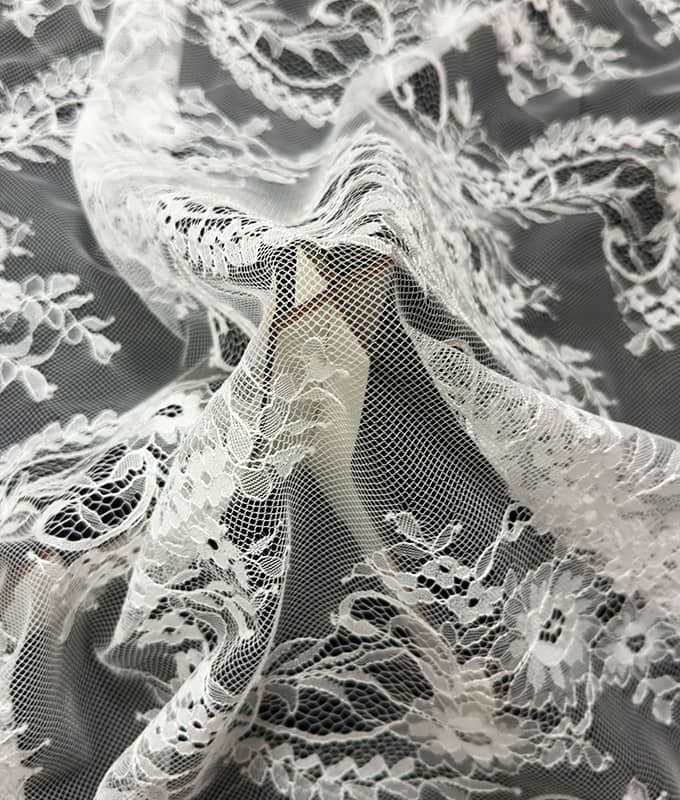
This warp-knit lace fabric is structured around smooth, flowing wave-shaped vines, with tiny florets arranged in an orderly curve along the lines, cre...
See Details -
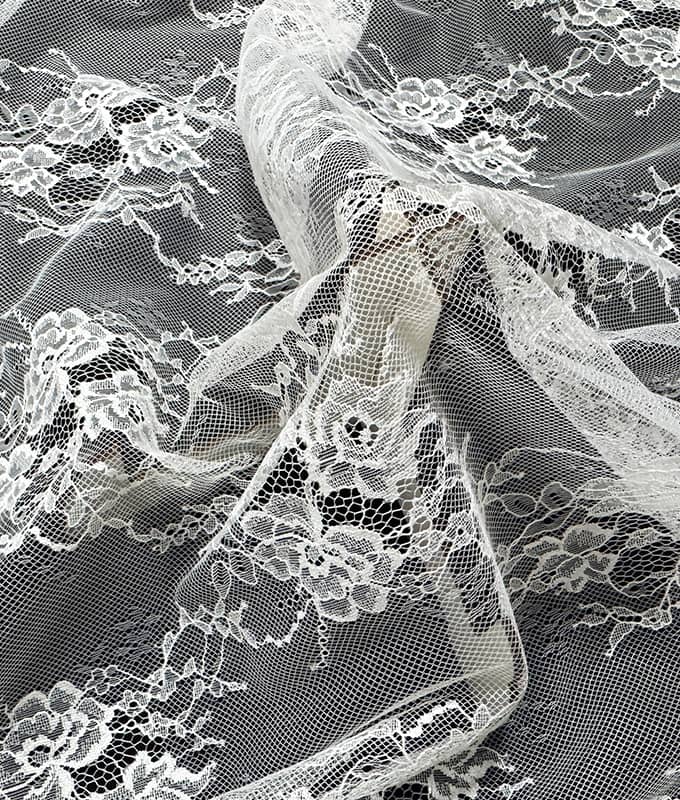
This warp-knit lace fabric arranges diagonal rose clusters guided by gentle, flowing vines, with interwoven branches creating a connected, orderly flo...
See Details

