English
  عربى
عربى  中文简体
中文简体 Silk-like Polyester Jacquard Fabric for Thai Pha Sinh Sarong — combining the elegance of silk-like texture with high-precision jacquard craftsmanship,...
See DetailsFabric Choices for Longyi Production: Cotton, Silk, Polyester and Blends
Industry News-Content
Longyi is a single uncut panel of cloth, roughly two metres long and one wide, wrapped around the waist, folded across the front and tucked in place without buttons, zips or elastic. That simplicity is exactly why fabric choice matters so much. The cloth has to grip itself, fall cleanly and stay comfortable through long, humid days. At Huzhou Zhengyan Textile we have been weaving jacquard, printed and plaid fabrics for Southeast Asian ethnic dress since 2006, and longyi and sarong materials remain the heart of what we make. This article walks through the practical fabric decisions that shape a longyi's drape, durability and cultural fit.
Why Fabric Choice Defines a Longyi
A longyi stays up through friction. Two layers of cloth press against each other at the hip, and that contact has to be reliable enough to hold through walking, sitting and climbing stairs. This single mechanical fact rules out a surprising number of otherwise attractive fabrics. A high-gloss, heavily calendered polyester may photograph beautifully but can slide loose within minutes. A stiff, heavily sized cotton will not fold flat and creates bulk where the fabric should lie smooth.
Three properties matter most:
- Surface friction. A slightly textured or matte finish grips better than a slick one, so brushing and calendering need to be applied with restraint.
- Drape and weight. Roughly 120 to 180 gsm suits most everyday longyi. Lighter cloth is cooler but needs more careful tucking; heavier cloth is more forgiving and hangs straighter.
- Breathability and moisture handling. Myanmar is hot and humid for much of the year, so how a fabric moves moisture is not a luxury but a daily requirement.
Get these three right and the pattern becomes a matter of taste rather than function.
The Core Fibres and How They Behave
Cotton is the backbone of the longyi market. It breathes, holds a tuck well and softens with washing. The trade-offs are shrinkage and price volatility, which is why buyers often specify pre-shrunk or mercerised cotton. Silk is the traditional choice for formal men's paso and ceremonial htamein, prized for its lustre and fluid drape, though it demands dry cleaning and a higher budget. Polyester delivers colour-fastness, dimensional stability and a much lower unit cost, and modern textured yarns have largely closed the hand-feel gap with cotton. Cotton-polyester blends, typically 65/35 or 50/50, are the fastest-growing segment because they combine cotton's comfort with polyester's durability and predictable finishing behaviour.
| Fibre | Hand feel | Breathability | Durability | Relative cost | Typical longyi use |
|---|---|---|---|---|---|
| Cotton | Soft, natural | High | Moderate | Medium | Everyday paso and htamein |
| Silk | Smooth, lustrous | Moderate | Delicate | High | Ceremonial and formal wear |
| Polyester | Engineerable, can be matte or slick | Low to moderate | High | Low | Volume daily wear and prints |
| Cotton-poly blend | Balanced | Moderate to high | High | Low to medium | Everyday, travel and institutional orders |
Weave Structures and Pattern Categories
Myanmar's weaving traditions are usually grouped into five broad pattern families: plain, tapestry, float, resist and embroidery. Each one behaves differently on a finished longyi.
- Plain weave is the workhorse. It is strong, economical and easy to finish consistently at volume.
- Check and tartan patterns, technically a colour arrangement rather than a weave, dominate men's paso and remain the most requested longyi look worldwide.
- Jacquard allows complex motifs to be woven into the cloth rather than printed on top, giving depth that survives repeated washing.
- Resist-dyed effects and float patterns create texture and visual movement, but they demand tighter process control.
- Embroidery adds surface interest at the cost of higher unit price and more careful care instructions.
For longyi production, the practical decision is usually between a durable plain or check weave for volume orders and a jacquard construction for premium lines.
 100% Cotton Plaid Southeast Asian Sarong Fabric WholesalePure cotton plaid sarong fabric suited to volume longyi orders, offering breathable comfort and consistent simple-check production for everyday traditional wear.View Product →
Colour, Pattern and Occasion
Colour and pattern carry meaning in Myanmar dress. Men's paso traditionally favour bold checks and stripes in darker tones such as deep green, navy, maroon and charcoal, while women's htamein often use florals, fine jacquard motifs and brighter palettes. Ceremonial pieces move towards silk, satin finishes and metallic or gold thread accents. For buyers, the useful rule is that pattern complexity should match the price point. A simple check can be produced at scale with excellent consistency; a multi-colour jacquard rewards a mill that controls its own yarn dyeing and weaving rather than outsourcing either step.
It also pays to think about the colour of the reverse side. Because a longyi is folded and tucked, a contrast weft or a mismatched back can show at the hip, which is why mills that weave their own greige fabric generally produce a cleaner result.
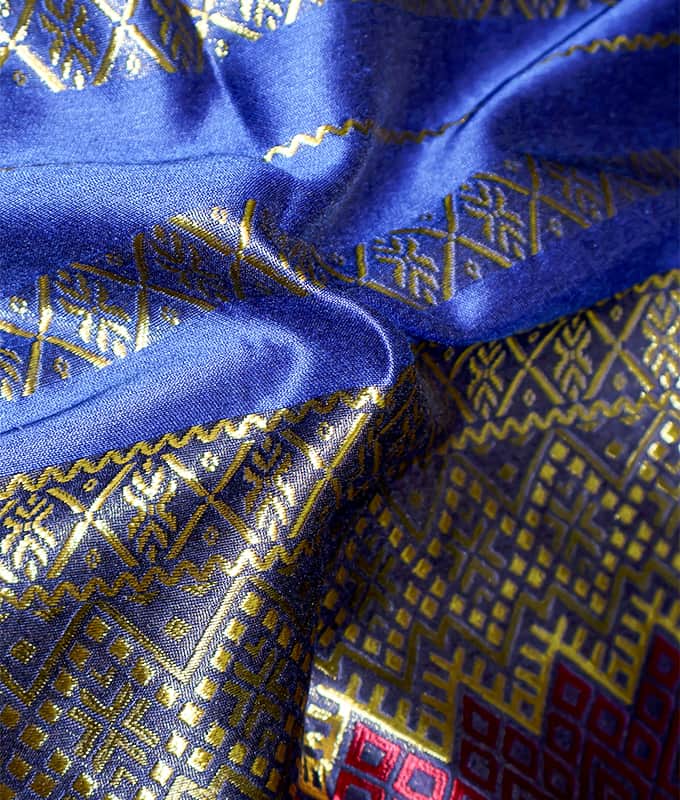 Custom Polyester Jacquard Colorful Southeast Asian Sarong FabricCustom polyester jacquard sarong fabric with vivid three-dimensional patterns, durable easy-care performance, and colorfast shaping for varied longyi occasions.View Product →
Matching Fabric to the End Use
Longyi is worn in several distinct contexts, and the right fabric changes with each one.
- Everyday wear: 100% cotton or a cotton-poly blend in a plain or check weave, around 120 to 160 gsm. Easy care and colour retention matter more than lustre.
- Travel and humid climates: textured polyester or a light blend dries faster and resists wrinkling inside a bag.
- Office and formal: a finer jacquard or a mercerised cotton gives a crisper drape that photographs well under indoor lighting.
- Ceremonial and wedding: silk, or a silk-touch polyester jacquard with gold thread detailing for the shine and weight of traditional cloth.
- Monastic and traditional use: simple cotton in muted tones, usually unpatterned or lightly checked, with a soft matte finish.
Buyers who sell across several of these categories often standardise on two or three base fabrics and vary only the colourway. It keeps inventory manageable and makes reorders far easier to forecast.
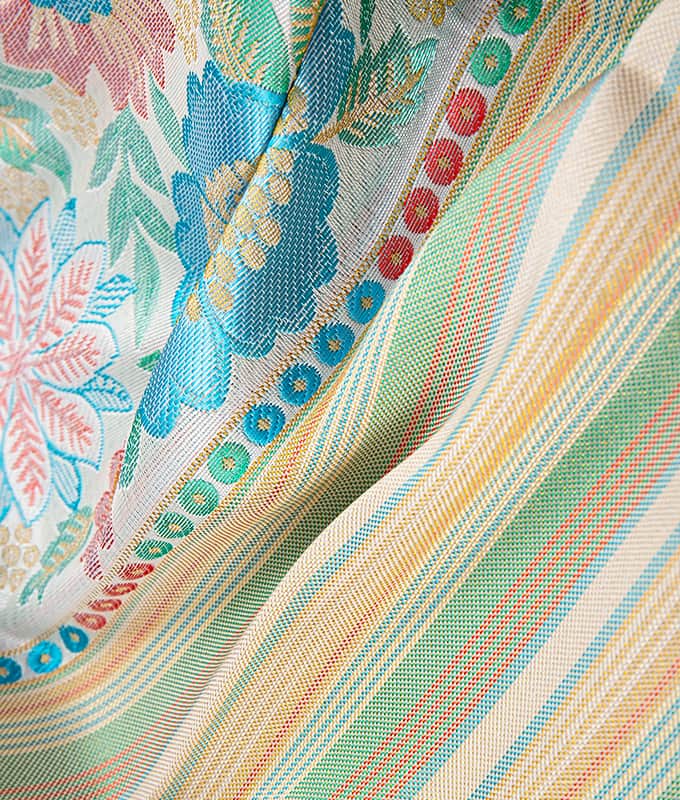 Hand-Stitched Style Poly-Cotton Sarong Fabric DMTH-2002Poly-cotton sarong fabric with artisan hand-stitched look and structured wrinkle-resistant feel; a customizable base for buyers standardising across traditional Southeast Asian clothing.View Product →
Quality Checks Before You Commit
Before confirming a longyi fabric order, run these checks on the sample rather than on the specification sheet.
- Weight and width consistency, measured at the start, middle and end of the roll.
- Shrinkage after one home wash. Anything above three percent needs pre-shrinking before cutting.
- Colourfastness to rubbing and light, especially on deep indigo, black and red shades.
- The tuck test. Wrap a length around yourself and walk a few steps; if it loosens, the finish is too slick.
- Weave density and yarn evenness, checked against a light source to catch missed picks.
- Hand feel after washing, not just off the loom, since many finishes change character once the sizing is gone.
For a deeper walkthrough of the criteria that matter specifically to Myanmar longyi, our practical buyer's guide to longyi fabric quality covers test methods and tolerances in more detail.
Custom Longyi Fabric: Working With a Mill
Custom longyi programmes usually start with a pattern reference, a colour standard and a target weight. Bringing the right materials to that first conversation saves weeks of sampling rounds.
- A physical swatch, or at minimum a high-resolution image, of the target pattern.
- Pantone or yarn colour references for every shade in the design.
- Target GSM, usable width and preferred finish, whether matte, soft or lightly calendered.
- Expected order quantity, repeat schedule and destination market, since compliance requirements differ by region.
Small-batch capability matters more here than in most fabric categories, because regional pattern preferences shift quickly and a longyi line rarely sells in a single colourway. Our own mill in Huzhou runs a development lab alongside production, which allows shrinkage, colourfastness and hand feel to be tested before a bulk run rather than after it. Our Southeast Asian traditional sarong fabric range is a useful starting point for buyers comparing base qualities side by side.
Bringing It Together
There is no single correct fabric for longyi production. Cotton remains the safest everyday choice, silk and silk-touch jacquard carry ceremony, and polyester blends have earned their place through durability and cost control. The decision comes down to matching fibre, weight and weave to the way the finished garment will actually be worn, then confirming that the mill can reproduce the approved sample consistently, order after order. That second part is where most sourcing problems begin and end.
Related products
-
-
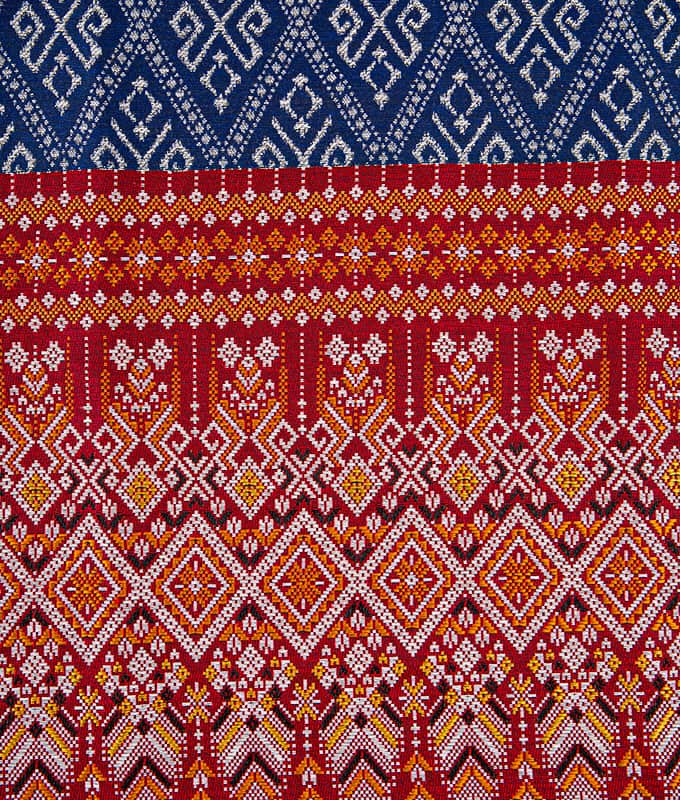
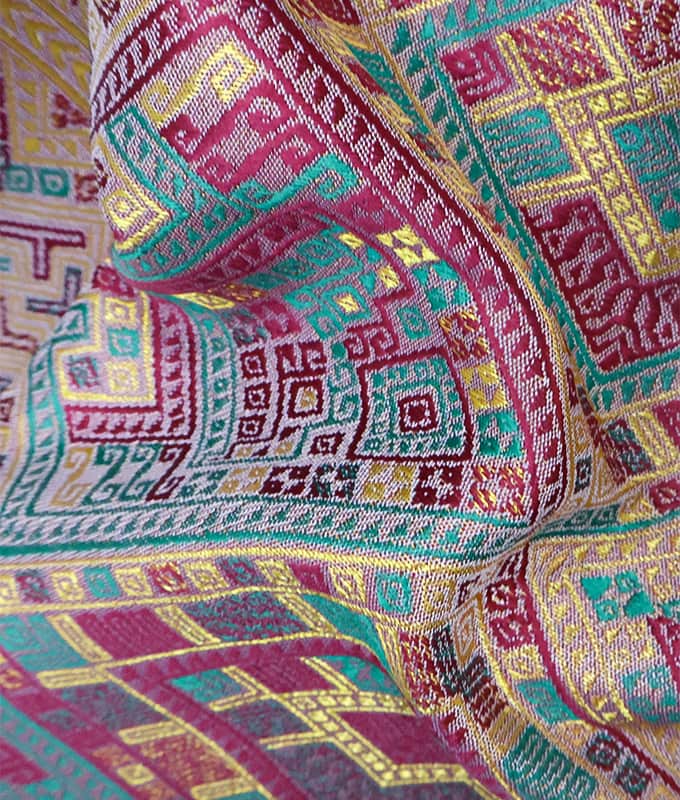
Hand-Stitched Style Poly-Cotton Fabric for Sarong— a refined blend of style and practicality, crafted to give tube skirts a smooth texture and a well-...
See Details -
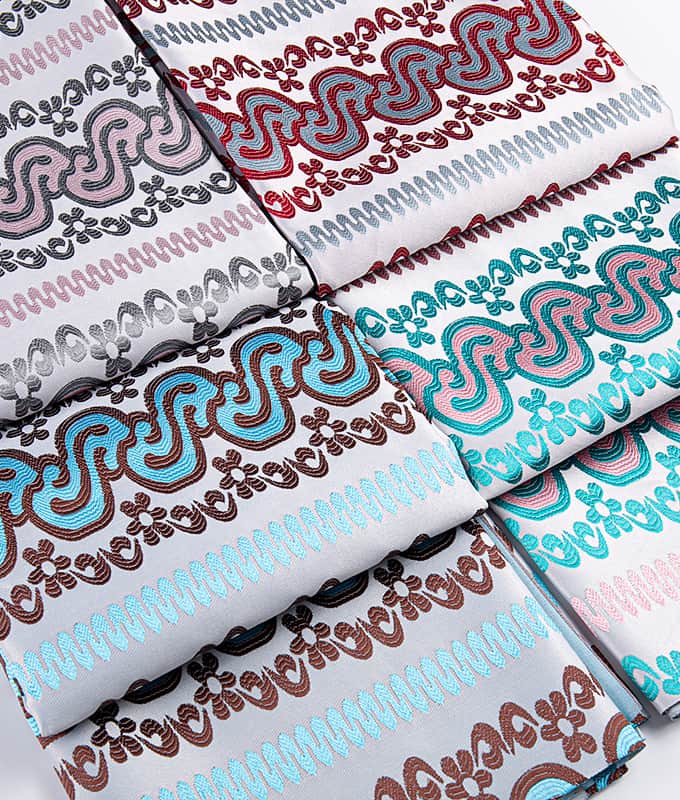
The S-Shaped 3D Textured Polyester Jacquard Fabric for Sarong combines elegance with durability. Crafted with advanced electronic jacquard technology,...
See Details -
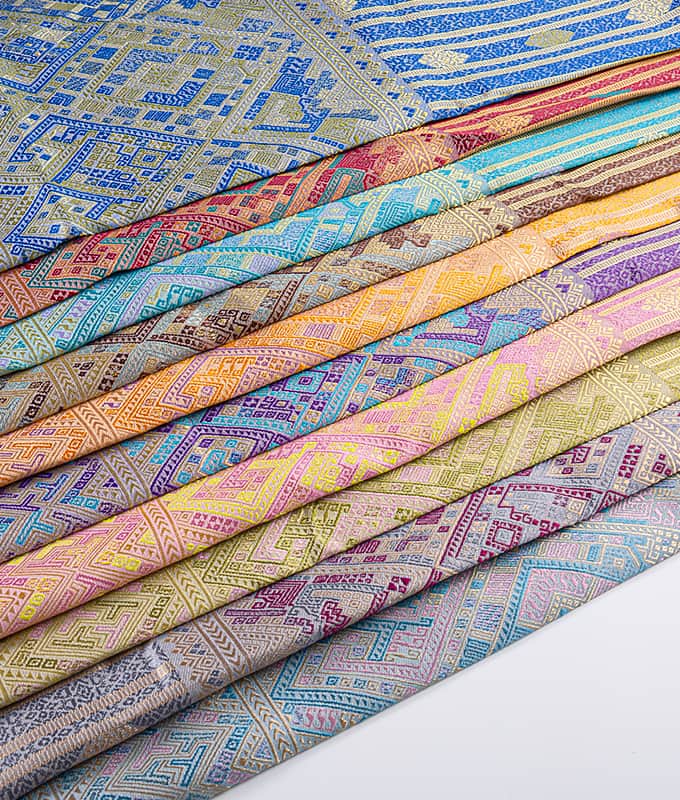
Hollow Polyester Jacquard Fabric for Laotian Traditional Sarong — a perfect fusion of Lao cultural heritage and modern fiber innovation. With symbolic...
See Details -
Sunflower Print Poly-Cotton Fabric for Sarong — a vibrant fabric inspired by sunflowers, radiating energy and brightness. Made with soft poly-cotton, ...
See Details -
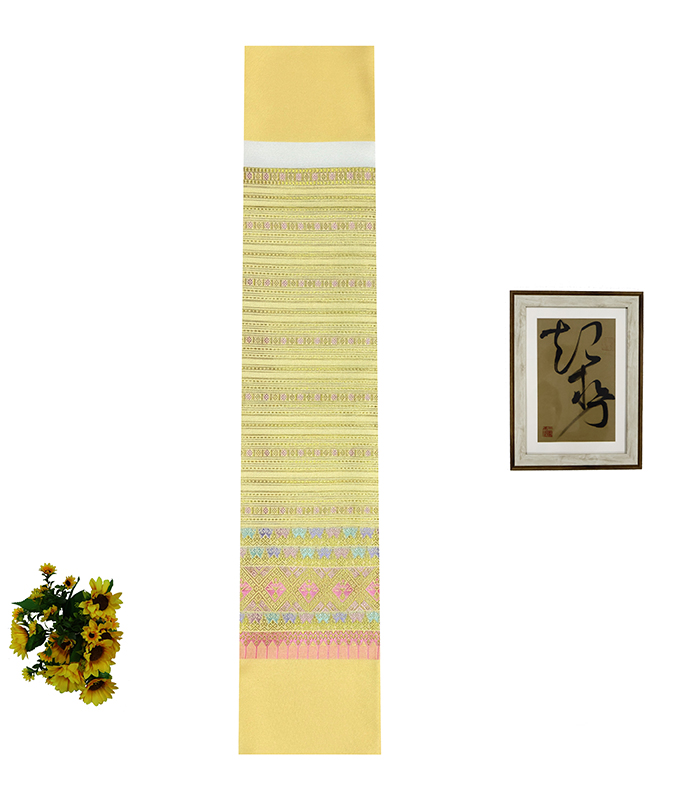
This traditional Southeast Asian jacquard sarong fabric uses a sectioned structure. The two ends are solid-color blocks, the main middle section is ar...
See Details