English
  عربى
عربى  中文简体
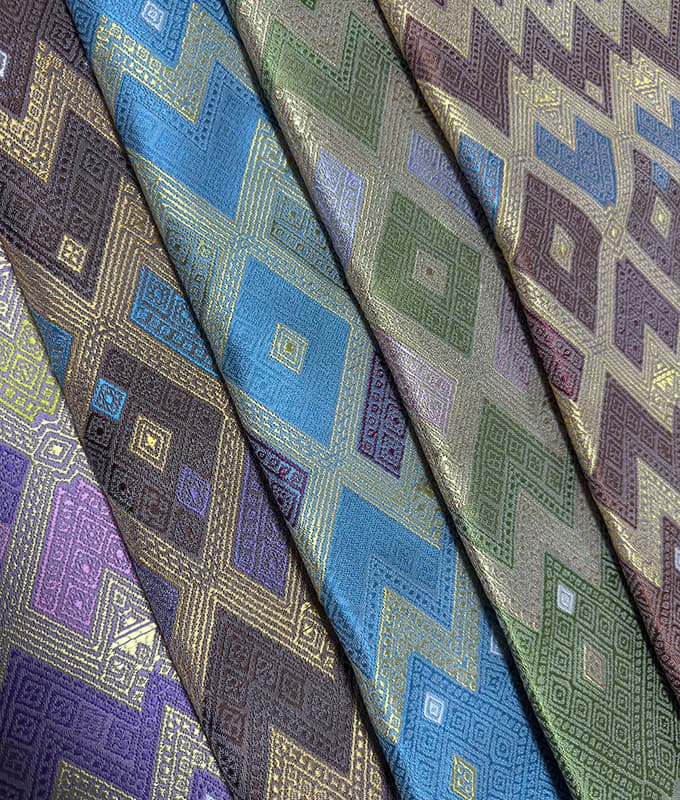
中文简体 This Southeast Asian ethnic-style polyester jacquard fabric is made with a jacquard weaving technique. The staggered zigzag and diamond patterns carry...
See DetailsMyanmar Longyi Fabric: A Practical Buyer's Guide to Quality and Selection
Industry News-Content
Choosing the right Myanmar longyi fabric starts with understanding how this simple tube of cloth is actually worn and washed. A longyi is about two metres long and roughly eighty centimetres wide, sewn into a cylinder, and wrapped around the waist. In Myanmar, it is not just a piece of clothing; it is daily uniform, formal attire, and a cultural symbol. The fabric you select determines whether the finished garment feels comfortable in tropical heat, how quickly it dries, whether colours stay sharp after repeated washing, and how the drape falls when the wearer walks or sits. For buyers and brands, the decision comes down to fibre, weave, weight, and supplier consistency.
Understanding the Myanmar Longyi and Its Fabric Requirements
The longyi is worn by men and women across Myanmar, but the naming and patterns differ. Men traditionally wear a paso, often made from cotton or silk with a checked or striped pattern. Women wear a htamein, which usually features floral motifs, woven bands, or jacquard designs. Despite these differences, the garment shape is always the same: a simple cylinder that is folded at the waist and tied securely. This means the fabric must be flexible enough to wrap closely around the body, yet dense enough to stay in place without constant adjustment.
Because Myanmar has a tropical climate with high humidity and a distinct rainy season, the ideal longyi fabric breathes well, absorbs moisture, and dries quickly. Cotton is the traditional choice because it is soft and comfortable against the skin. However, pure cotton can wrinkle easily and shrink after washing, which is why many modern longyi makers prefer synthetic blends. Polyester and polycotton fabrics are less prone to creasing, hold their colour longer, and are easier to care for in households where washing is done by hand. For wholesale buyers, understanding this fibre trade-off is the first step to picking the right cloth for a specific market or customer group.
Natural vs Synthetic Fibers: What Works Best for a Longyi
The fibre choice has the largest impact on how a longyi performs in real use. Cotton, polyester, and polyester-cotton blends each offer a different combination of comfort, durability, and appearance. A good rule is to match the fibre to the intended occasion and the local washing habits.
Cotton is the classic option for everyday longyis. It breathes well, feels gentle on the skin, and develops a softer texture over time. A 100% cotton plaid fabric keeps the traditional checked look and wears comfortably through a full day of activities. The main weakness is shrinkage: if the fabric has not been pre-shrunk, the first wash can reduce the length by several centimetres. For example, a 100% cotton plaid sarong fabric gives you the classic checked longyi texture that many local wearers still prefer, but careful finishing is needed to avoid unwanted shrinkage.
Polyester is widely used in longyi production because it is strong, colourfast, and wrinkle-resistant. It can be woven with jacquard patterns that imitate the lustre of silk, making it popular for festive longyis and formal htameins. The downside is that lower-grade polyester can feel sticky and less breathable in hot, humid weather. High-quality polyester with fine denier yarns and an open weave performs much better, which is why not all poly longyis feel the same.
Polyester-cotton blends are a sensible compromise. A 65/35 or 50/50 blend offers the softness and absorbency of cotton, combined with the low-maintenance benefits of polyester. These blends are especially useful for uniforms and daily wear because they hold their shape after repeated laundering. If you want a traditional hand-finished appearance without the high labour cost, a handstitched-style polycotton sarong fabric reproduces the subtle stitched texture that many Southeast Asian markets associate with premium longyis.
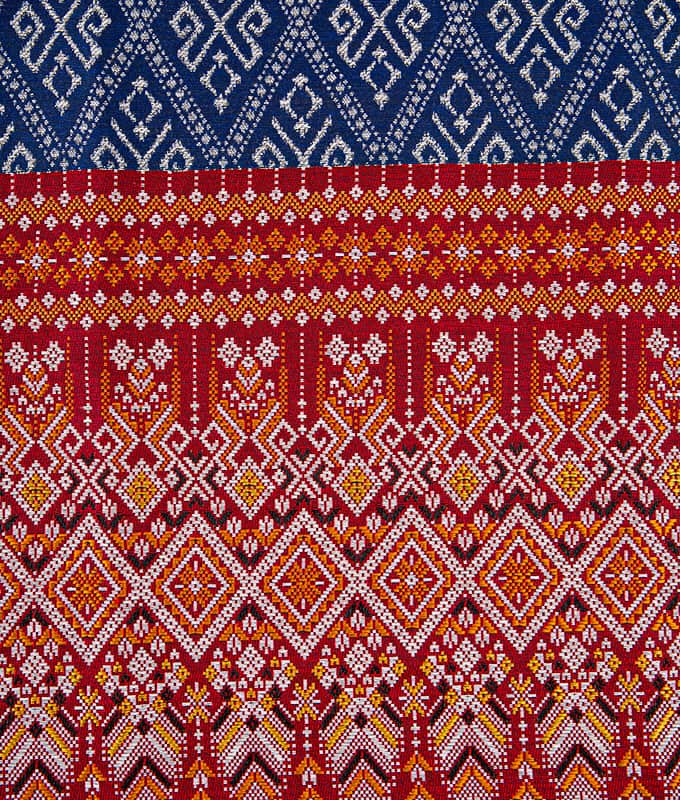 Hand-Stitched Style Poly-Cotton Sarong Fabric Manufacturers, Custom Factory - HuZhengyan Textile is top China Hand-Stitched Style Poly-Cotton Sarong Fabric Manufacturer and Custom Hand-Stitched Style Poly-Cotton Saron...View Product →
| Fiber | Key Strengths | Likely Drawbacks | Best For |
|---|---|---|---|
| Cotton | Breathable, soft, good moisture absorption, natural feel | Shrinks, wrinkles, slower drying | Traditional daily wear, warm and humid climates |
| Polyester | Durable, colourfast, quick-drying, wrinkle-resistant, can mimic silk | Less breathable, can feel clammy if quality is low | Formal occasions, lower-maintenance garments, jacquard designs |
| Polyester-Cotton Blend | Balanced softness and durability, reduced shrinkage, easy care | May not feel as natural as pure cotton or as crisp as pure poly | Uniforms, everyday wear, wholesale lines aimed at value |
Key Quality Factors to Check Before Buying Longyi Fabric
Once you narrow down the fibre, the next step is to inspect the fabric construction. A longyi needs to be sturdy enough for years of wear, but also comfortable enough for all-day use. Here are the most important quality indicators to verify when evaluating fabric from any supplier.
- Fabric weight: Most longyi fabrics fall between 120 and 200 grams per square metre. Lighter weights are cooler but may be too sheer; heavier weights drape well but can feel hot.
- Colour fastness: Check both wash fastness and light fastness. Dyed longyis are exposed to strong sun and frequent washing, so colours should not bleed or fade easily.
- Shrinkage: Ask for pre-shrunk fabric or confirm that residual shrinkage is below 3 to 5 percent. Uncontrolled shrinkage is one of the most common complaints from longyi makers.
- Pilling and abrasion resistance: Rub the fabric surface to see if pills form. In a garment that is tied tightly at the waist, friction is constant, especially on the inner side of the fabric.
- Pattern repeat and alignment: For printed and jacquard fabrics, the pattern must match at the seam where the longyi is sewn into a cylinder. A mismatched pattern looks cheap and is difficult to cut around.
- Hand feel and drape: The fabric should feel smooth without being slippery. It should gather softly around the waist without adding bulk or creating a stiff silhouette.
For formal occasions, the visual finish matters more than for daily wear. A fabric with a silk-like lustre elevates the entire garment and photographs well under bright light. A silklike polyester jacquard fabric is a practical alternative to real silk because it keeps the rich appearance and resists creasing, making it a popular choice for wedding guests, ceremonies, and public events.
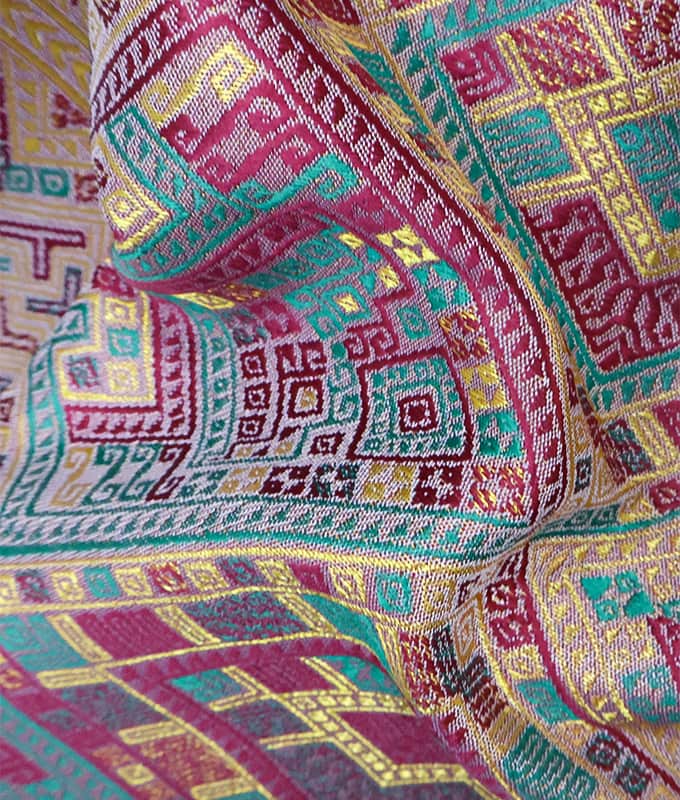 Silk-like Polyester Jacquard Fabric for Thai Pha Sinh Sarong Manufacturers, CustZhengyan Textile is top China Silk-like Polyester Jacquard Fabric for Thai Pha Sinh Sarong Manufacturer and Custom Silk-like Polyester Ja...View Product →
Sourcing Longyi Fabric from a Chinese Textile Supplier
Many longyi wholesalers and apparel brands now source fabric from China instead of relying on local Southeast Asian mills. Chinese suppliers can offer consistent quality, lower minimum orders, and faster product development, especially when the supplier already specialises in Southeast Asian sarong fabrics. Huzhou, in particular, has a cluster of jacquard and printing mills with deep experience in traditional designs. This is useful because a fabric designed for one regional garment often works for another, but the terminology can be confusing; a dedicated guide helps clarify the main differences between a Myanmar longyi and similar garments like the Thai pha sin or Indonesian kain. You can read more in this longyi vs pha sin vs kain key differences explained article if you are new to the category.
When evaluating suppliers for longyi fabric, focus on their ability to control the finishing process. A supplier that pre-shrinks the fabric, tests colour fastness, and inspects pattern alignment can save you from receiving a shipment that produces defective garments. It is also worth asking about small-batch production. Not every buyer needs a full container of one design, so a supplier that supports flexible order sizes lets you test new patterns and colours without risking too much capital. In addition, look for a partner with an in-house design team or a laboratory for colour matching. This is especially important for custom longyi collections where the client expects a unique palette or a traditional motif that is not in the standard catalogue.
Logistics is another practical consideration. The best fabric in the world is useless if it arrives late or is held up by poor documentation. Suppliers located near major Chinese ports, such as Shanghai or Hangzhou, can ship samples quickly by air and bulk orders by sea with predictable transit times. For buyers in Myanmar or neighbouring countries, this shortens the entire sourcing cycle and makes it easier to respond to seasonal demand. A reliable supplier will also maintain clear communication about lead times, production status, and any changes that affect delivery.
Selecting Myanmar longyi fabric does not have to be complicated. Start with the intended use, choose a fibre that fits the local climate and care expectations, then verify quality through samples and a reliable supplier. Whether you are buying for a boutique, a uniform programme, or a larger wholesale order, the right fabric will keep its shape, colour, and comfort through years of wear. Pay attention to the details that experienced manufacturers check, and you will be able to offer longyis that your customers truly enjoy wearing.
Related products
-
-
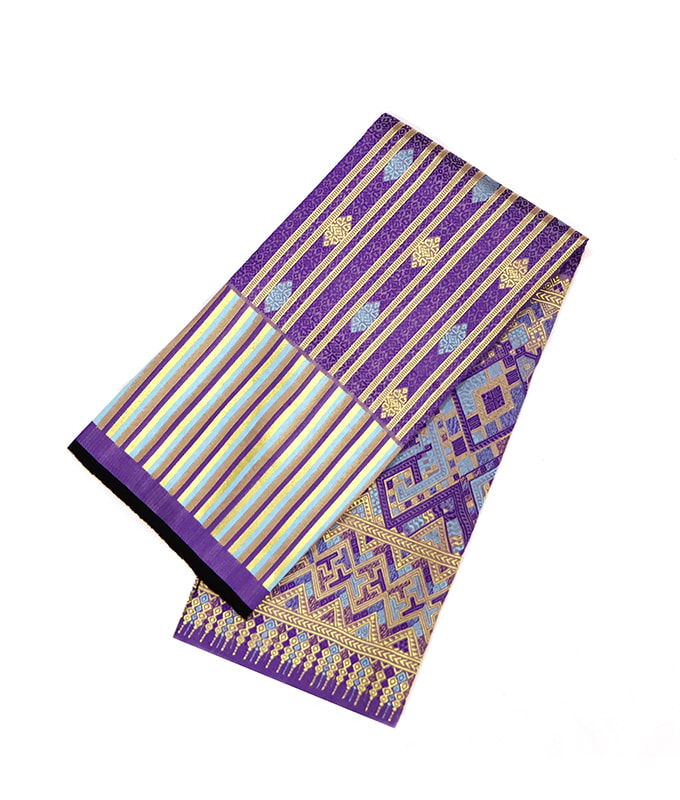
This Southeast Asian-style jacquard sarong fabric combines ethnic geometric motifs with striped elements. A soft light-purple ground is paired with go...
See Details -

Hand-Stitched Style Poly-Cotton Fabric for Sarong— a refined blend of style and practicality, crafted to give tube skirts a smooth texture and a well-...
See Details -
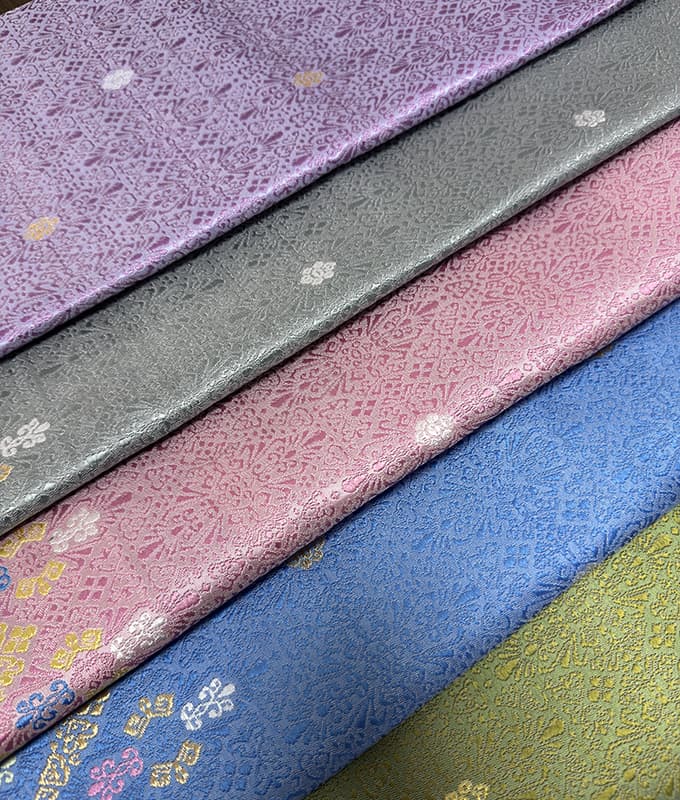
This Southeast Asian-style polyester jacquard fabric is made with a jacquard weaving technique and blends traditional ethnic geometric patterns into a...
See Details -
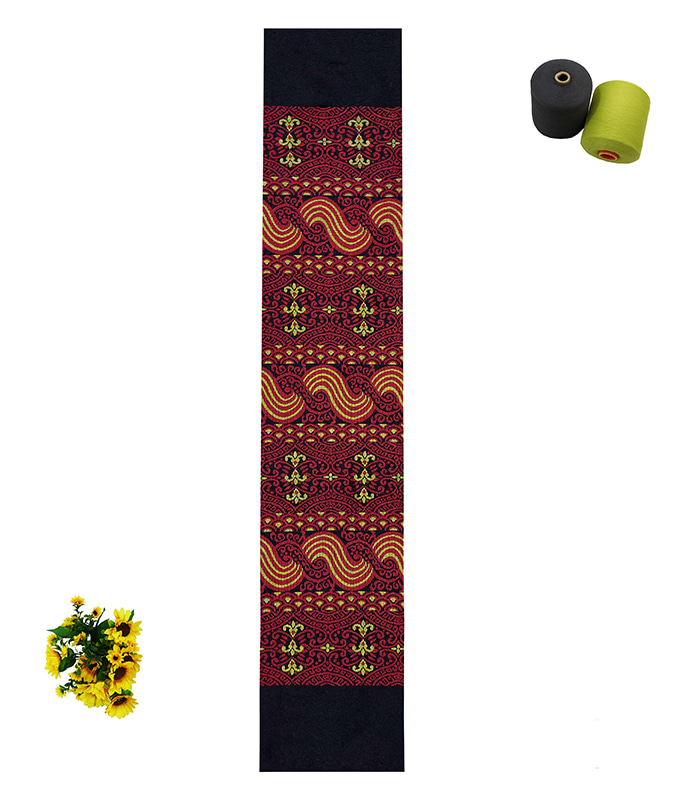
This Southeast Asian ethnic-style jacquard sarong fabric uses a sectioned structure. The top and bottom ends are solid-color blocks, while the main mi...
See Details -
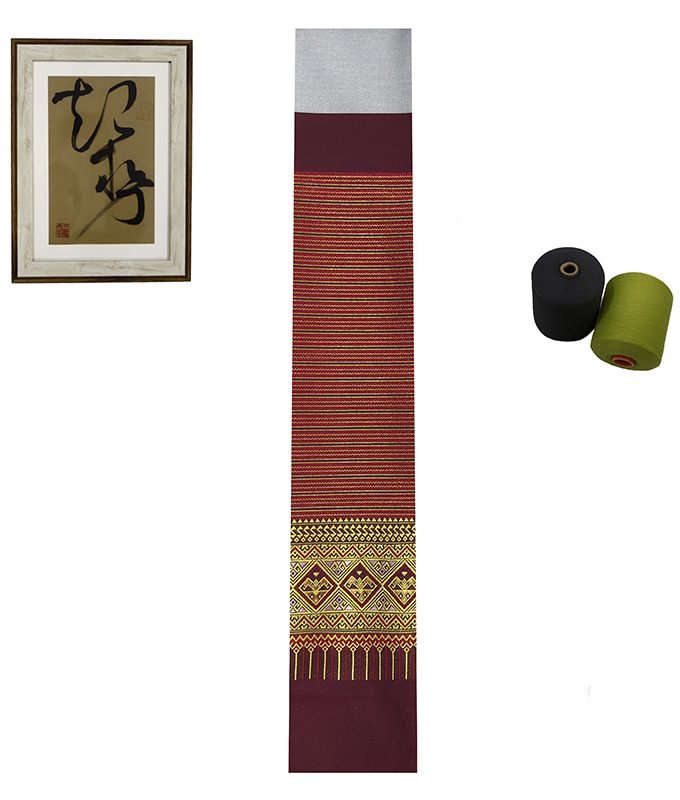
This Southeast Asian jacquard sarong fabric uses a sectioned design. The upper section is arranged with neat horizontal stripes, while the lower secti...
See Details