English
  عربى
عربى  中文简体
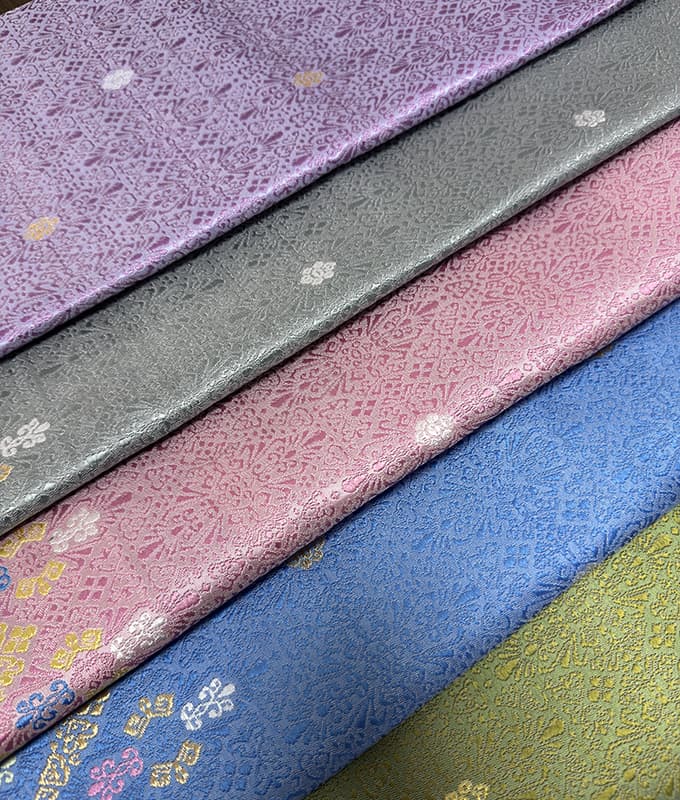
中文简体 This Southeast Asian-style polyester jacquard fabric is made with a jacquard weaving technique and blends traditional ethnic geometric patterns into a...
See DetailsHow Is Jacquard Fabric Made? A Beginner's Guide for Textile Buyers
Industry News-Content
What Is Jacquard Fabric?
Jacquard fabric is a woven textile in which the pattern is built directly into the structure of the cloth during weaving — not printed on top of it, not embroidered after the fact. The design is formed by the interlacing of warp and weft threads themselves, which means it is as permanent and durable as the fabric it inhabits.
This distinction matters enormously for textile buyers. With a printed fabric, the design sits on the surface and is vulnerable to fading, cracking, or wearing away with repeated washing and use. With jacquard, the pattern cannot be separated from the fabric because they are structurally one and the same. A jacquard textile produced today will retain its motif for the life of the cloth.
The term "jacquard" refers to both the weaving method and any fabric produced by it. Because the method is independent of fiber, jacquard can be woven from cotton, polyester, silk, linen, or blended yarns — which makes it one of the most versatile categories in textile manufacturing. What unifies every jacquard fabric, regardless of fiber or end use, is the mechanism by which the pattern is created: a loom equipped with individual, programmable control over each warp thread.
A Brief History: From Punch Cards to Computer Looms
The story of jacquard fabric begins in Lyon, France in 1804, when a weaver named Joseph Marie Jacquard patented a loom attachment that would change the textile industry permanently. Before his invention, producing intricately patterned cloth required two workers: a skilled weaver and an assistant — often a young child — who would manually lift selected warp threads on command so the correct colored threads appeared in each line of the weave. It was slow, physically punishing work. A highly skilled team might complete just two square inches of fine patterned silk in a full day.
Jacquard's breakthrough was a mechanism that used a series of punched paper cards to control which warp threads were raised for each pass of the weft. Holes in the card allowed hooks to lift specific threads; solid areas blocked them. By stringing cards together in sequence, a weaver could "program" an entire pattern into the loom and reproduce it consistently without a human assistant. The punched-card concept Jacquard pioneered would later serve as a direct inspiration for early computing, influencing Charles Babbage's Analytical Engine and, eventually, the punch-card data systems used by electronic computers well into the 20th century.
By the early 1800s, tens of thousands of Jacquard looms were operating across France. The technology spread rapidly through Europe and eventually worldwide, continuously refined over the following two centuries. In the 1980s, electronic Jacquard looms entered production, replacing punched cards with digital control systems. Today, fully computerized Jacquard looms allow designers to program virtually unlimited pattern complexity directly from design software — and a single modern loom can control thousands of individual warp threads simultaneously, producing intricate multilayer designs at industrial scale.
How Jacquard Fabric Is Made: Step by Step
Understanding the production process helps buyers ask the right questions when sourcing and gives clear insight into why jacquard commands a premium over plain or printed fabrics.
- Design Creation and Digitization: The process begins with a pattern design — floral, geometric, ethnic motif, abstract, or custom artwork. In modern production, this design is created or converted into a digital file compatible with the loom's control software. Each element of the pattern is mapped to specific warp thread movements. The complexity of the design directly affects setup time and, in some cases, minimum order quantities.
- Yarn Selection and Warping: The appropriate yarn is selected based on the end product's requirements — fiber type, yarn count, twist, and color. Warp threads are wound onto a beam and loaded into the loom in precise sequence. The number of warp threads per centimeter (thread density) determines the resolution and fineness of the finished pattern.
- Loom Programming: The digital pattern file is loaded into the computerized Jacquard loom's controller. The loom's electronic head assigns lifting instructions to each individual hook, which in turn controls each warp thread. This is the defining step that separates Jacquard weaving from conventional shaft-loom weaving, where only groups of threads can be controlled together rather than individually.
- Weaving: As the loom operates, the Jacquard mechanism raises and lowers specific warp threads for every pass of the weft shuttle or rapier. Each pick (weft insertion) builds one horizontal row of the pattern. Over thousands of picks, the full design emerges — woven into the fabric's structure rather than laid on its surface. Depending on the complexity of the design and the loom speed, this stage can range from a few hours to several days per roll.
- Finishing: Once woven, the greige (unfinished) jacquard fabric undergoes post-production treatments depending on the application. These may include scouring (washing to remove sizing agents), dyeing if the yarn was not pre-dyed, heat-setting for synthetic fibers to stabilize dimensions, brushing or calendering for surface texture, and quality inspection for pattern alignment, thread count consistency, and defect detection.
The result is a fabric whose design is integral to its construction — stable, reversible in many cases, and visually richer than surface-applied alternatives.
Common Fiber Types Used in Jacquard Weaving
Because jacquard is a weaving method rather than a material, it can be executed in almost any fiber. The fiber choice determines the fabric's hand feel, weight, drape, durability, care requirements, and price point. For buyers, aligning fiber type with end-use requirements is one of the most important sourcing decisions.
| Fiber | Key Properties | Typical Applications | Buyer Notes |
|---|---|---|---|
| 100% Polyester | Lightweight, colorfast, wrinkle-resistant, affordable | Sarongs, linings, fashion apparel, scarves | Best value for high-volume orders; wide color range |
| Polyester-Cotton Blend | Balanced softness and durability, breathable, easy care | Clothing fabric, traditional garments, everyday wear | Popular for versatility; check blend ratio for feel |
| 100% Cotton | Breathable, soft, natural, biodegradable | Bedding, traditional/ethnic garments, home textiles | Higher cost than polyester; preferred in natural-fiber markets |
| Silk | Lustrous, lightweight, excellent drape, premium feel | Evening wear, luxury home textiles, couture | Highest cost; requires careful handling and sourcing verification |
| Viscose / Rayon | Soft drape, silky appearance, breathable | Fashion garments, scarves, ethnic wear | Good mid-range option; verify care label requirements |
It is worth noting that jacquard weaving is a fundamentally different production method from printing. Buyers who have sourced polyester cotton printed clothing fabric before will find that jacquard requires a longer lead time for pattern setup but delivers superior pattern durability and a more premium product feel — which justifies a higher wholesale price in most markets.
Main Types of Jacquard Fabric and Their Uses
Jacquard is not a single fabric but a family of weave structures. The pattern type, thread construction, and fiber combination together determine which category a jacquard falls into — and which markets it serves best.
- Brocade: Features raised, relief-effect patterns — often with metallic or contrasting threads creating a three-dimensional surface. Historically associated with luxury, brocade is used in formal wear, traditional ceremonial garments, and decorative home textiles. The raised pattern makes it heavier and more structured than other jacquard types.
- Damask: A reversible jacquard with a subtle, monochromatic pattern created by contrasting weave structures — typically a satin-weave motif on a twill or plain ground. Damask is a staple for tablecloths, napkins, bedding, and drapery. Its elegance comes from light reflection rather than color contrast, giving it a refined, understated quality.
- Matelassé: A double-woven jacquard that creates a quilted or padded appearance without actual padding. The puckered, dimensional surface is produced by the weave structure itself. Widely used for coverlets, upholstery, and structured fashion garments.
- Tapestry Jacquard: A dense, heavy-weight jacquard with highly detailed pictorial or geometric patterns. Used for wall hangings, upholstery, bags, and decorative cushions. Tapestry jacquard is among the most complex to produce, with the highest thread counts and longest setup times.
- Flat / Fashion Jacquard: A lighter-weight jacquard with patterns woven flat rather than in relief. Used extensively in clothing fabric, scarves, and linings. This category includes many polyester and polyester-cotton jacquards used in contemporary apparel and traditional garments. For example, woven jacquard clothing fabric in this category serves a wide range of fashion and ethnic wear applications, offering pattern richness at accessible price points.
- Jacquard Sarong Fabric: A regionally significant application of jacquard weaving, particularly in Southeast Asia. Traditional sarongs worn in countries including Indonesia, Thailand, Laos, and Malaysia frequently feature jacquard-woven patterns that carry cultural and symbolic meaning. Modern production has made these available in both traditional motifs and contemporary designs — as seen in polyester jacquard sarong fabric produced for the Southeast Asian traditional garment market.
What Textile Buyers Should Know Before Sourcing
For buyers approaching jacquard fabric for the first time, a few practical considerations will prevent common sourcing mistakes and help establish a productive supplier relationship from the outset.
- Pattern Setup Has a Cost: Unlike printed fabrics where a design can be applied to an existing plain base, each unique jacquard pattern requires the loom to be programmed — and in some cases, re-warped. This setup cost is typically amortized across the order quantity, which is why minimum order quantities (MOQs) for custom jacquard patterns are usually higher than for standard catalog designs. Buyers ordering established patterns from a supplier's existing library will face lower MOQs and shorter lead times than those commissioning fully custom designs.
- Sample Lead Time Is Longer: Producing a jacquard sample is not the same as sending a fabric swatch. A true woven sample requires the loom to be set up for that specific pattern. Allow additional time for sample production — typically 7 to 15 days depending on complexity — before planning bulk production timelines.
- Fiber Specification Must Be Precise: The fiber composition affects everything from customs tariff classification to care label requirements to consumer feel. Be specific about yarn count, blend ratio, and any performance requirements (colorfastness grade, wash shrinkage tolerance) when requesting quotes. Ambiguous specs lead to samples that miss expectations.
- Verify Color Consistency Across Lots: Because jacquard color is determined by yarn dyeing rather than surface printing, color consistency depends on dye lot management. For repeat orders, provide the original fabric or Pantone reference and request color tolerance documentation.
- Understand Width Standards: Jacquard fabric is typically produced in standard loom widths — commonly 110 cm, 150 cm, or 160 cm — though this varies by loom configuration and product type. Confirm usable width (after selvage allowance) before calculating material yield for cutting plans.
As a manufacturer specializing in woven jacquard and printed textile products, Huzhou Zhengyan Textile brings together advanced electronic Jacquard loom technology with deep experience in both fashion fabric and traditional garment markets across Southeast Asia and beyond. Whether your requirement is a standard catalog design or a fully custom woven pattern, our team is equipped to guide buyers from specification to bulk delivery.
Related products
-
-
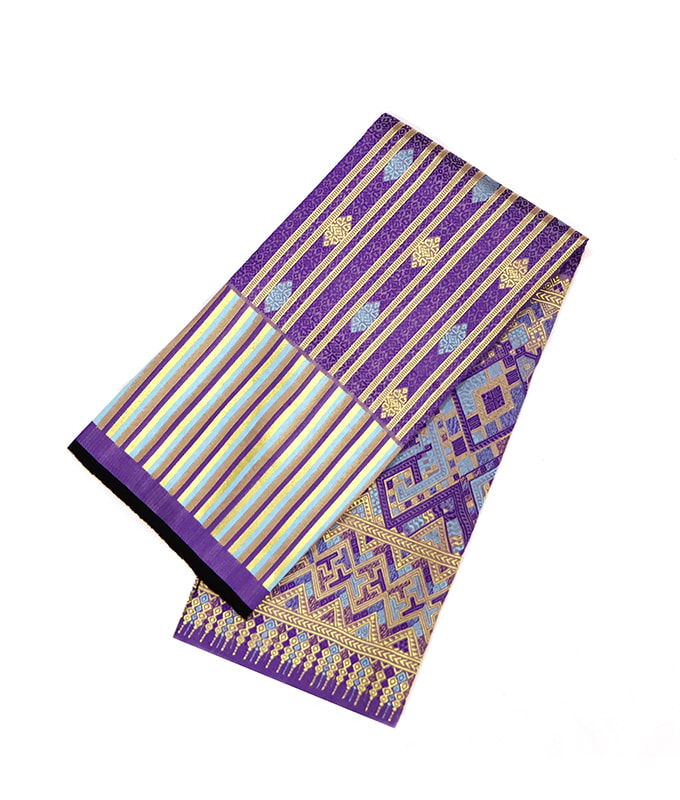
This Southeast Asian-style jacquard sarong fabric combines ethnic geometric motifs with striped elements. A soft light-purple ground is paired with go...
See Details -
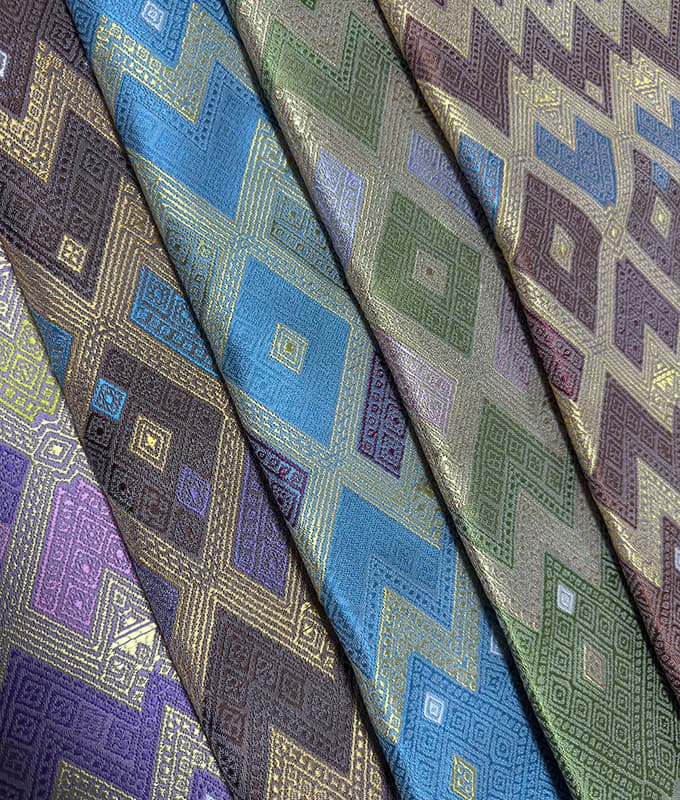
This Southeast Asian ethnic-style polyester jacquard fabric is made with a jacquard weaving technique. The staggered zigzag and diamond patterns carry...
See Details -
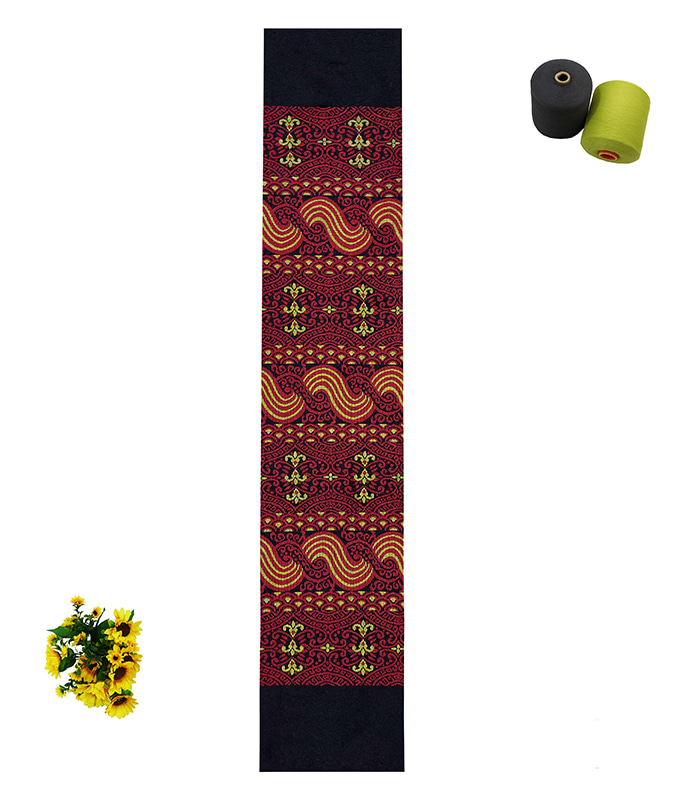
This Southeast Asian ethnic-style jacquard sarong fabric uses a sectioned structure. The top and bottom ends are solid-color blocks, while the main mi...
See Details -
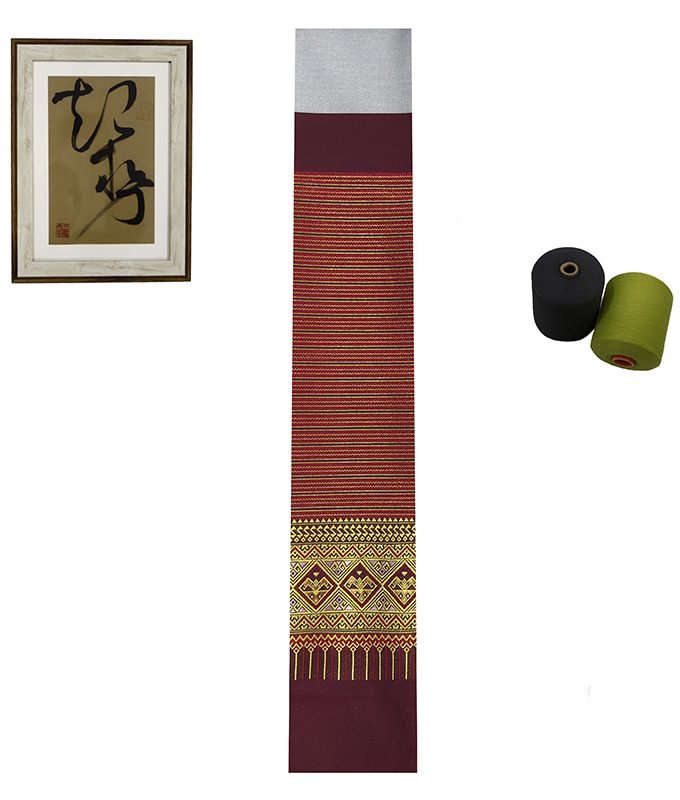
This Southeast Asian jacquard sarong fabric uses a sectioned design. The upper section is arranged with neat horizontal stripes, while the lower secti...
See Details -
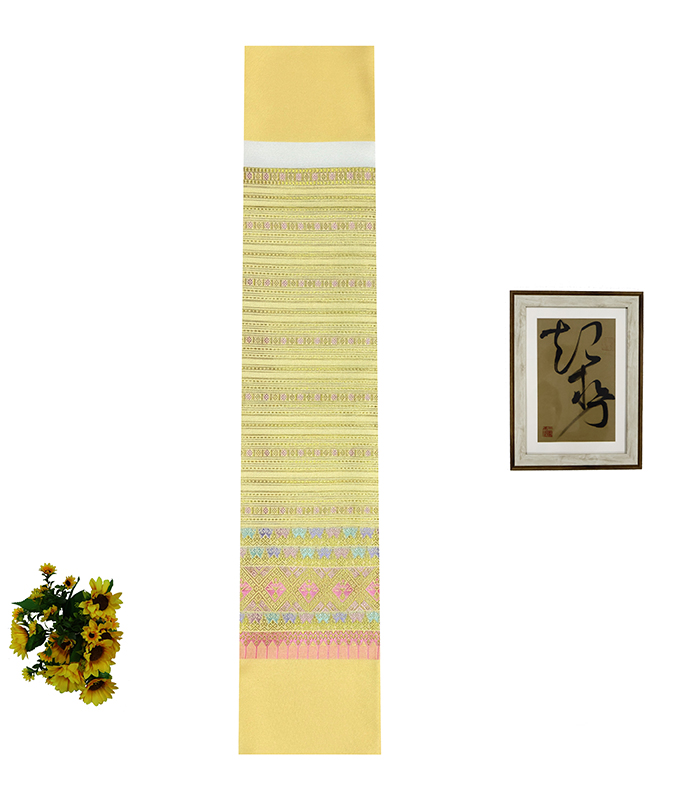
This traditional Southeast Asian jacquard sarong fabric uses a sectioned structure. The two ends are solid-color blocks, the main middle section is ar...
See Details