


 English
  عربى
عربى  中文简体
中文简体 
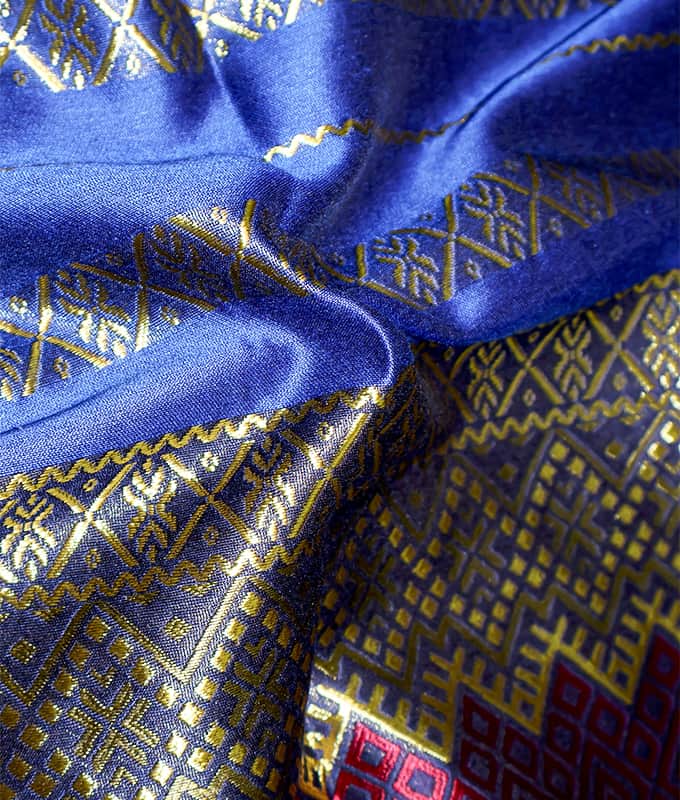
Sunflower Print Poly-Cotton Fabric for Sarong — a vibrant fabric inspired by sunflowers, radiating energy and brightness. Made with soft poly-cotton, ...
See DetailsPolyester Cotton Blended Sarong Fabric Wholesale: 65/35 vs 50/50, MOQ & Pricing Guide
Industry News-Content
- 1 Why Choose Polyester Cotton Blended Sarong Fabric for Wholesale?
- 2 Key Technical Specifications to Evaluate
- 3 Wholesale Pricing: MOQ, Unit Cost, and Sample Fees
- 4 Customization Options: Patterns, Colors, and Finishes
- 5 Quality Control and Eco-Certifications
- 6 Shipping, Packaging, and Logistics Considerations
- 7 Next Steps: From Inquiry to Delivery
Why Choose Polyester Cotton Blended Sarong Fabric for Wholesale?
Sourcing the right sarong fabric directly impacts your margins, product appeal, and return rates. Pure cotton feels soft but wrinkles easily and costs 35–50% more per yard. 100% polyester offers tight print registration and lower weight, yet lacks breathability. Polyester cotton blended sarong fabric bridges these gaps — it delivers 20–30% cost savings over cotton while retaining a natural handfeel and reliable durability.
The fusion of synthetic and natural fibers gives you better wrinkle recovery than cotton and improved moisture absorption compared to polyester. For wholesale buyers across Southeast Asia, the Middle East, and the Americas, this blend is the default choice for sarongs, pareos, and beach wraps that need to hold vivid prints through repeated washes.
| Parameter | 100% Polyester | 100% Cotton | Polyester Cotton Blend |
|---|---|---|---|
| Print sharpness | Excellent | Good | Excellent |
| Wrinkle resistance | High | Low | Medium-High |
| Breathability | Low | High | Medium |
| Shrinkage after wash | 0.5–1% | 3–5% | 1.5–2.5% |
| Bulk price range (per yard) | $1.80–$2.80 | $3.50–$5.00 | $2.50–$4.00 |
The numbers make the business case clear. To see how these fabrics look in finished products, browse our polyester cotton blended sarong fabric collection. Each design is developed with export-grade colorfastness and pre-shrunk finishing.
Key Technical Specifications to Evaluate
Not all polyester cotton blends behave the same way. Two ratios dominate the wholesale market: 65/35 (polyester/cotton) and 50/50. The difference of 15% shifts how the fabric drapes, accepts dye, and holds up to commercial laundering.
65/35 gives you a sturdier cloth with superior wrinkle resistance — ideal for beach apparel that gets packed and unpacked constantly. 50/50 leans closer to cotton’s softness and breathability, making it a favorite for daily-wear sarongs and indoor loungewear. The table below outlines the precise trade-offs.
| Property | 65% Polyester / 35% Cotton | 50% Polyester / 50% Cotton |
|---|---|---|
| Tensile strength (N) | ~450 | ~380 |
| Wrinkle recovery angle | 270° | 220° |
| Moisture regain | 3.8% | 5.2% |
| Dye absorption uniformity | Good | Very Good |
| Typical shrinkage (home wash) | 1.0–1.5% | 2.0–2.5% |
| Best for | High-turnover resort wear, promotional giveaways | Retail-quality everyday sarongs, boutique collections |
Weight is the next critical variable. We supply three standard options: 120 gsm for lightweight scarves and thin wraps, 150 gsm for classic sarong drape, and 180 gsm for heavier beach blankets and home textiles. A 150 gsm 65/35 fabric often becomes the economic sweet spot — it balances cost, feel, and long-term performance.
Wholesale Pricing: MOQ, Unit Cost, and Sample Fees
Order volume determines your real unit cost. A small trial run of 1,000 meters carries a different price structure than a full container load. The table below uses a 150 gsm 65/35 blended sarong fabric with standard reactive printing as a reference.
| Order Quantity (meters) | Price per Yard (USD) | Price per Meter (USD) | Typical Lead Time |
|---|---|---|---|
| 1,000 | $3.80 | $4.16 | 30 days |
| 5,000 | $3.20 | $3.50 | 30 days |
| 10,000 | $2.90 | $3.17 | 35 days |
| 20,000+ | Negotiable | Negotiable | 35–45 days |
Before placing a bulk order, always request a pre-production sample. Sampling fees range from $50 to $100 per design and cover lab dip matching and a 2–3 meter fabric swatch. Sample turnaround is typically 5–7 days via express courier. That small investment confirms color accuracy and handfeel before you commit to a full production run.
Remember that custom print development may add $80–$150 for cylinder engraving or screen preparation. Clarify whether these costs are one-time or recurring when comparing supplier quotes.
Customization Options: Patterns, Colors, and Finishes
Sarong buyers operate in diverse markets. A beach resort in Bali demands vibrant, photo-realistic prints, while a traditional market in Thailand often prefers jacquard-woven motifs with metallic accents. Understanding the trade-offs between customization techniques keeps your inventory aligned with customer expectations.
- Digital reactive printing: Best for complex, high-color designs. Cost-effective at medium volumes. Colorfastness rating can reach AATCC Grade 4–5. The print sits on the fabric surface, so heavy abrasion may cause gradual fading.
- Jacquard weaving: Patterns are woven directly into the fabric, creating a raised, three-dimensional texture. Durability is unmatched, but design changes require new loom setup and cost approximately 20% more per meter. For intricate Southeast Asian motifs, explore our polyester jacquard sarong fabric.
- Handstitched and appliqué decorations: Small-scale embellishments such as gold-thread stitching or border trim add perceived value. These finishes suit premium retail lines but increase per-unit labor cost by $0.50–$1.00.
You can further customize the fabric width (typical options include 45, 54, and 60 inches), hem type (rolled, fringed, or plain cut), and even specify a peached or brushed finish for extra softness. Every variable influences the final quote, so prioritize the features your clients actually need.
Quality Control and Eco-Certifications
European and North American importers now treat eco-certifications as baseline requirements, not marketing extras. A shipment without proper documentation risks customs delays or outright rejection. The five certifications below cover the most frequent buyer requests.
- OEKO-TEX Standard 100 — confirms the fabric is free from harmful levels of over 100 substances. This is the single most requested certificate for apparel textiles.
- REACH compliance — mandatory for goods entering the EU; demonstrates control over chemical substances throughout the supply chain.
- Global Organic Textile Standard — applies only to the cotton portion, but a GOTS certificate can strengthen your pitch to eco-conscious brands.
- ISO 9001 — indicates the factory follows consistent quality management processes.
- AATCC colorfastness test reports — provide exact ratings for light, wash, and rub fastness, removing ambiguity from color matching disputes.
During production, inline quality checks should occur at three stages: greige fabric inspection, pre-dispatch inspection of 10% of the finished rolls, and final random sampling per AQL 2.5 Level II. Request these reports proactively — factories who share them openly are the ones you can build long-term supplier relationships with.
Shipping, Packaging, and Logistics Considerations
Packaging choices directly affect freight costs and product condition upon arrival. Roll packing is the industry standard for volumes above 2,000 meters. Fold packing works better for small retail-ready batches, and vacuum packing can slash volume by up to 40% — though it may cause temporary creases that relax after steam ironing.
| Packaging Type | Rolls per Carton | Carton Dimensions (cm) | Approx. Freight Volume (CBM) |
|---|---|---|---|
| Roll (100m per roll) | 4 | 120 x 25 x 25 | 3.0 |
| Fold (25m per piece) | 20 | 60 x 40 x 35 | 4.2 |
| Vacuum packed | 6 compressed rolls | 100 x 20 x 20 | 1.8 |
For a 1,000-meter test shipment, the weight will be around 170 kg. Sea freight from major Asian ports to the U.S. West Coast averages $0.50–$0.70 per kg, while air freight ranges from $4.50 to $6.00 per kg. Sea transport plus inland trucking typically costs under $150 for such a shipment, compared to over $800 by air. Plan for 25–35 days ocean transit versus 5–7 days by air.
Always confirm whether the quoted price includes Incoterms like FOB, CIF, or DDP. A few dollars per meter saved on fabric can easily evaporate through unexpected destination charges. Get a full landed cost breakdown before you sign the purchase order.
Next Steps: From Inquiry to Delivery
A structured procurement process minimizes errors. Here’s how a typical wholesale order moves from concept to cargo.
- Submit your specifications: blend ratio, gsm, width, target price, and reference images.
- Receive a quotation and a lab dip sample offer within 2 working days.
- Approve the lab dip and pre-production sample. This step locks in color and feel.
- Mass production begins. Request an inline inspection photo report at the 30% and 70% completion points.
- Final random inspection per AQL 2.5 standard before packing.
- Shipment and provision of all documentation: commercial invoice, packing list, bill of lading, and compliance certificates.
Post-delivery, any color variation beyond AATCC Grade 4 should be flagged immediately. Pre-shrinking the fabric before cutting avoids complaints about dimensional change — we apply a compressive shrinkage finish on all blended sarong fabric as a standard process. If a defect ratio exceeds 2%, a reputable supplier will issue credit or replacement, provided photo evidence and a detailed report are submitted within 14 days of receipt.
The polyester cotton blended category remains one of the most stable and scalable segments in the global sarong trade. With the right technical data in hand, a wholesale buyer can negotiate precise terms and avoid costly surprises.
Related products
-
-
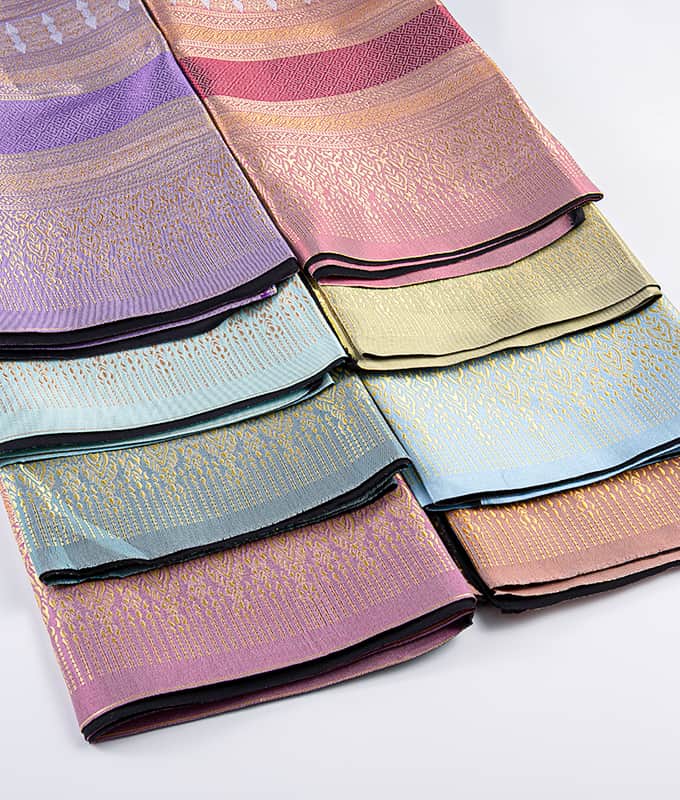
The Polyester Fabric for Popular Traditional Thai Sarong is crafted from carefully selected polyester filaments, with strict quality control from the ...
See Details -
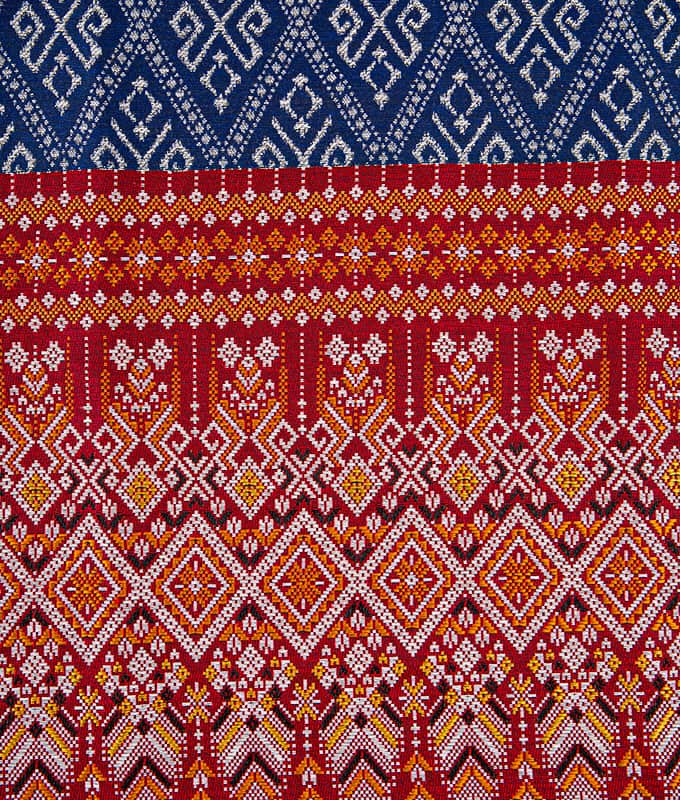
Hand-Stitched Style Poly-Cotton Fabric for Sarong— a refined blend of style and practicality, crafted to give tube skirts a smooth texture and a well-...
See Details -
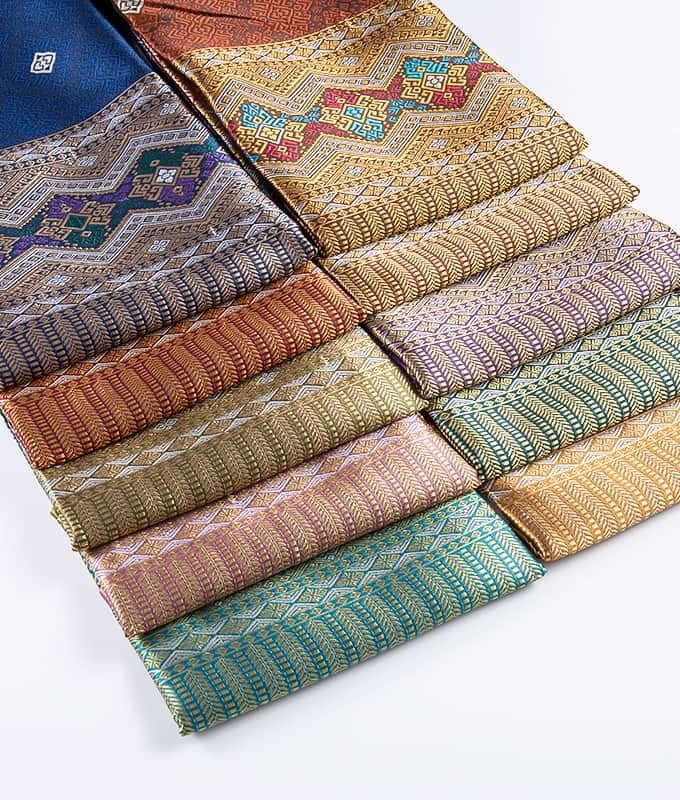
The Polyester Fabric for Traditional Southeast Asian Sarong Skirt bridges heritage and modernity. Rooted in cultural traditions, this fabric revitaliz...
See Details -
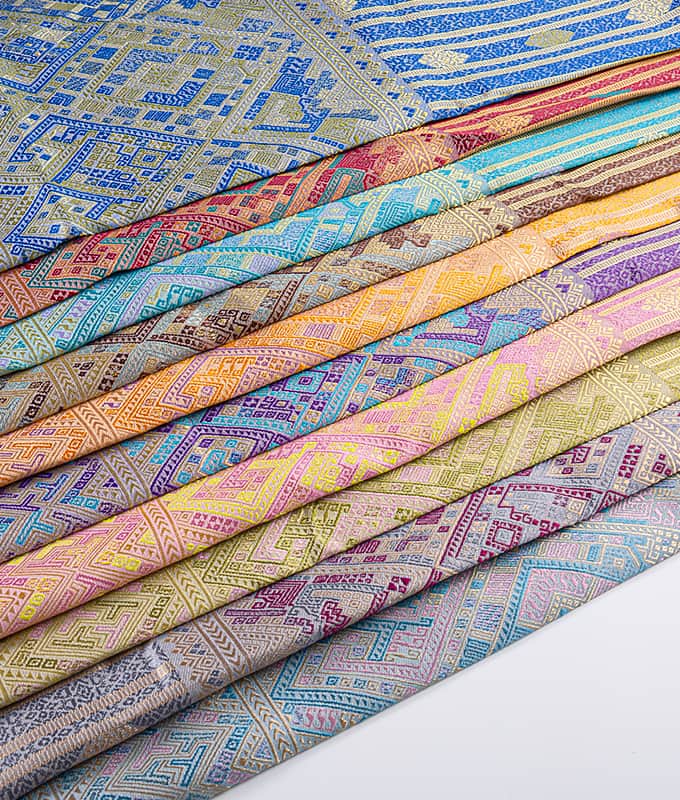
Hollow Polyester Jacquard Fabric for Laotian Traditional Sarong — a perfect fusion of Lao cultural heritage and modern fiber innovation. With symbolic...
See Details -
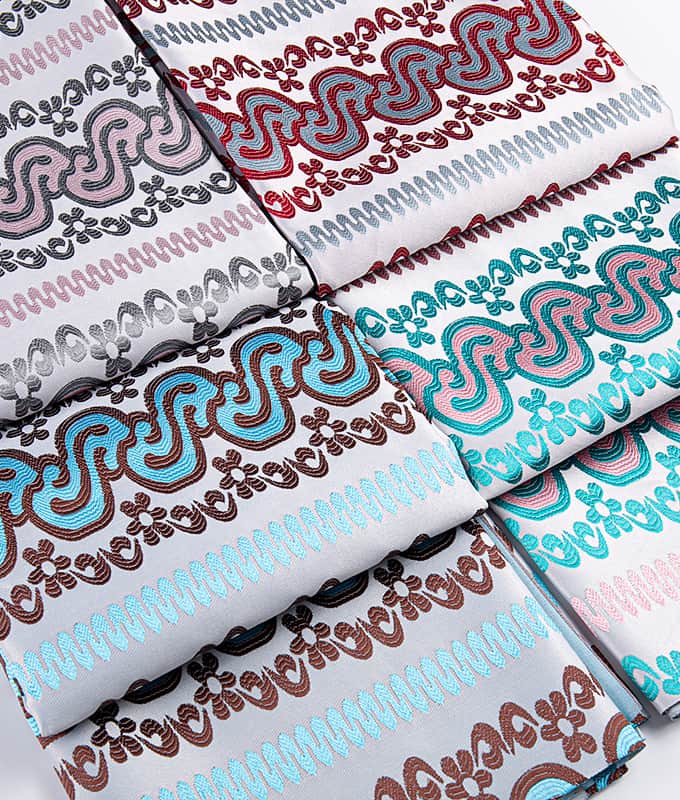
The S-Shaped 3D Textured Polyester Jacquard Fabric for Sarong combines elegance with durability. Crafted with advanced electronic jacquard technology,...
See Details

