English
  عربى
عربى  中文简体
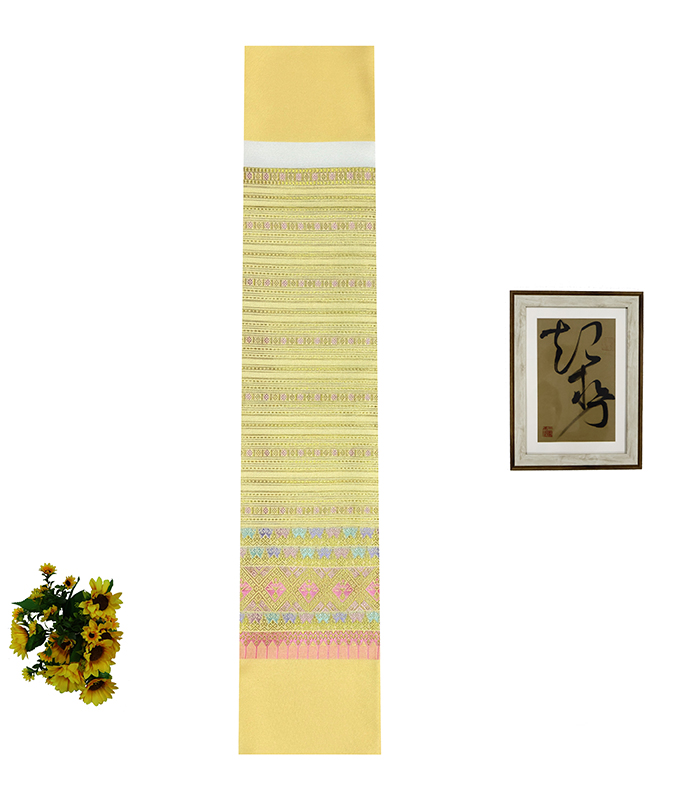
中文简体 This traditional Southeast Asian jacquard sarong fabric uses a sectioned structure. The two ends are solid-color blocks, the main middle section is ar...
See DetailsWhy Source Traditional Southeast Asian Fabric from Huzhou, China?
Industry News-Content
- 1 Huzhou's Textile Industry: A Foundation Built for Traditional Fabric
- 2 What Makes Sarong Fabric Technically Demanding to Source
- 3 Product Range and Customization: What to Expect from a Specialized Manufacturer
- 4 The Practical Buying Experience: Team, Lead Times, and Sampling
- 5 Why Buyers Keep Coming Back to Huzhou Suppliers
Huzhou's Textile Industry: A Foundation Built for Traditional Fabric
Huzhou, located in northern Zhejiang Province, sits at the heart of China's most established textile manufacturing belt. The region has produced silk and woven fabrics for over a thousand years, and today that heritage has evolved into a highly specialized industrial cluster focused on jacquard weaving, printed fabric, and ethnic textile production. Within this ecosystem, manufacturers have developed deep technical knowledge of the specific constructions — tight weaves, structured patterns, controlled drape — that traditional Southeast Asian garments require.
For buyers sourcing sarong fabric, Pha Sin, Longyi, Kain, or Sampot, the concentration of skilled weavers, pattern designers, and finishing specialists in this region means a level of product accuracy that generalist fabric factories simply cannot match. Traditional ethnic garments are not interchangeable — each market has distinct expectations around pattern density, color contrast, fabric weight, and hand feel. Suppliers operating here have refined these details through years of direct feedback from Southeast Asian importers and distributors.
Huzhou is also strategically positioned for export logistics. It sits approximately 100 kilometers east of Shanghai Pudong International Airport and roughly 100 kilometers south of Hangzhou Xiaoshan International Airport, with direct highway access via the Shenjiahu Expressway. This dual-airport proximity gives buyers flexible shipping options for both air freight samples and full container sea freight — a practical advantage when working to tight seasonal deadlines.
What Makes Sarong Fabric Technically Demanding to Source
Many buyers underestimate how technically specific Southeast Asia national traditional sarong fabric actually is. Unlike commodity apparel fabric, sarong fabric must perform a structural role — it needs to wrap, fold, and hold its shape when worn without fasteners. This places precise demands on fabric weight, thread count, and weave stability that vary significantly between markets.
The three main construction categories each serve different end markets:
- Polyester jacquard sarong fabric — produces complex woven patterns with a structured, slightly lustrous surface. Well suited for ceremonial wear, formal traditional garments, and markets where visual richness is prioritized, including Thailand (Pha Sin), Laos, and parts of Cambodia.
- Poly-cotton blended sarong fabric — combines breathability with pattern durability. Common across Indonesia, Malaysia, and Myanmar, where daily-wear sarongs require both comfort in tropical climates and resistance to repeated washing.
- 100% cotton plaid sarong fabric — the traditional choice for markets with strong heritage preferences, particularly where handwoven aesthetics are valued. Cotton plaid constructions are also widely used in men's sarong styles across Southeast Asia.
Getting the construction right for each target market is not optional — buyers who source mismatched fabric types face returns, unsold inventory, and damaged relationships with local distributors. This is precisely where working with a factory that has accumulated market-specific experience over many years makes a measurable difference.
Product Range and Customization: What to Expect from a Specialized Manufacturer
One of the clearest advantages of sourcing from a dedicated sarong fabric manufacturer — rather than a general fabric trading company — is the breadth of patterns and constructions available from existing inventory, combined with genuine custom development capability. Established Huzhou factories typically maintain hundreds of active jacquard patterns and printed designs, organized by regional market preference, which shortens development timelines significantly for buyers who need to match specific local tastes.
At Zhengyan Textile, the product line covers the full range of constructions used across Southeast Asian markets: polyester jacquard sarong fabrics with 3D textured effects and silk-like finishes for premium Thai and Lao markets, poly-cotton blended prints for everyday Indonesian and Malaysian demand, and 100% cotton plaid options for buyers serving more traditional markets. Beyond standard catalog items, the factory supports custom pattern development — including color-matching to regional specifications and adaptation of traditional motifs into modern constructions.
| Fabric Type | Key Markets | Primary Use |
|---|---|---|
| Polyester Jacquard Sarong Fabric | Thailand, Laos, Cambodia | Ceremonial wear, Pha Sin, formal traditional garments |
| Poly-Cotton Blended Sarong Fabric | Indonesia, Malaysia, Myanmar | Daily wear, Kain, Longyi, casual sarong styles |
| 100% Cotton Plaid Sarong Fabric | Across Southeast Asia | Heritage styles, men's sarong, traditional retail |
All products are manufactured to meet European environmental standards — an important credential for buyers who sell into markets with strict import compliance requirements or who work with retail partners that require material safety documentation.
The Practical Buying Experience: Team, Lead Times, and Sampling
For international buyers, the quality of the sourcing experience often comes down to communication responsiveness, sampling efficiency, and reliability of production timelines. These factors are especially critical in the ethnic fabric segment, where seasonal demand cycles — tied to festivals, religious observances, and local retail patterns — create narrow windows for stock replenishment.
A dedicated professional sales team, combined with in-house production, allows buyers to move from sample request to production confirmation without the delays that come with trading company intermediaries. Direct factory relationships also provide greater transparency around lead times, material specifications, and order adjustments — all of which reduce risk when planning inventory for specific market events.
For buyers new to sourcing traditional Southeast Asian sarong fabric from China, the most effective starting point is requesting a fabric sample set that covers the key constructions relevant to your target market. This allows direct comparison of hand feel, pattern clarity, and color accuracy before committing to any production order — and it is the standard practice among experienced importers working with Huzhou manufacturers.
Why Buyers Keep Coming Back to Huzhou Suppliers
Repeat business in the ethnic fabric trade is driven by a combination of product consistency and supplier reliability. Buyers who have invested time in developing patterns and color standards with a factory need confidence that reorders will match the original specifications — especially for branded or heritage-market products where visual consistency is non-negotiable.
Huzhou manufacturers that have operated for over a decade and built their reputation specifically around Southeast Asian traditional fabric tend to attract loyal buyer relationships precisely because their specialization creates accountability. A factory whose core business is sarong and ethnic fabric has strong incentive to maintain product standards — their entire customer base depends on it.
For importers, wholesalers, and garment brands serving Southeast Asian markets, Huzhou offers a rare combination: deep product specialization, established manufacturing infrastructure, competitive pricing driven by regional supply chain concentration, and logistical access to global shipping routes. These factors together explain why buyers from Thailand, Indonesia, Malaysia, and beyond continue to source from this region rather than seeking alternatives closer to their end markets.
Related products
-
-
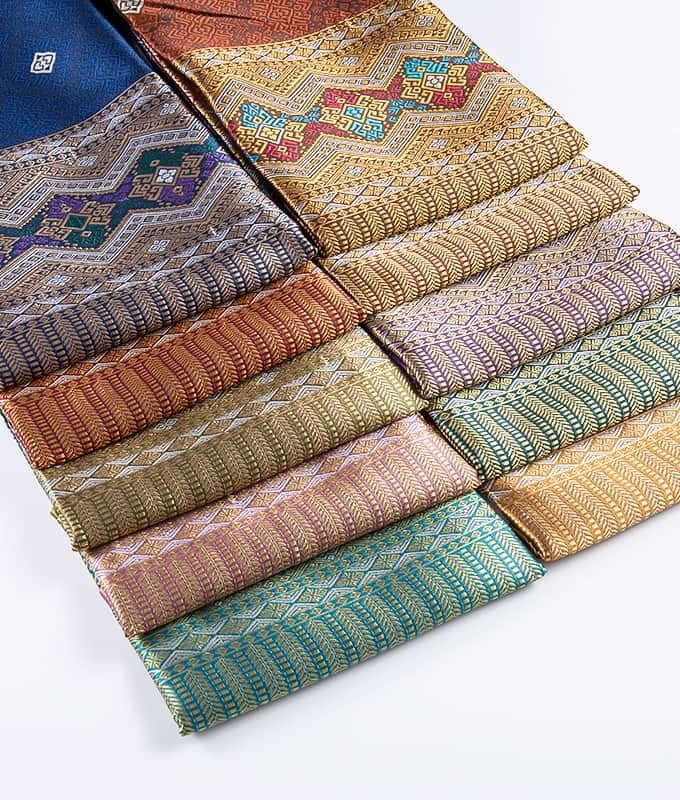
The Polyester Fabric for Traditional Southeast Asian Sarong Skirt bridges heritage and modernity. Rooted in cultural traditions, this fabric revitaliz...
See Details -
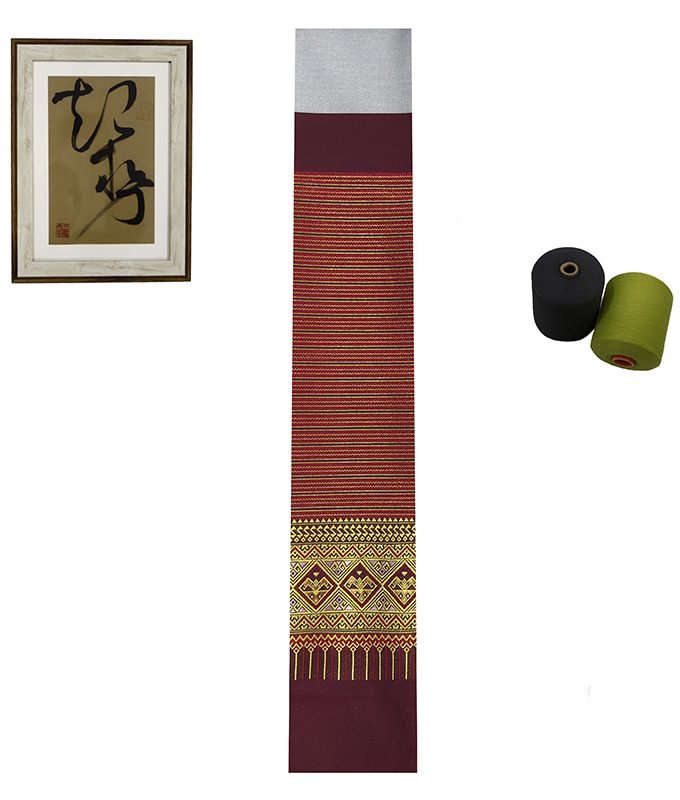
This Southeast Asian jacquard sarong fabric uses a sectioned design. The upper section is arranged with neat horizontal stripes, while the lower secti...
See Details -
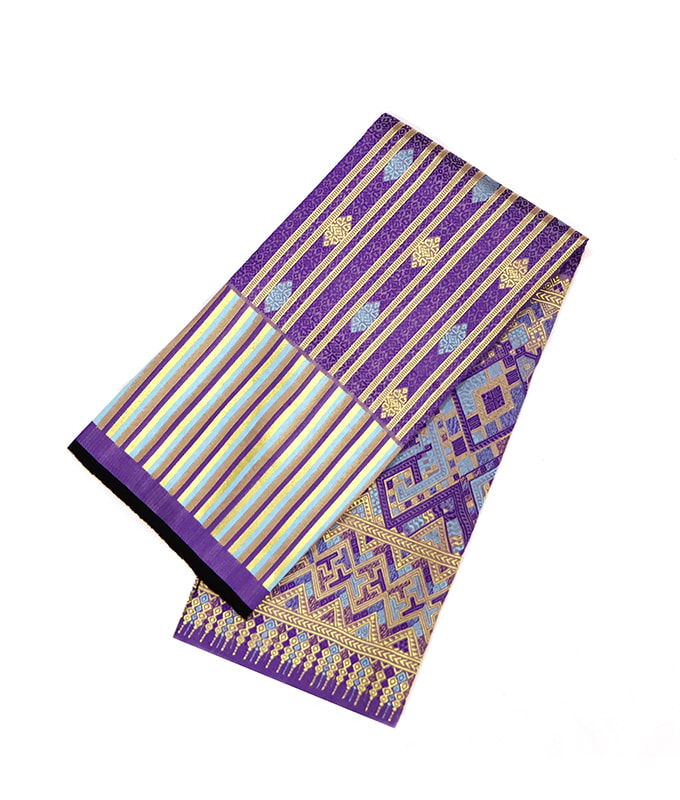
This Southeast Asian-style jacquard sarong fabric combines ethnic geometric motifs with striped elements. A soft light-purple ground is paired with go...
See Details -
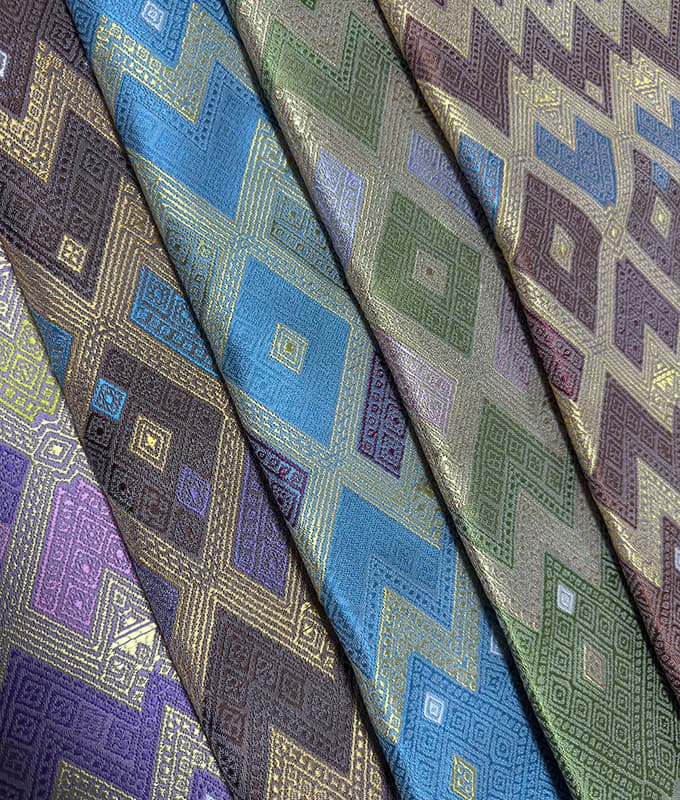
This Southeast Asian ethnic-style polyester jacquard fabric is made with a jacquard weaving technique. The staggered zigzag and diamond patterns carry...
See Details -
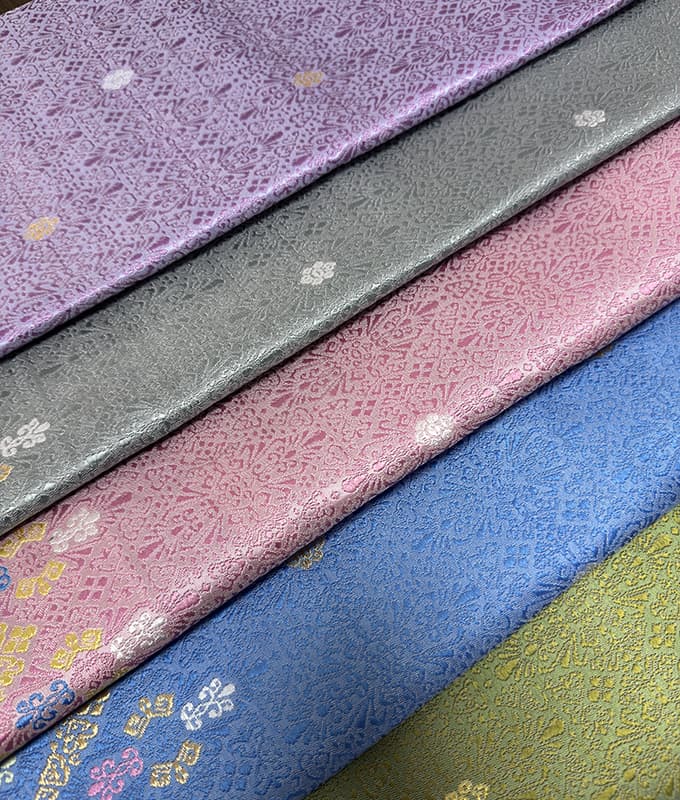
This Southeast Asian-style polyester jacquard fabric is made with a jacquard weaving technique and blends traditional ethnic geometric patterns into a...
See Details