English
  عربى
عربى  中文简体
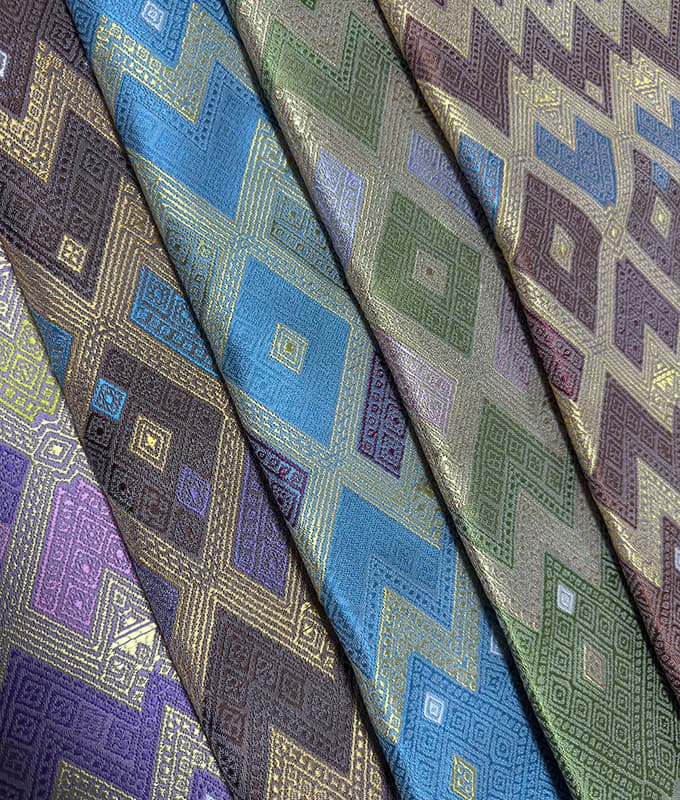
中文简体 This Southeast Asian ethnic-style polyester jacquard fabric is made with a jacquard weaving technique. The staggered zigzag and diamond patterns carry...
See DetailsCotton vs Polyester Keffiyeh: A Wholesale Buyer's Guide to Fabric Selection
Industry News-Content
- 1 Why Fabric Choice Is a Wholesale Decision, Not Just a Product Detail
- 2 Cotton Keffiyeh: What Wholesalers Should Know
- 3 Polyester Keffiyeh: What Wholesalers Should Know
- 4 Head-to-Head Comparison
- 5 Which Markets Prefer Which Material?
- 6 Blended Options: The Middle Ground Worth Considering
- 7 How to Choose the Right Keffiyeh Fabric for Your Business
Why Fabric Choice Is a Wholesale Decision, Not Just a Product Detail
When sourcing keffiyehs in bulk, most buyers focus on price per unit and minimum order quantities. Fabric composition, however, is often treated as a secondary consideration — and that is a costly oversight. The material you stock directly determines which customer segments you can serve, how your products are perceived in different markets, and what retail margins you can realistically achieve.
Cotton and polyester keffiyehs are not simply two versions of the same product at different price points. They serve different end users, suit different sales channels, and carry different risk profiles for a wholesale business. Understanding these distinctions before you place a large order is one of the most straightforward ways to protect your investment and grow repeat business from your buyers.
This guide breaks down both materials from a wholesaler's perspective — covering not just what the fabrics feel like, but what they mean for your margins, your target markets, and your sourcing strategy.
Cotton Keffiyeh: What Wholesalers Should Know
Cotton has been the traditional material for keffiyehs for centuries, and that history carries commercial weight. For buyers who are serving Middle Eastern markets, culturally conscious consumers, or retailers who market authenticity as a selling point, cotton remains the expected standard.
From a product performance standpoint, cotton offers natural breathability and moisture absorption — qualities that matter enormously in the hot, dry climates where keffiyehs are worn daily. A 100% cotton keffiyeh with a well-balanced weave density keeps wearers cooler than synthetic alternatives and softens further with repeated washing, which is a tangible quality point your retail customers can communicate to end buyers.
From a wholesale perspective, cotton keffiyehs typically command a higher unit price, which translates to better retail margin potential. Buyers in premium segments — specialty boutiques, cultural goods retailers, outdoor gear stores positioning themselves at the high end — are willing to pay more for a cotton product they can label and market with confidence. Cotton also accepts natural dyes and traditional weave patterns more readily, making it the preferred choice for custom or private-label programs that emphasize heritage aesthetics.
The trade-off wholesalers should anticipate is that cotton is more sensitive to moisture during storage and transit, requires more careful handling to prevent shrinkage, and is generally heavier per unit — a factor that affects shipping costs on large orders. If you are sourcing wholesale cotton keffiyeh options available for bulk order, work closely with your supplier to confirm GSM (grams per square meter) weight, thread count, and pre-shrinkage treatment before finalizing specifications.
Polyester Keffiyeh: What Wholesalers Should Know
Polyester keffiyehs have expanded significantly in global markets over the past decade, driven by their cost efficiency, color versatility, and durability in high-volume retail environments. For wholesalers targeting fashion-forward buyers, promotional merchandise clients, or price-sensitive markets, polyester often provides a more practical foundation for a profitable product range.
The most commercially relevant advantage of polyester is its ability to hold vibrant, consistent color across large production runs. Printed patterns stay sharp, colors do not fade after repeated washing at the same rate as cotton, and the fabric is more resistant to wrinkling during storage and display. For buyers who sell through e-commerce platforms or gift and lifestyle retail — where visual appeal in product photography drives conversion — polyester keffiyehs are easier to photograph and present well at every price point.
From a cost structure standpoint, polyester typically offers lower unit prices and greater flexibility on order quantities, which reduces financial risk on initial orders. Lead times for polyester production runs are often shorter, and the fabric is more forgiving in humid or variable storage conditions — a practical consideration for distributors operating across multiple climates or managing large warehouses.
The limitation worth noting is market perception. In traditional Middle Eastern retail contexts and among culturally knowledgeable buyers, polyester is frequently associated with lower quality or imitation products. Wholesalers who plan to serve both market types are advised to maintain separate product lines rather than presenting polyester options as a substitute for cotton in markets where the distinction matters. For those targeting volume-driven channels where price and appearance are the primary drivers, bulk polyester keffiyeh for high-volume wholesale buyers offers a reliable and scalable sourcing route.
Head-to-Head Comparison
| Factor | 100% Cotton Keffiyeh | 100% Polyester Keffiyeh |
|---|---|---|
| Unit Cost (wholesale) | Higher | Lower |
| Retail Price Potential | Higher (premium positioning) | Moderate (volume positioning) |
| Breathability | Excellent | Moderate |
| Color Vibrancy | Moderate (natural tones preferred) | High (bright, consistent prints) |
| Durability in Retail Storage | Good (requires dry conditions) | Very Good (moisture-resistant) |
| Market Perception | Traditional, authentic, premium | Modern, affordable, fashion-forward |
| MOQ Flexibility | Moderate | High |
| Custom / Private Label Suitability | Excellent for heritage branding | Excellent for fashion branding |
| Shipping Weight per Unit | Heavier | Lighter |
For a broader look at the full product range across both fabric types and styles, the full range of Arabic head scarf styles for wholesale sourcing covers the available options in detail, including size variations and weave patterns suited to different market requirements.
Which Markets Prefer Which Material?
Market preference for keffiyeh fabric is not uniform — it follows geography, end use, and buyer demographics with a reasonable degree of predictability. Wholesalers who map their sourcing decisions to these patterns reduce the risk of overstocking a product that does not resonate with their distribution channel.
Middle Eastern and traditional cultural markets strongly favor 100% cotton keffiyehs. In countries such as Jordan, Saudi Arabia, Palestine, and the UAE, the keffiyeh is a garment with daily cultural and religious significance. Buyers in these markets — whether retail chains, souq vendors, or cultural garment distributors — generally expect cotton as the default and may reject polyester alternatives outright or offer substantially lower prices for them.
Western fashion and lifestyle markets (Europe, North America, Australia) show more flexibility. In these markets, the keffiyeh is often worn as a fashion accessory or solidarity symbol rather than a traditional garment. Polyester options with vibrant colors and modern print designs perform well in gift shops, political merchandise outlets, and fashion boutiques. Cotton options sell well at premium price points in stores that emphasize ethical sourcing or artisan craftsmanship.
Military, tactical, and outdoor markets represent a distinct third category. Buyers here — army surplus distributors, outdoor equipment wholesalers, tactical gear retailers — typically prioritize durability, weight, and value. Cotton-polyester blends are particularly popular in this segment. Pure polyester options are accepted if they meet weight and durability benchmarks; pure cotton options are valued for temperature regulation in desert environments. To better understand how color and pattern choices influence purchasing decisions across different regional buyer profiles, the guide on understanding regional shemagh color preferences before buying is a practical complement to fabric selection decisions.
Blended Options: The Middle Ground Worth Considering
A cotton-polyester blend — typically in a 65/35 or 50/50 ratio — merits serious consideration for wholesalers who want to serve more than one market segment from a single product line. Blended keffiyehs offer a workable compromise: better breathability than pure polyester, better wrinkle resistance than pure cotton, and a unit cost that sits between the two.
Blended fabrics are particularly effective for private-label programs targeting mid-range retail channels, where buyers want a product that can be positioned as quality-conscious without the price premium of full cotton. They also perform well in climates that are variable rather than extreme — a relevant consideration for wholesalers distributing across multiple regions with a single SKU.
The trade-off is that blended keffiyehs occupy a middle position in market perception as well. They rarely satisfy buyers who specifically seek the premium authenticity of cotton, and they may be over-specified (and over-priced) for buyers who are primarily cost-driven and comfortable with polyester. For most wholesalers, blends work best as a deliberate third tier in a product range rather than a default choice.
How to Choose the Right Keffiyeh Fabric for Your Business
The right fabric choice follows directly from three questions every wholesaler should answer before placing an order:
- Who is your end customer? If your buyers serve traditional Middle Eastern or culturally significant markets, default to cotton. If your buyers are in fashion, gift, or promotional merchandise, evaluate polyester or blended options seriously.
- What is your target retail price point? Cotton supports higher retail prices and better margin storytelling. Polyester supports volume-driven pricing strategies with tighter margins but higher turnover potential.
- What are your storage and logistics conditions? If you operate in humid environments, ship long distances, or manage large seasonal inventories, polyester's resilience is a practical advantage that reduces shrinkage and quality claims.
For businesses that serve multiple channels or are entering the keffiyeh market for the first time, carrying both cotton and polyester options — even at different MOQ thresholds — is often the most effective approach. This allows you to respond to different buyer needs without overcommitting to a single specification, and it gives you real market data to inform future sourcing decisions.
If you are ready to move forward with sampling or need bulk pricing across fabric options, request a sample or bulk pricing quote to discuss your specific requirements, including fabric weight, weave style, size, and custom label options.
Related products
-
-
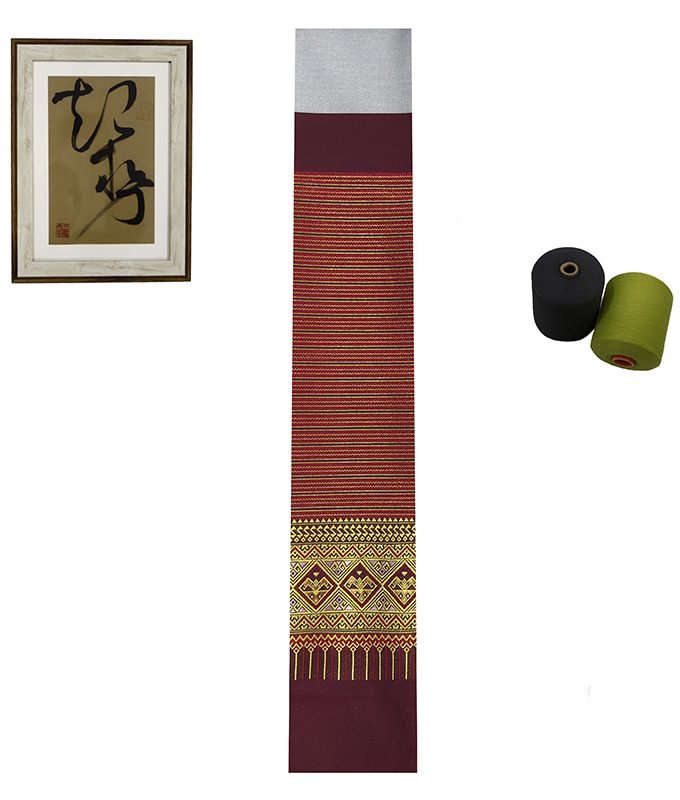
This Southeast Asian jacquard sarong fabric uses a sectioned design. The upper section is arranged with neat horizontal stripes, while the lower secti...
See Details -
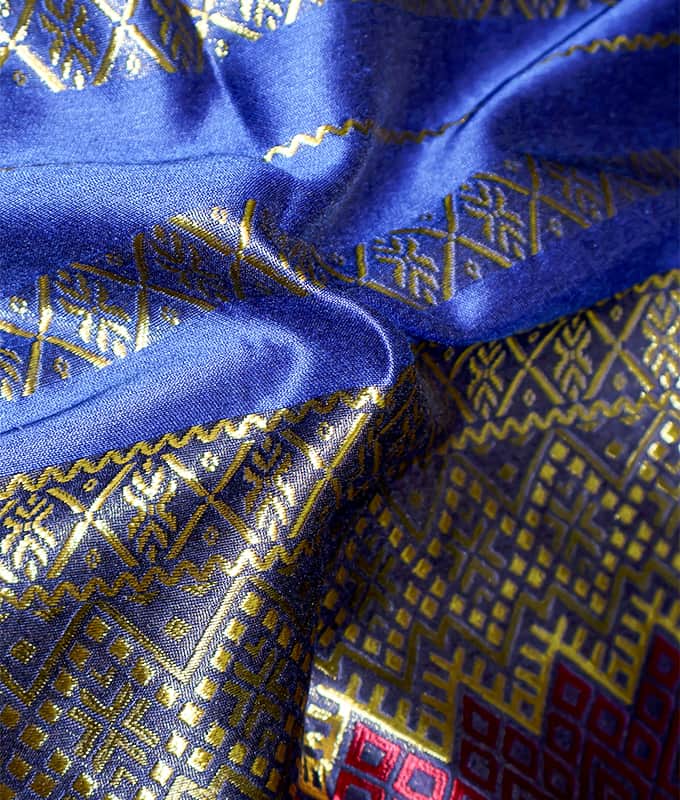
100% Polyester Jacquard Pattern Colorful Southeast Asian Sarong Fabric – durable, vibrant, and easy to care for, designed to bring both beauty and pra...
See Details -
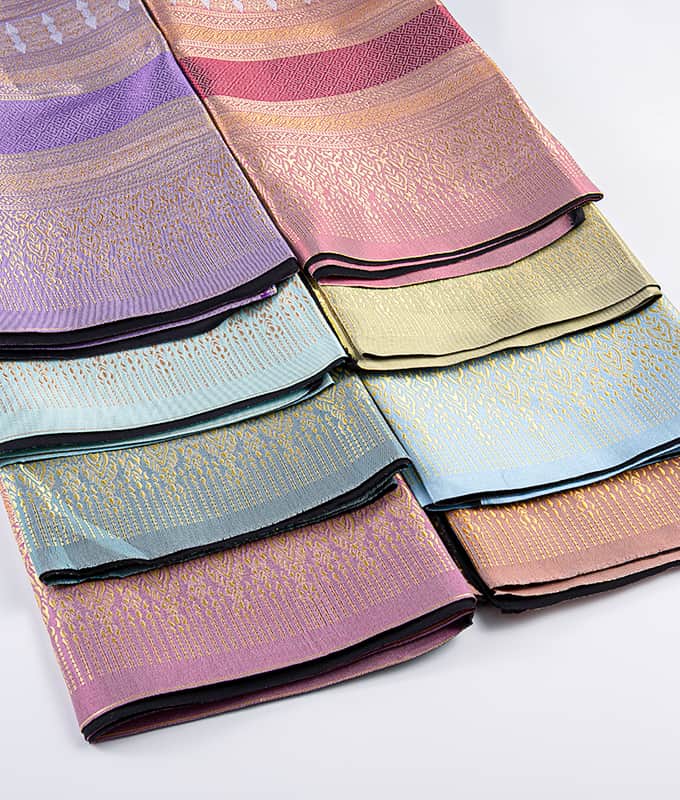
The Polyester Fabric for Popular Traditional Thai Sarong is crafted from carefully selected polyester filaments, with strict quality control from the ...
See Details -
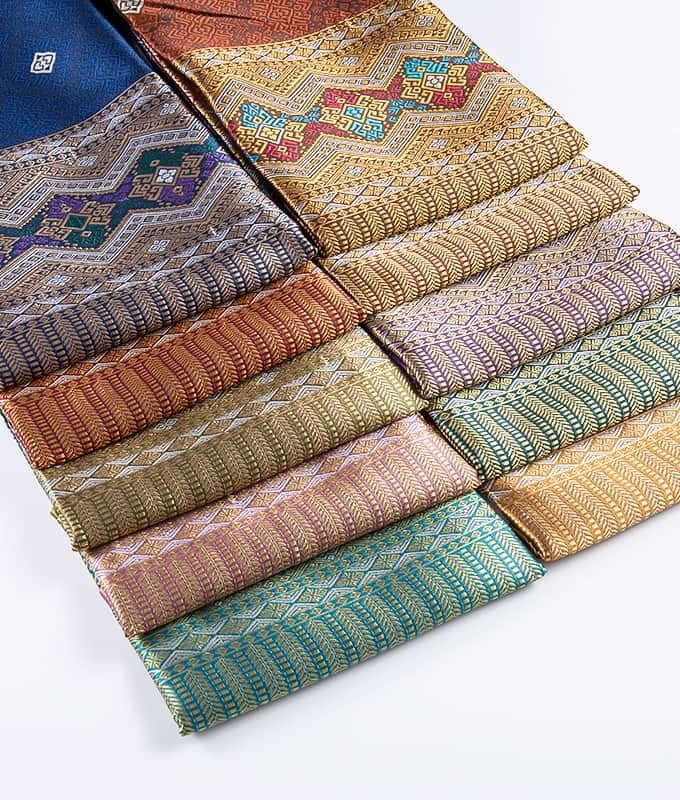
The Polyester Fabric for Traditional Southeast Asian Sarong Skirt bridges heritage and modernity. Rooted in cultural traditions, this fabric revitaliz...
See Details -
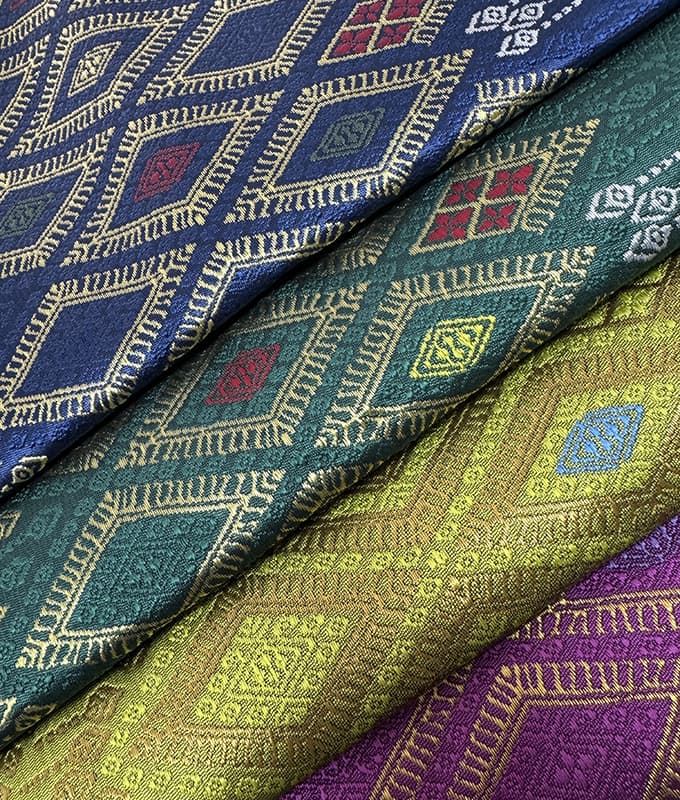
This Southeast Asian ethnic-style polyester jacquard fabric is made with a jacquard weaving technique. A classic diamond geometric pattern is paired w...
See Details