English
 عربى
 中文简体
Hand-Stitched Style Poly-Cotton Fabric for Sarong— a refined blend of style and practicality, crafted to give tube skirts a smooth texture and a well-...
See DetailsFabric Structure and Sarong Drape: How Weave, Weight, and Finish Shape Flow
Industry News-Content
- 1 Drape Is a Structural Property, Not Just Softness
- 2 The Weave Architecture: Plain, Twill, Jacquard, and Gauze
- 3 Yarn Count, Twist, and Fiber Choice
- 4 GSM and Cover Factor: The Weight-to-Stiffness Balance
- 5 Finishing Changes the Hand, and Sometimes the Hang
- 6 Jacquard Pattern and Float Direction
- 7 How to Test Drape Before Bulk Production
- 8 Matching Structure to the Wrap and the Wearer
A sarong can look effortless, but the way it falls is not an accident. It starts in the loom: how warp and weft cross, how much twist sits in the yarn, how heavy the cloth is, and how it is finished. After years of weaving wraps and sarong fabrics for Southeast Asian and Middle Eastern markets, we tend to treat drape as a structural result rather than a vague “softness.”
Drape Is a Structural Property, Not Just Softness
Drape describes how a fabric bends under its own weight when part of it is unsupported. Two cloths can feel equally soft in the hand and still hang very differently. One falls into long, quiet folds; the other stands away from the body or collapses into cling.
Three factors dominate the behaviour you see at the wearer’s hip and shoulder: bending rigidity, shear stiffness, and weight per square metre. Bending rigidity resists the fold. Shear stiffness controls how the cloth twists and skews as it wraps. Weight pulls the structure down. A good sarong balances all three, so the fabric holds a wrap without feeling boardy.
The Weave Architecture: Plain, Twill, Jacquard, and Gauze
Weave is the first decision because it sets the interlacing pattern. A tight, balanced plain weave gives stable folds and a dry hand. Twill introduces diagonal floats, which usually make the cloth more supple. Jacquard is not one uniform structure: the pattern controls where floats sit, so different areas of the same sarong can behave differently. Gauze and leno structures are open and airy, with a lighter, more collapsing drape.
| Structure | Interlacing | Typical Hand | Drape Behaviour | Common Use |
|---|---|---|---|---|
| Plain weave | One warp over one weft | Balanced, dry, stable | Moderate body; folds hold and release cleanly | Cotton plaid, everyday wraps |
| Twill | Diagonal floats over two or more ends | Supple, slightly heavier | Fluid diagonal fold; good recovery | Draped skirts, structured sarongs |
| Jacquard | Pattern-controlled interlacing with varied floats | From crisp to silky | Mixed drape; long floats soften, short floats support | Ceremonial and decorative sarongs |
| Gauze or leno | Open, crossed ends | Airy, soft | Light collapse; can cling in humidity | Beach wraps, scarves, layering |
| Satin | Long warp floats | Smooth, lustrous | High fluidity; low support | Evening and Pha Sinh styles |
Plain weave is the quiet workhorse. A 100% cotton plaid sarong fabric, for example, gets its crisp fold lines from the balanced interlacing and the body of the cotton yarn. It wraps securely and keeps a neat edge, which is why plaid remains a practical choice for daily wear.
 100% Cotton Plaid Southeast Asia Sarong FabricA pure cotton plaid sarong fabric for wholesale, breathable and moisture-absorbent, suited to traditional sarongs, clothing, and home furnishings; detailed specifications are not listed.View Product →
Jacquard needs a closer look. The pattern is woven in, not printed on, so the float length changes from motif to motif. A floral with long, loose floats can feel silky and liquid; a tight geometric with short floats feels firmer and more architectural. That is why two jacquard sarongs with the same GSM can drape quite differently.
Yarn Count, Twist, and Fiber Choice
Finer yarns can be packed more closely or woven more openly, and both routes change the hand. Low-twist yarns feel softer and bend more easily, but they can pill or snag. Higher-twist yarns give a drier, crisper surface and better recovery, which helps a wrap stay in place. Filament polyester can slide into a fluid, silky drape, while staple cotton tends to offer more body and a matte fold.
Blends are useful because they let you tune the balance. A poly-cotton blend can keep the shape of cotton while adding the smooth fall and strength of polyester. The handstitched-style poly-cotton sarong is a good example of structure and softness working together: the weave supplies the look, and the blend supports a relaxed but controlled wrap.
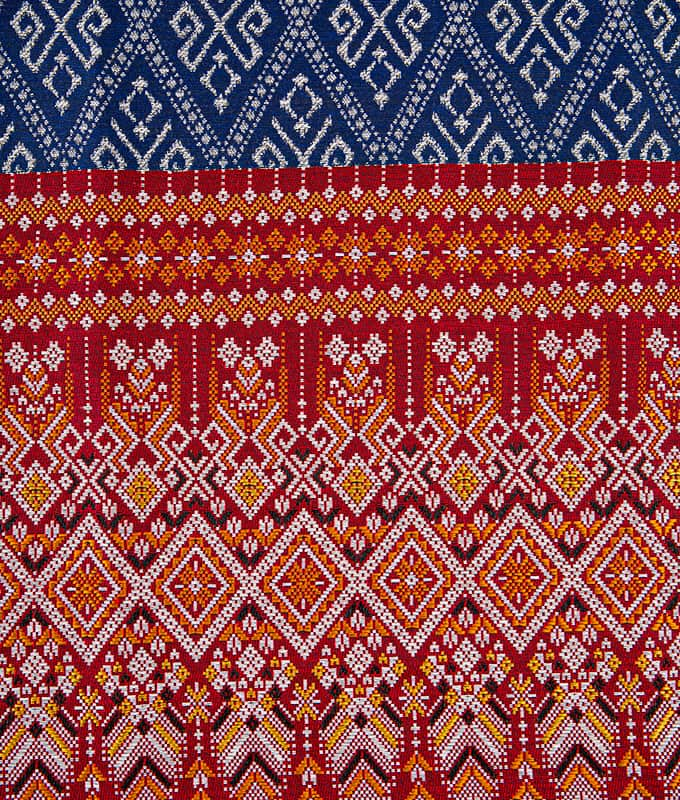 Custom Hand-Stitched Style Poly-Cotton Sarong FabricA 65% polyester/35% cotton sarong fabric with smooth texture, structured silhouette, wrinkle resistance, and custom colors, sizes, and patterns; 400 g weight.View Product →
GSM and Cover Factor: The Weight-to-Stiffness Balance
Weight is easy to measure and hard to judge alone. A very light sarong may cling in heat or lift in the wind. A very heavy one can feel protective but may stand away from the body. Cover factor matters too: a tightly set cloth can be light yet firm, while an open cloth can be heavier but still airy.
- Lightweight, roughly 70–100 gsm: airy, quick-drying, and soft, but less supportive in a tight wrap.
- Midweight, roughly 100–150 gsm: the most versatile range for everyday sarongs, with enough weight to fall and enough softness to fold.
- Heavier, roughly 150–220 gsm: stronger body and deeper folds, often used for ceremonial or structured styles.
These are starting points, not rules. Yarn count, float length, and finishing can move the hand up or down without a large change in scale weight.
Finishing Changes the Hand, and Sometimes the Hang
Finishing can soften a firm greige cloth or give it memory. Washing relaxes tension and can increase drape. Calendering flattens the surface and can make the cloth feel smoother but slightly less lofty. Heat setting gives polyester shape retention, which helps a wrap recover after tying. Softeners improve hand, but too much can make a sarong slippery and difficult to secure.
Shrinkage control matters as much as softness. A sarong that drapes well in the sample but tightens after the first wash will behave like a different fabric. Pre-shrinking and controlled finishing keep the fold behaviour closer to the sample the buyer approved. A silky polyester jacquard for Thai Pha Sinh styles often relies on this balance: a smooth, fluid surface with enough memory to hold a formal wrap.
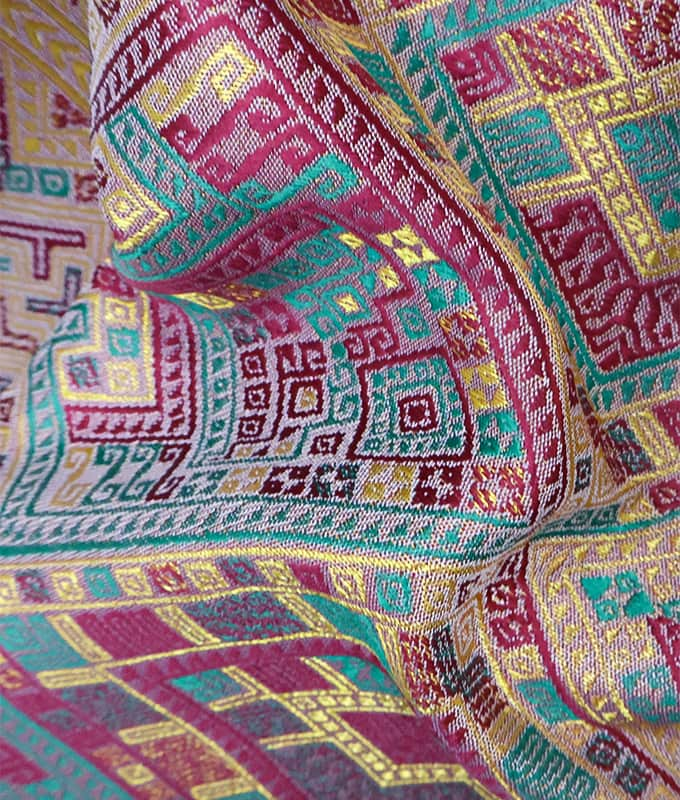 Silk-like Polyester Jacquard Fabric for Thai Pha Sinh SarongA 100% polyester jacquard for Thai Pha Sinh sarongs, offering fluid drape, wrinkle resistance, breathability, and washability; custom colors, sizes, and patterns available.View Product →
Jacquard Pattern and Float Direction
In jacquard sarongs, pattern placement is a structural decision. Long floats create soft, reflective areas that bend easily, while short floats and dense ground areas provide support. A border with extra weft or metallic thread adds weight at the edge, so the hem may hang differently from the centre. Vertical gold-thread stripes can act like slight ribs, encouraging straight folds. An allover motif may distribute stiffness more evenly.
This is why we evaluate a jacquard sample both flat and hanging. The pattern that looks balanced on the table can produce an unexpected twist or lean when it is wrapped. Float direction, repeat size, and the ratio of ground to motif all belong in the drape conversation.
How to Test Drape Before Bulk Production
You do not need a laboratory to catch most problems. A few simple checks on a full-width sample will tell you whether the fabric will behave in the wrap.
- Hang test: suspend a full-width length from one edge and look for even fold spacing, twist, or lean.
- Wrap test: tie the sample around a dress form or a person and check whether it stays put, sags, or clings.
- Bias test: pull gently on the diagonal. Excessive stretch can distort a sarong after a few hours of wear.
- Wash test: wash and dry a sample using the intended care method, then compare hand, shrinkage, and fold behaviour.
- Sew test: run the planned hem or edge finish on the sample. Stitching can change the drape at the border.
For a broader quality checklist, see our guide to evaluating ethnic sarong fabric.
Matching Structure to the Wrap and the Wearer
A tight, secure wrap needs grip and recovery; a loose beach wrap needs soft flow and quick drying; a ceremonial sarong often needs body, luster, and a clean fold. Climate matters too. In hot, humid conditions, an open gauze may feel cooler, but a slightly heavier jacquard may hang more neatly without clinging. The best structure is the one that supports the way the sarong will actually be worn.
If you are comparing samples, share the wrap style, target weight, wash care, and the look you want at the fold. Our team at our Huzhou mill can match weave, yarn, and finishing to that brief, then send a sample that shows how the fabric will hang before bulk production begins.
Related products
-
-
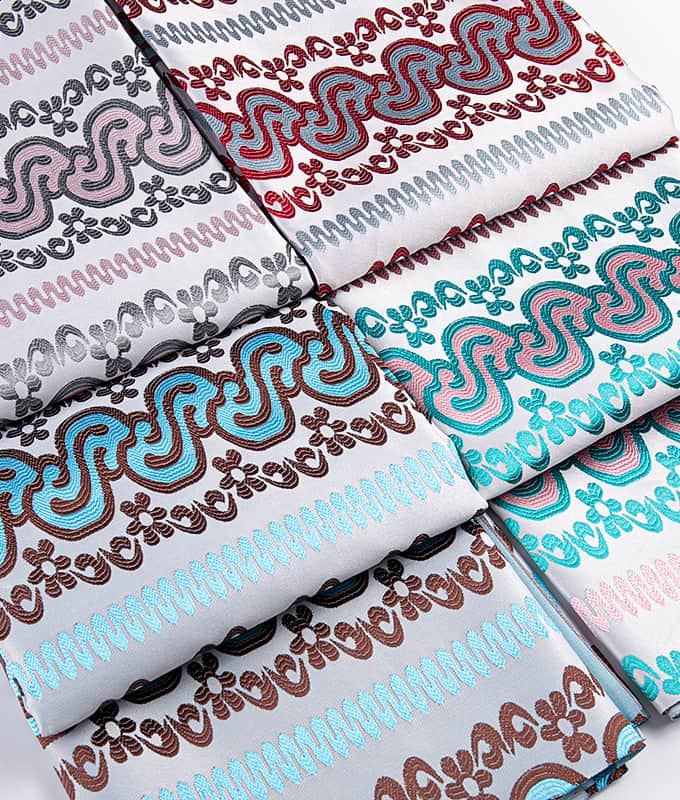
The S-Shaped 3D Textured Polyester Jacquard Fabric for Sarong combines elegance with durability. Crafted with advanced electronic jacquard technology,...
See Details -
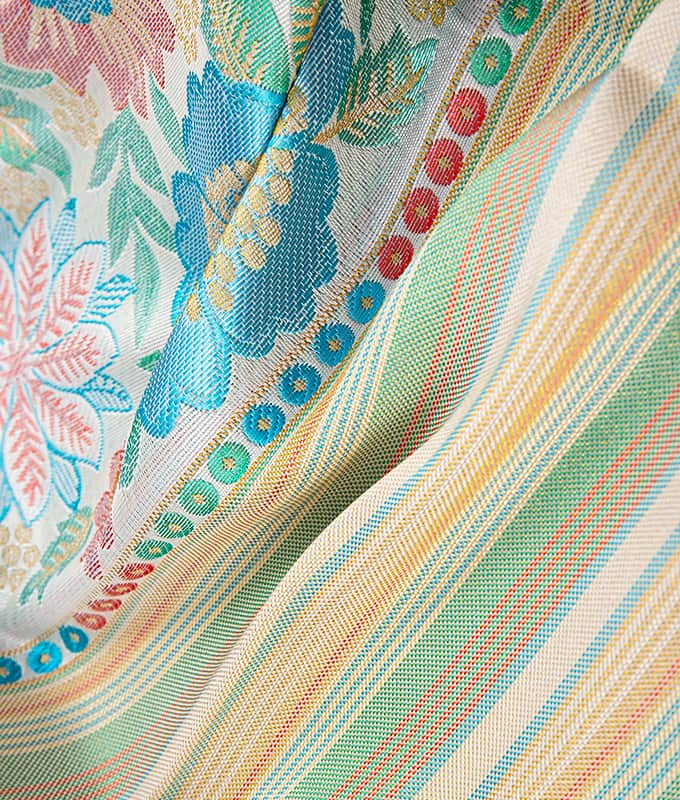
Sunflower Print Poly-Cotton Fabric for Sarong — a vibrant fabric inspired by sunflowers, radiating energy and brightness. Made with soft poly-cotton, ...
See Details -
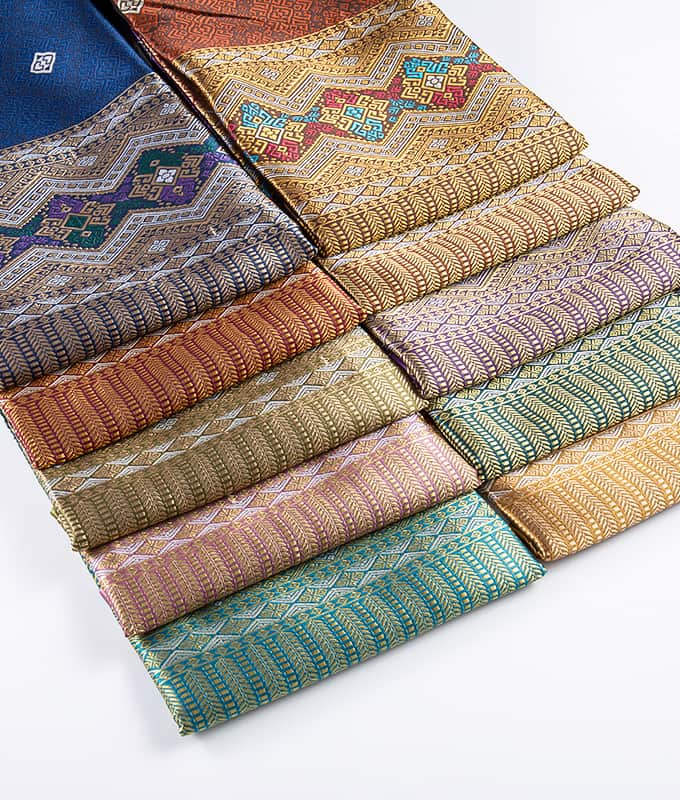
The Polyester Fabric for Traditional Southeast Asian Sarong Skirt bridges heritage and modernity. Rooted in cultural traditions, this fabric revitaliz...
See Details -
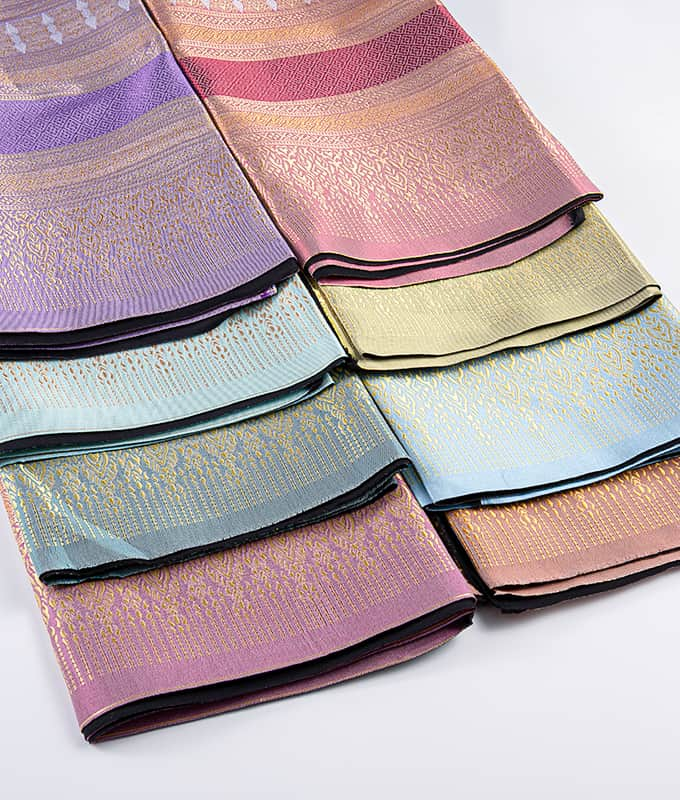
The Polyester Fabric for Popular Traditional Thai Sarong is crafted from carefully selected polyester filaments, with strict quality control from the ...
See Details -
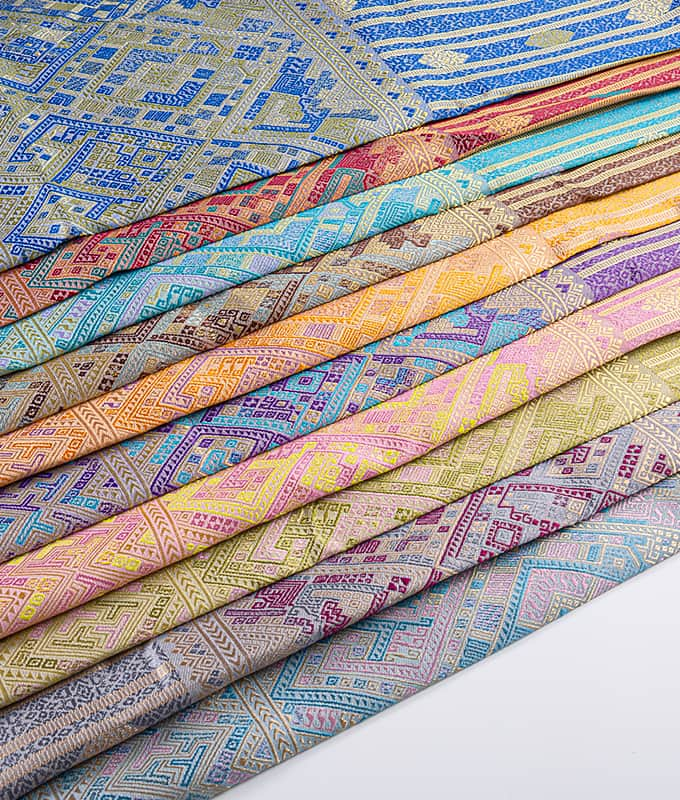
Hollow Polyester Jacquard Fabric for Laotian Traditional Sarong — a perfect fusion of Lao cultural heritage and modern fiber innovation. With symbolic...
See Details